
Planning cyber tabletop exercises is super important if you want your team to actually know what to do when something bad happens. It’s not just about having a plan on paper; it’s about making sure everyone can follow it when the pressure is on. Think of it like a fire drill, but for hackers. We’ll walk through how to set up these exercises so they’re actually useful, not just a waste of time. Getting the tabletop exercise planning cyber right means your organization is better prepared for whatever comes its way.
Key Takeaways
- Figure out exactly what you want to achieve with the exercise and who needs to be there. This means matching your goals to what the company cares about.
- Make the scenarios feel real. Use what you know about actual threats and how hackers try to get in, so your team practices for what might really happen.
- Get your materials ready. Clear instructions, detailed stories, and guides for the person running the show are a must.
- When you run the exercise, keep things moving and make sure everyone speaks up and thinks critically. It’s about learning, not just going through the motions.
- Afterward, write down what you learned. Look at what worked, what didn’t, and how you can make your plans and training better for next time.
Establishing the Foundation for Cyber Tabletop Exercises
Before you even think about running a cyber tabletop exercise, you need to get some basics sorted out. It’s like building a house; you wouldn’t start putting up walls without a solid foundation, right? The same applies here. Getting this part right makes the whole exercise much more useful.
Defining Exercise Objectives and Scope
First off, what are you actually trying to achieve with this exercise? Are you testing how well your team can handle a ransomware attack, or maybe a data breach? You need to be specific. If your objective is too broad, like "improve security," you won’t get much out of it. A clearer objective might be "test the incident response plan’s effectiveness against a simulated ransomware attack targeting customer data." This helps focus everyone’s attention. The scope defines what’s in and what’s out. Are you just looking at the IT team’s response, or does it involve legal, communications, and executive leadership? Defining this upfront prevents confusion later on. Think about what specific skills or processes you want to evaluate. For instance, you might want to see how quickly your team can identify a phishing attempt and what steps they take next. This kind of detail is key for a successful exercise.
- Identify the primary goal: What specific outcome are you aiming for?
- Determine the boundaries: What systems, teams, and scenarios are included?
- Set measurable criteria: How will you know if you’ve met your objectives?
Clearly defined objectives and scope act as the compass for your exercise, ensuring all activities are directed towards a meaningful outcome and preventing scope creep that can derail the entire process.
Identifying Key Participants and Roles
Who needs to be in the room (or virtual room) for this to work? It’s not just about the IT security folks. You’ll likely need representatives from different departments. Think about who would actually be involved if a real incident happened. This could include:
- IT and Security Teams: The ones who will be doing the technical heavy lifting.
- Legal Counsel: To advise on compliance and disclosure.
- Communications/PR: To manage external messaging.
- Executive Leadership: For high-level decision-making and resource allocation.
- Department Heads: To understand business impact and recovery needs.
Each person needs a clear role. Who is the incident commander? Who makes the final call on shutting down a system? Having these roles pre-assigned avoids fumbling around during the exercise. It’s also important to make sure everyone understands their part and the overall purpose of the exercise. This isn’t a test of individuals, but a test of the team’s collective response. A well-structured exercise requires clear roles, much like a red team operation needs defined responsibilities.
Aligning Exercises with Organizational Goals
Why are you doing this exercise in the first place? It shouldn’t be just a box-ticking exercise. Your tabletop drills should connect back to what the organization is trying to achieve. If your company’s main goal is to protect customer data, then your exercises should focus on scenarios that threaten that data. If the business priority is maintaining service availability, then your exercises should simulate attacks that could cause downtime. This alignment makes the exercises relevant and shows leadership why they are important. It helps justify the time and resources spent. When exercises support broader cybersecurity governance, they become a strategic tool, not just a technical drill. Think about the biggest risks your organization faces and how these exercises can help prepare for them. This connection ensures that the effort put into planning and running these exercises directly contributes to the overall security and success of the business.
Developing Realistic Cyber Scenarios
Crafting believable scenarios is key to making your tabletop exercises actually useful. If the situation feels fake or too simple, your team won’t engage, and you won’t learn much. The goal is to mimic what could actually happen to your organization, pushing your team to think critically about their response.
Leveraging Threat Intelligence for Scenario Design
To make scenarios feel real, you need to know what’s actually out there. This means looking at current threat intelligence. What are attackers doing right now? What kinds of attacks are hitting companies like yours? Understanding the cyber threat landscape helps you build scenarios that are relevant and challenging. Think about common attack vectors, like phishing or exploiting software flaws. It’s not just about the technical side, either. Attackers often use social engineering, playing on human trust and urgency. So, your scenarios should reflect this mix of technical and human elements.
Incorporating Evolving Threat Actor Tactics
Attackers don’t stand still, and neither should your scenarios. They’re always coming up with new ways to break in. For example, ransomware isn’t just about encrypting files anymore; it often involves stealing data first, a tactic known as double extortion. You should build this complexity into your exercises. Consider how advanced persistent threats (APTs) operate, or how nation-state actors might target specific industries. The more you can mirror the sophisticated methods used by real threat actors, the better your team will be prepared. This includes thinking about how they might move around your network once they get in, a process often called lateral movement.
Simulating Real-World Attack Vectors
When building your scenarios, focus on how attackers actually get in. Phishing emails are still a huge problem, often leading to credential theft or malware. Another common entry point is exploiting unpatched software or misconfigured systems. Think about scenarios that start with a seemingly minor event, like an employee clicking a bad link, and then escalate. You might also consider attacks that target your supply chain, compromising a trusted vendor to get to you. The most effective scenarios mirror the initial access vectors and subsequent actions that real attackers take.
Here’s a look at some common attack vectors:
- Phishing: Deceptive emails or messages tricking users into revealing information or clicking malicious links.
- Exploiting Vulnerabilities: Taking advantage of known weaknesses in software or systems that haven’t been patched.
- Credential Stuffing: Using stolen usernames and passwords from one breach to try logging into other services.
- Supply Chain Compromise: Attacking a trusted third-party vendor to gain access to their clients.
Realistic scenarios don’t just happen; they are built with careful consideration of current threats, attacker motivations, and the specific vulnerabilities of your organization. They should feel plausible, even if uncomfortable.
Crafting Exercise Materials and Documentation
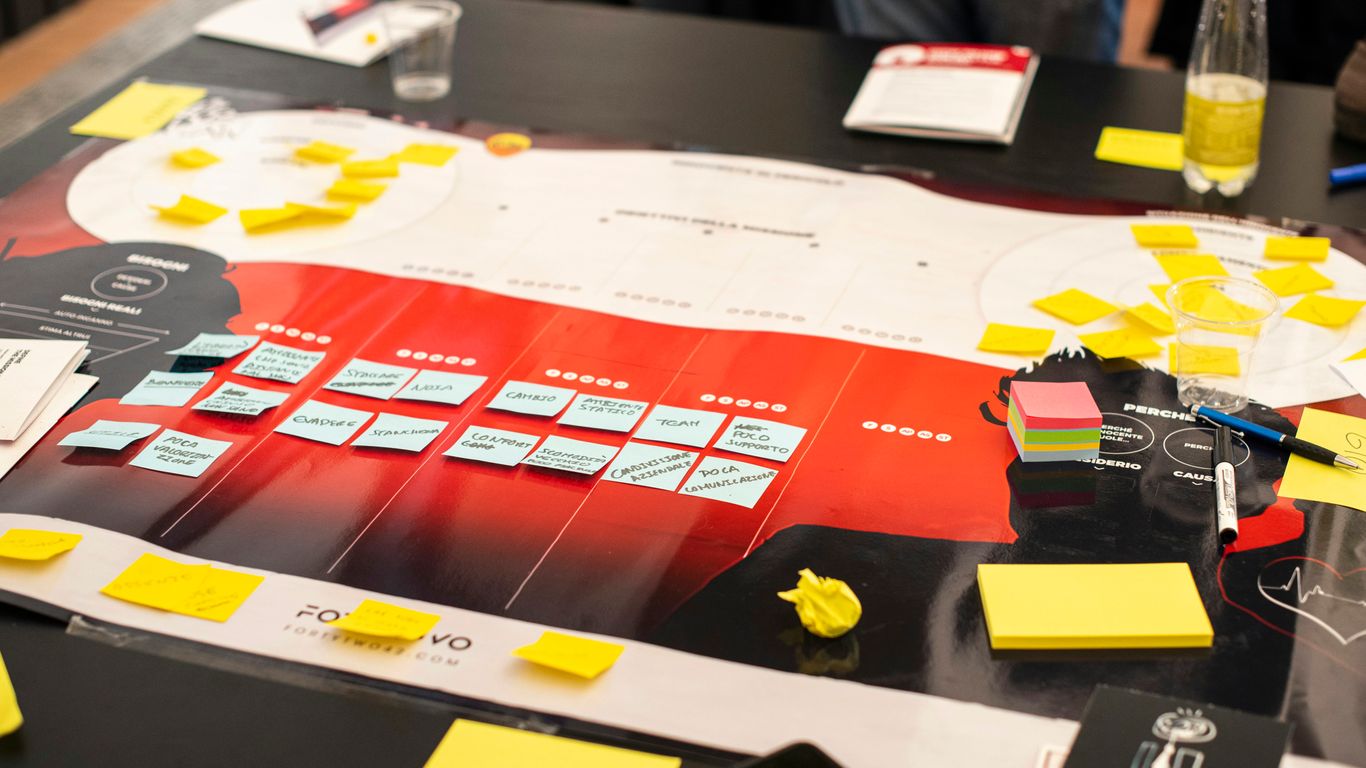
To make your cyber tabletop exercises actually useful, you need good materials. This isn’t just about having a scenario; it’s about creating a whole package that guides everyone involved. Think of it like building a detailed map for a treasure hunt – without it, people get lost.
Creating Detailed Scenario Narratives
This is where the story of your exercise comes to life. A good narrative sets the stage, explains what’s happening, and provides the context for the decisions participants will make. It should be realistic enough to feel plausible but clear enough that everyone understands the situation. Start with a clear trigger event – maybe a suspicious email that looks like a phishing attempt, or a sudden alert about unusual network activity. Then, build out the sequence of events. What happens next? Who reports it? What systems are affected? The goal is to create a believable chain of events that mirrors real-world threats.
Consider including:
- Initial Event: The first indicator of a potential incident.
- Escalation: How the incident grows or impacts different parts of the organization.
- Key Information: Details about affected systems, data types, or potential impact.
- Player Actions: Specific prompts or questions for participants to respond to.
For instance, a scenario might start with a user reporting a suspicious email. The narrative would then detail how the security team investigates, discovers it’s a sophisticated phishing campaign targeting credentials, and then shows how attackers use those credentials to access sensitive data. This kind of detail helps participants visualize the attack and their role in responding. It’s also a good idea to link your scenarios to actual threat intelligence; this makes them more relevant and helps you understand current risks. You can find more on this by looking into threat intelligence programs.
Developing Facilitator Guides and Participant Handbooks
These documents are your tools for running a smooth exercise. The facilitator guide is for the person running the show. It contains the full scenario, discussion prompts, timings, and instructions on how to keep things on track. It should also include answers to common questions or potential participant queries.
Participant handbooks, on the other hand, are for the people actually doing the exercise. They should be concise and focus on what participants need to know to engage. This typically includes:
- A brief overview of the exercise objectives.
- Their assigned roles and responsibilities.
- A summary of the scenario (without giving away all the details if you want them to discover things).
- Instructions on how to participate and provide feedback.
It’s important that these materials are easy to understand. Avoid overly technical jargon where possible, or provide a glossary if necessary. The clearer these documents are, the more effectively participants can engage with the exercise. Think about how you want people to react; for example, if you’re testing your incident response plans, the handbook should clearly state that their task is to follow those plans.
Ensuring Clarity in Exercise Instructions
This might sound obvious, but clear instructions are vital. Ambiguity leads to confusion, and confusion derails the exercise. When writing your scenario narratives and guides, always ask yourself: "Is this clear?" "Could this be misinterpreted?" "What action am I expecting the participant to take here?"
Consider using a simple format for instructions within the scenario. For example:
| Step | Action/Question for Participants | Expected Outcome/Information to Provide |
|---|---|---|
| 1 | You receive an alert from the SIEM indicating unusual outbound traffic from Server X. What is your immediate next step? | Participants should describe their initial investigation steps. |
| 2 | The alert is confirmed as a potential data exfiltration attempt. Who do you need to notify, and what information do you provide? | Participants should identify key stakeholders and the details they would share. |
Clarity in instructions prevents participants from getting stuck on how to respond, allowing them to focus on what the best response is.
This focus on clear, actionable instructions helps ensure that the exercise tests the intended capabilities and that feedback gathered is relevant to the actual response process, not just to understanding the exercise itself. It also helps manage expectations about what is being tested, whether it’s technical response, communication protocols, or decision-making under pressure. Making sure everyone understands their role and the immediate task at hand is key to a productive session. This is especially true when testing things like security awareness training – participants need to know what they are expected to do based on their training.
Facilitating Effective Tabletop Exercise Sessions
Running a tabletop exercise isn’t just about gathering people in a room; it’s about guiding them through a simulated crisis to see how well the plans actually hold up. The facilitator’s job is to keep things moving, make sure everyone’s contributing, and steer the conversation toward useful insights. It’s a delicate balance between letting participants think critically and keeping the exercise on track.
Guiding Discussions and Maintaining Focus
Your main goal here is to keep the conversation productive and relevant to the scenario. Start by clearly stating the current situation in the exercise. Then, ask open-ended questions that encourage participants to think about their roles and responsibilities. For example, "What would be your immediate next step?" or "Who would you need to contact?" It’s important to actively listen to responses and gently redirect if the discussion goes off-topic. Sometimes, a participant might get stuck on a technical detail that isn’t central to the exercise’s objectives. In such cases, acknowledge their point but steer back to the broader response process. The facilitator acts as a neutral guide, not a participant who dictates solutions.
Encouraging Active Participation and Critical Thinking
Not everyone is comfortable speaking up in a group setting. You need to create an environment where all participants feel safe to share their thoughts. Call on individuals directly, but do so in a way that invites input, not interrogation. "Sarah, from your perspective in finance, what information would you need to provide?" can be more effective than a general question to the room. Encourage participants to challenge assumptions and think critically about the presented scenario and their own plans. This is where real learning happens. If someone suggests a course of action, ask "Why?" or "What are the potential risks of that approach?" This pushes them to think deeper than just the surface-level response. It’s also helpful to have a way to track who has spoken and who hasn’t, ensuring a balanced discussion. You might even use a simple checklist during the session.
Managing Time and Exercise Flow
Tabletop exercises have a schedule, and sticking to it is key to covering all the planned material. Break down the exercise into timed segments for each phase of the scenario. Use a timer to keep track and announce when time is nearly up for a particular segment. If a discussion is particularly fruitful but running long, you might need to make a judgment call: either extend the time slightly and adjust later segments, or summarize the key points and move on. It’s also important to manage the flow between different functional areas. For instance, after discussing the technical response, transition smoothly to the communication or legal aspects. A well-structured agenda, shared beforehand, helps everyone understand the expected progression. This structured approach helps in identifying gaps in business continuity planning and other critical areas.
Assessing Response Capabilities and Gaps
After running through a simulated cyber incident, the next logical step is to really look at how your team handled it. This isn’t about pointing fingers; it’s about figuring out what worked and, more importantly, what didn’t. We need to see if the incident response plan actually holds up when put to the test.
Evaluating Incident Response Plan Effectiveness
Your incident response plan (IRP) is supposed to be the roadmap during a crisis. During the exercise, did people follow it? Were the steps clear? Sometimes, plans look great on paper but fall apart in practice because they’re too complicated or don’t account for real-world chaos. We need to check if the plan is practical and if the team can actually use it.
- Clarity of Roles and Responsibilities: Were people sure about what they were supposed to do?
- Actionability of Procedures: Could the team follow the steps outlined in the plan?
- Completeness of the Plan: Did the plan cover the scenario adequately, or were there missing pieces?
The goal here is to identify specific points in the plan that need tweaking. It’s better to find these issues now, in a controlled environment, rather than during a real emergency.
Identifying Gaps in Communication and Coordination
Communication is often the first thing to break down when things get stressful. During the tabletop, pay close attention to how information flowed. Were the right people talking to each other? Was there a clear way to share updates and make decisions? Miscommunication can lead to delays and mistakes, making a bad situation worse. We need to see if teams can work together smoothly, even under pressure. This includes how information is shared both within the response team and with other parts of the organization, like legal or management. Good communication is key to effective incident response.
Assessing Decision-Making Under Pressure
Cyber incidents force tough choices. Did the participants make sound decisions based on the information they had? Were they able to weigh the risks and choose the best course of action? Sometimes, people freeze up, or they make rash decisions. This part of the assessment looks at how well the team can think critically and make good calls when time is short and the stakes are high. It’s about understanding the thought process behind the decisions made during the exercise.
- Timeliness of Decisions: Were decisions made promptly?
- Quality of Decisions: Were the decisions logical and well-supported?
- Adaptability: Could the team adjust their decisions as the scenario evolved?
This assessment helps us understand the human element of incident response. It’s not just about having a plan; it’s about having people who can execute it effectively, even when things get hairy.
Documenting Findings and Lessons Learned

After the exercise wraps up, the real work of making things better begins. It’s not enough to just go through the motions; you need to capture what happened, why it happened, and what can be done differently next time. This is where documenting findings and lessons learned comes in. Think of it as the post-game analysis for your cyber team.
Capturing Key Observations and Insights
During the tabletop exercise, a lot of information gets shared. People discuss potential actions, identify challenges, and sometimes, point out things that just don’t seem right. It’s important to write all of this down. This isn’t just about noting who said what, but understanding the why behind their statements. What were the immediate reactions? What assumptions were made? Were there any moments of confusion or disagreement? Jotting down these observations helps paint a clear picture of how the team navigated the scenario. We want to get a good handle on what worked and what didn’t, so we can build on the successes and fix the problems. This is a good time to look at security assurance testing methods to see how they might apply to your findings.
Analyzing Root Causes of Identified Weaknesses
Once you have a list of observations, the next step is to dig deeper. Why did a particular weakness show up? Was it a lack of training, a missing procedure, or maybe a tool that wasn’t used correctly? For example, if the team struggled with communication, was it because the contact list was outdated, or because no one knew who was supposed to be in charge of relaying information? Getting to the root cause is key. If you only fix the symptom, the problem will likely pop up again. This is where you might find that a process needs a serious overhaul, not just a minor tweak. It’s also important to consider how evidence was handled, as maintaining chain of custody is vital for any real incident.
Prioritizing Recommendations for Improvement
After analyzing the root causes, you’ll have a list of things that need fixing. But not all fixes are created equal. Some might be quick wins, while others require significant time and resources. It’s important to prioritize these recommendations. Think about which changes will have the biggest impact on your security posture and which ones address the most critical risks. A good way to do this is to create a simple table:
| Recommendation | Impact | Effort | Priority |
|---|---|---|---|
| Update contact list | High | Low | High |
| Conduct advanced phishing training | Medium | Medium | Medium |
| Revise incident response plan | High | High | High |
This helps the team focus on what matters most and ensures that the lessons learned from the exercise actually lead to tangible improvements. It’s all about making your cyber defenses stronger, one step at a time.
Integrating Feedback into Continuous Improvement
After a tabletop exercise wraps up, the real work of getting better begins. It’s not just about noting down what went wrong during the simulation; it’s about taking that information and actually making changes. Think of it like getting feedback after a presentation – you don’t just file it away, you use it to improve your next talk.
Updating Incident Response Plans and Playbooks
Your incident response plans and playbooks are living documents. They need to reflect what you learned. If the exercise showed that a particular step was unclear or missing, that’s a clear sign to revise it. We need to make sure these guides are practical and easy to follow when real chaos hits.
- Review specific scenarios from the exercise.
- Identify steps that caused confusion or delays.
- Rewrite unclear instructions or add missing procedures.
- Ensure contact information and escalation paths are current.
Refining Security Policies and Procedures
Sometimes, the issues uncovered aren’t just about process; they might point to broader policy problems. Maybe a policy is too restrictive, making a necessary action impossible during an incident, or perhaps it’s too vague. We need to look at how policies impacted the team’s ability to respond effectively. This is where we can really start to build a stronger defense by making sure our rules make sense in practice. For example, if a policy on data access hindered a critical containment step, it needs a second look. This kind of adjustment helps align security with overall business objectives, treating cyber risks as business problems [c92a].
Developing Targeted Training and Awareness Programs
Exercises often highlight skill gaps or areas where teams lack familiarity with certain tools or procedures. This feedback is gold for tailoring future training. Instead of generic security awareness, we can focus on specific areas that proved weak during the tabletop. This might mean more hands-on practice with specific response tools or deeper dives into understanding threat actor tactics. The goal is to make training directly relevant to the challenges the team is likely to face.
The insights gained from tabletop exercises are invaluable for shaping future training. By pinpointing specific areas of weakness, organizations can move beyond generic awareness campaigns to develop targeted programs that address real-world vulnerabilities and improve overall response readiness. This iterative approach ensures that training remains effective and aligned with the evolving threat landscape.
| Area of Improvement | Original Plan | Revised Plan | Impact |
|---|---|---|---|
| Communication Protocol | Email-based notifications | Multi-channel alerts (SMS, Slack) | Reduced notification delay |
| Data Access During Incident | Standard request process | Expedited access for IR team | Faster containment |
| Playbook Clarity | General steps | Detailed, step-by-step actions | Improved execution speed |
Planning for Future Cyber Tabletop Exercises
So, you’ve run a few tabletop exercises, identified some issues, and hopefully, things are looking a bit better. That’s great! But cyber threats don’t stand still, and neither should your preparedness. The real work starts now, with making sure these exercises become a regular, evolving part of your security program. It’s not a one-and-done deal; it’s about building a continuous improvement cycle.
Establishing a Regular Exercise Cadence
Consistency is key here. You can’t just run an exercise when you feel like it or when something big happens. Think about setting a schedule. Maybe quarterly for high-level scenarios, and perhaps semi-annually for more detailed, role-specific drills. This regular rhythm helps keep your team sharp and ensures that new hires get up to speed quickly. It also makes the process less of a chore and more of a routine check-up for your defenses. A good starting point is to look at industry best practices for exercise frequency.
- Quarterly: Focus on broad incident response and crisis management.
- Semi-annually: Dive into specific threat scenarios or new technologies.
- Annually: Conduct a full-scale simulation involving multiple departments.
Scaling Exercises to Address New Threats
The threat landscape is always changing. What was a major concern last year might be old news now, replaced by something entirely new. Your exercises need to reflect this. Keep an eye on threat intelligence reports and industry news. Are there new types of ransomware making waves? Are attackers suddenly targeting cloud infrastructure more? Make sure your next exercise scenario incorporates these emerging threats. This might mean bringing in new participants or adjusting the scope to cover different systems or data types. It’s about staying ahead of the curve, not just reacting to what’s already happened.
Don’t get stuck in a rut with the same old scenarios. The goal is to prepare for the unknown as much as the known.
Measuring Progress and Maturity Over Time
How do you know if your exercises are actually making a difference? You need to measure it. Track key metrics from each exercise. This could include things like:
- Time to detect simulated threats.
- Speed of containment and eradication.
- Effectiveness of communication channels.
- Clarity of decision-making under pressure.
Comparing these metrics across different exercises will show you where you’re improving and where you still need work. This data is invaluable for justifying continued investment in your exercise program and demonstrating your organization’s growing cyber threat hunting maturity to leadership. It turns subjective feelings of preparedness into objective, measurable progress.
Wrapping Up Your Cyber Tabletop Exercises
So, we’ve gone through the ins and outs of planning these cyber tabletop exercises. It’s not just about running a drill; it’s about making sure your team knows what to do when things go sideways. Think of it like practicing for a fire drill – you hope you never need it, but you’re way better off if you’ve done it before. Regularly testing your response plans, looking at what worked and what didn’t, and then actually making changes based on those findings is what builds real resilience. It’s a continuous cycle, not a one-and-done thing. Keep at it, and your organization will be much better prepared to handle whatever cyber challenges come your way.
Frequently Asked Questions
What is a cyber tabletop exercise?
Think of a cyber tabletop exercise like a practice drill for your computer security team. Instead of actually breaking things, everyone sits around a table (or a virtual meeting) and talks through how they would handle a made-up cyber attack. It’s a way to see if the team knows what to do and if the plans in place would actually work when a real problem happens.
Why are these exercises important?
These exercises are super important because they help find weak spots before a real attacker does. It’s like practicing a fire drill – you want to know where the exits are and who’s in charge before a fire starts. Tabletop exercises help your team get better at working together, making quick decisions, and following the right steps when things go wrong online.
Who should be part of a tabletop exercise?
You need the right people involved! This usually includes folks from IT and security, but also people from legal, communications, and even top bosses. Everyone has a role to play when a cyber attack hits, so it’s good to have them all practice together.
How do you make the scenarios realistic?
To make the practice attacks feel real, we look at what kinds of attacks are happening in the world right now. We think about how bad guys try to get into systems and what they do once they’re in. Using real-life examples makes the practice much more useful.
What happens after the exercise?
After the practice run, we talk about what went well and what didn’t. We write down all the good ideas and the problems we found. This helps us figure out what needs to be fixed or improved in our actual security plans and how we respond to real cyber events.
How often should we do these exercises?
It’s a good idea to do these practice sessions regularly. Maybe once or twice a year, or whenever there are big changes in your company’s technology or new threats appear. The more you practice, the better prepared you’ll be.
What’s the difference between a tabletop exercise and a full simulation?
A tabletop exercise is mostly talking and planning. A full simulation is more hands-on, where teams might actually try to fix systems or block attacks in a controlled environment. Tabletop exercises are usually the first step to test the thinking and planning before moving to more complex drills.
Can these exercises help with things like business disruptions?
Absolutely! Cyber attacks can stop a business from working. These exercises help teams practice not just stopping the attack, but also getting things back up and running quickly. This is a big part of making sure the business can keep going even when bad things happen.