
Setting up good information sharing frameworks cybersecurity is like building a strong fence around your digital house. It’s not just about having locks on the doors; it’s about knowing who’s coming and going, what they’re carrying, and making sure everyone plays by the rules. When organizations share information about threats and vulnerabilities, it’s like all the neighbors telling each other about suspicious activity. This collective awareness makes everyone safer. We’ll look at the basic building blocks, what makes these frameworks work, and how to weave them into your overall security plan.
Key Takeaways
- Having clear rules and responsibilities is super important for any information sharing frameworks cybersecurity. Everyone needs to know their job.
- You can’t just set it and forget it. Regularly checking and updating your security controls, like firewalls and access rules, is key to staying safe.
- Sharing what you know about cyber threats with others really does make everyone stronger. It’s like a neighborhood watch for the digital world.
- Keeping tabs on who you work with, like vendors, and making sure they’re secure is a big part of protecting your own data.
- Technology is always changing, so your information sharing frameworks cybersecurity needs to keep up with new trends and tools to stay effective.
Foundational Elements Of Information Sharing Frameworks Cybersecurity
Building a solid cybersecurity posture starts with understanding the basic building blocks. It’s not just about having the latest tech; it’s about having the right structure and rules in place. Think of it like building a house – you need a strong foundation before you can even think about the fancy fixtures.
Cybersecurity Governance Overview
Cybersecurity governance is basically the system that keeps everything in check. It’s about making sure that security efforts align with what the organization is trying to achieve and that everyone knows who’s responsible for what. Without clear governance, security can become a chaotic mess, with different teams doing their own thing without coordination. This can lead to gaps and weaknesses that attackers can exploit. It sets the direction and provides the oversight needed to manage cyber risks effectively. Good governance bridges the gap between technical security and business goals, making sure that security investments are smart and that the organization is prepared for potential issues. It’s an ongoing process, not a one-time setup, and it needs to adapt as technology and threats change.
Risk Management Foundations
Before you can protect anything, you need to know what you’re protecting and what the dangers are. Risk management is all about figuring out what could go wrong, how likely it is, and what the impact would be if it did. This involves looking at your systems, your data, and your processes to find weaknesses, or vulnerabilities. Then, you consider the threats – the bad actors or events that could exploit those weaknesses. The goal isn’t to eliminate all risk, which is impossible, but to understand it and decide how much risk is acceptable for the business. This helps prioritize where to spend time and money on security controls. It’s a continuous cycle of identifying, analyzing, and treating risks to keep them at a manageable level.
Here’s a look at the core steps:
- Identify Assets: Know what digital things you have that are important.
- Assess Threats & Vulnerabilities: Figure out what could harm those assets and how.
- Analyze Risk: Determine the likelihood and potential impact of a threat exploiting a vulnerability.
- Treat Risk: Decide how to handle the identified risks (e.g., fix it, accept it, transfer it).
Effective risk management requires a clear understanding of both the technical landscape and the business objectives. It’s about making informed decisions that balance security needs with operational realities.
Policy Frameworks
Policies are the rulebooks for cybersecurity. They lay out what people should and shouldn’t do, what standards need to be met, and what the expectations are for protecting information. A good policy framework provides clear guidance and helps create a consistent approach to security across the entire organization. This isn’t just about telling people "don’t click on suspicious links"; it covers everything from how data should be handled to who gets access to what systems. These frameworks often align with recognized standards like NIST or ISO 27001, providing a structured way to build out your security program. They are the backbone of accountability and help ensure that security practices are documented and repeatable. Having well-defined policies is a key step in establishing information security policy frameworks that guide behavior and control access.
Core Components Of Cybersecurity Frameworks
Building a solid cybersecurity program isn’t just about having the latest tech; it’s about having a structured approach. That’s where frameworks come in. They give us a roadmap, a way to organize our efforts and make sure we’re not missing anything important. Think of them as the blueprints for your digital defenses.
Standards and Frameworks
These are the established guides and models that help organizations build and manage their security. They aren’t one-size-fits-all, but they provide a common language and a set of best practices. Using a recognized standard, like NIST or ISO 27001, helps ensure consistency and allows for benchmarking your security posture against industry norms. It’s about having a structured way to manage security risk, which is pretty important these days. We can look at how these frameworks help align security activities with business goals, which is a big step towards making security a business enabler rather than just a cost center. For organizations looking to get a handle on their security, adopting a framework is a good starting point. You can find more on security governance frameworks.
Control Governance
Once you have a framework, you need to make sure the controls it recommends are actually in place and working. Control governance is all about defining, implementing, and maintaining these security measures. It means assigning ownership and making sure someone is accountable for each control. Without this, even the best-designed controls can fall by the wayside. It’s about making sure that the policies and technical safeguards we put in place are effective and consistently applied across the organization.
Audit and Assurance
This is where we check our work. Audits, whether internal or external, evaluate if our security controls are designed correctly and if they’re actually working as intended. They provide an objective assessment of our security posture and help identify areas for improvement. Assurance activities build confidence that our security program is effective and meeting its objectives. It’s a way to validate that our defenses are strong and that we’re meeting any compliance requirements. Regular audits help us stay on track and adapt to new threats.
| Audit Type | Focus |
|---|---|
| Internal Audit | Evaluating control effectiveness internally |
| External Audit | Independent assessment for compliance |
| Penetration Test | Simulating attacks to find weaknesses |
| Vulnerability Scan | Identifying known security flaws |
Integrating Information Sharing Into Cybersecurity Strategy
Making information sharing a real part of your cybersecurity plan isn’t just about having the right tools; it’s about weaving it into the fabric of how your organization operates and thinks about security. It means moving beyond just collecting data to actively using it to get ahead of potential problems. This integration is key to building a more resilient and proactive defense posture.
Security Strategy
Your overall security strategy needs to clearly define how information sharing fits in. This isn’t a separate initiative; it should align with your business goals and risk priorities. Think about what kind of information is most useful to share and receive, and how that sharing will directly support your objectives. It’s about making sure security efforts actually help the business, not just add complexity. A well-defined strategy helps guide investments and capability development.
Threat Intelligence and Information Sharing
This is where the rubber meets the road. Effective threat intelligence programs collect and analyze indicators of compromise. But the real power comes when these insights are distributed through information sharing frameworks. Sharing actionable intelligence across sectors or within your own organization can significantly strengthen defenses. It allows everyone to see potential threats coming and react faster. This collaborative approach means you’re not fighting threats alone. Consider how platforms can help facilitate this exchange of knowledge.
Metrics and Reporting
To know if your information sharing efforts are actually working, you need to measure them. What does success look like? Are you seeing faster detection times? Are incidents being contained more quickly? Metrics help communicate your security posture and the effectiveness of your controls to leadership. This reporting supports oversight and accountability, showing where investments are paying off and where adjustments are needed. Without clear metrics, it’s hard to justify the effort or improve the process.
Here’s a look at how different aspects of information sharing can be measured:
| Area of Measurement | Key Performance Indicators (KPIs) |
|---|---|
| Threat Detection | Mean Time to Detect (MTTD), Number of novel threats identified |
| Incident Response | Mean Time to Respond (MTTR), Containment time, Recovery time |
| Intelligence Utilization | Number of actionable insights derived, Number of proactive actions taken |
| Collaboration Effectiveness | Number of active sharing partners, Quality of shared intelligence |
Effective information sharing requires clear communication channels and a commitment to mutual benefit. It’s about building trust and understanding that collective security is stronger than individual efforts. This collaborative spirit helps organizations adapt to an ever-changing threat landscape.
Integrating these elements helps ensure that your cybersecurity strategy is dynamic and responsive, making the most of shared knowledge to protect your organization. For more on how to structure these efforts, looking into established security strategy frameworks can provide a solid foundation.
Managing Third-Party And Data Risks
When we talk about keeping our digital stuff safe, it’s not just about what happens inside our own walls. We’ve got to look at who else has access to our information, and that’s where third-party risk comes in. Think about all the vendors, contractors, and partners you work with. Each one is a potential entry point if their security isn’t up to par. It’s like having a chain; if one link is weak, the whole thing can break. That’s why having a solid plan for managing these relationships is so important. We need to know who these third parties are, what kind of data they handle, and how secure they really are. This isn’t a one-time check, either; it’s an ongoing process. We have to keep an eye on them to make sure they’re still playing by the security rules.
Third-Party Risk Management
Managing risks from outside your organization is a big deal. It means figuring out which partners are the most critical to your operations and therefore pose the biggest risk if something goes wrong. You can’t treat every vendor the same. Some might handle highly sensitive customer data, while others just provide office supplies. So, you categorize them based on how much risk they represent. This whole process needs to be part of your bigger picture for managing risks across the company. It’s not just an IT problem; it involves people from procurement, legal, and the business units that actually use the third-party service. Before you even sign a contract, you should be doing your homework. That means looking into their financial stability, their reputation, and, of course, their security practices. Do they have certifications? What are their policies like? Once they’re on board, you can’t just forget about them. Regular check-ins and assessments are key to making sure they don’t become the weak spot that leads to a breach. It’s about building trust, but verifying it constantly. A good starting point is to understand the scope of your third-party risk governance.
Data Governance
Data governance is all about having clear rules for how your organization handles information. It’s about knowing what data you have, where it is, who owns it, and how it should be protected. This isn’t just about security; it’s also about making sure you’re using data correctly and legally. Think about classifying your data – marking what’s sensitive, what’s public, and what’s internal. This classification helps you apply the right security controls. For example, you’ll want much stronger protections for customer social security numbers than for your company’s marketing brochures. It also covers how data is collected, used, stored, and eventually deleted. Having these policies in place helps prevent accidental leaks and ensures consistency across the board. It makes sure everyone understands their part in protecting the information the company holds. It’s a foundational piece for any solid cybersecurity strategy.
Privacy Governance
Privacy governance is closely related to data governance but focuses specifically on personal information. It’s about making sure you’re handling people’s data in a way that respects their privacy and complies with all the relevant laws and regulations, like GDPR or CCPA. This means being transparent about what data you collect and why, getting consent when needed, and protecting that data diligently. It also covers how you share personal information, both internally and with external parties. You need to have clear policies and procedures for how personal data is processed, stored, and retained. This isn’t just about avoiding fines; it’s about building trust with your customers and stakeholders. When people know their information is being handled responsibly, they’re more likely to engage with your organization. It’s a critical part of demonstrating that you take data protection seriously, and it often ties directly into your overall cyber risk management approach.
Establishing Roles And Responsibilities
When we talk about information sharing frameworks in cybersecurity, it’s not just about the tech or the policies. A big part of making it work is figuring out who does what. Without clear roles, things can get messy, especially when a security event happens. Everyone needs to know their part to play.
Role and Responsibility Definitions
This is where you map out who is accountable for what. It’s not just the security team; it involves IT, legal, management, and even individual employees. Think about it like a play – everyone has a script and a part to perform. For instance, who is responsible for approving a new information sharing agreement? Who handles the technical setup? Who makes the call on what information can be shared externally?
Here’s a basic breakdown you might see:
- Leadership/Executive Management: Sets the overall security strategy and risk appetite, approves major information sharing initiatives, and ensures resources are allocated.
- Security Team: Develops and implements the information sharing policies, manages the technical controls, monitors for threats, and leads incident response.
- IT Operations: Supports the technical infrastructure for information sharing, manages access controls, and implements security configurations.
- Legal and Compliance: Reviews agreements, ensures compliance with regulations, and advises on data privacy implications.
- Business Units: Understands their data, identifies relevant information for sharing, and adheres to established policies.
It’s important to define these roles clearly to avoid confusion. This helps in making sure that tasks don’t fall through the cracks. A well-defined structure also helps when you need to conduct audits or reviews, showing that there’s a clear line of accountability. This is a key part of good cybersecurity governance.
Training and Awareness Governance
Once you’ve defined the roles, you need to make sure people know how to do their jobs. This is where training and awareness come in. It’s not a one-and-done thing, either. People need ongoing education to keep up with new threats and changes in policies. For example, if a new type of threat intelligence is being shared, the relevant teams need training on how to interpret and use it effectively.
Consider these points for training:
- Role-Specific Training: Tailor training to the specific responsibilities of each role. A developer needs different training than someone in marketing.
- Regular Refreshers: Schedule periodic training sessions to reinforce concepts and cover new developments.
- Phishing Simulations: Use simulations to test awareness and identify areas where more training is needed.
- Reporting Procedures: Ensure everyone knows how and when to report suspicious activity or potential information leaks.
Good training helps reduce the chances of human error, which is often a weak link in security. It also helps build a stronger security culture across the organization.
Documentation and Record Keeping
Finally, you need to document everything. This includes the defined roles and responsibilities, the policies for information sharing, training records, and any agreements made with external parties. Keeping good records is vital for several reasons. It helps with audits, provides a reference point if questions arise, and is essential for incident investigations. If something goes wrong, having clear documentation can make a huge difference in understanding what happened and how to fix it. This is also important for managing things like bug bounty programs, where clear documentation helps manage expectations and processes. Clear documentation supports transparency and accountability.
Keeping records isn’t just about compliance; it’s about building a reliable system. When you have clear documentation, you can trace actions, understand decisions, and learn from past events. This makes your information sharing framework more robust and trustworthy over time.
Key Technical Controls For Information Sharing Frameworks
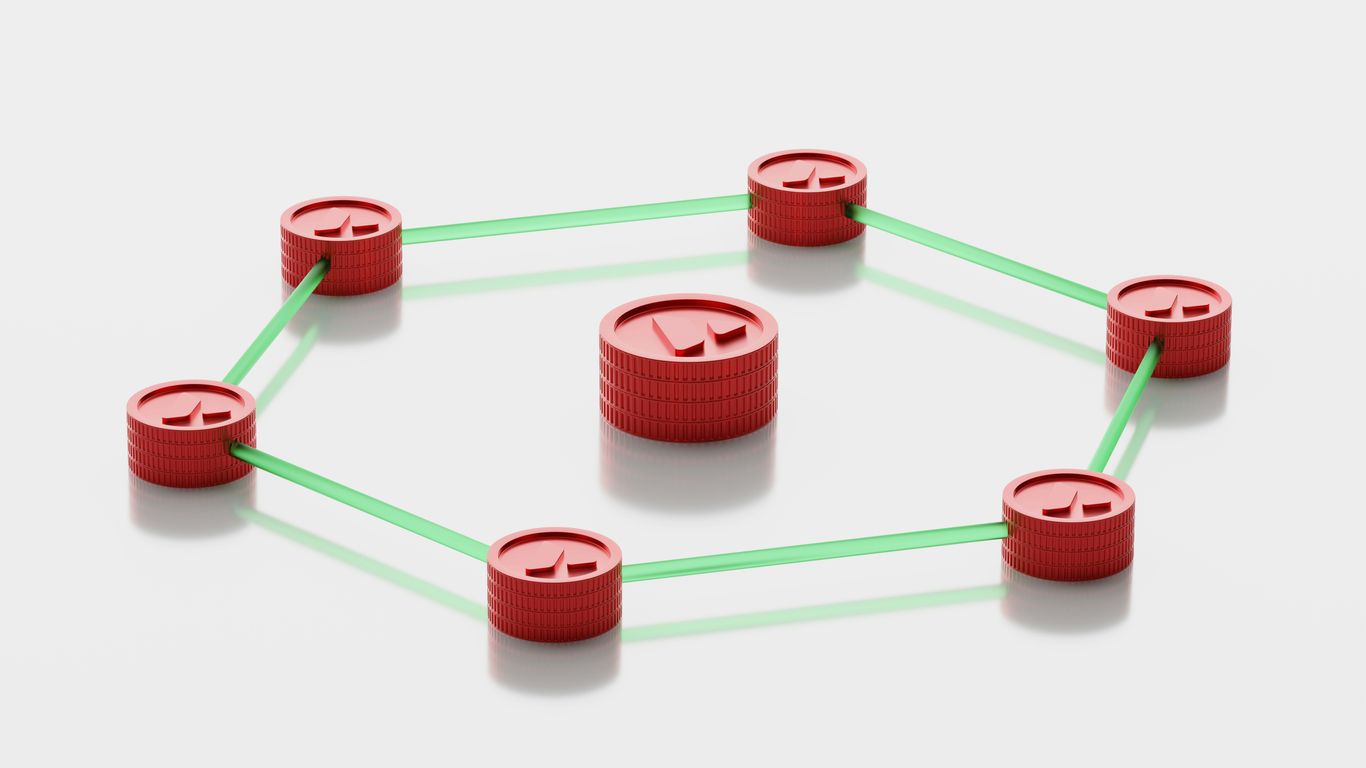
When we talk about keeping information safe, especially when it’s being shared, we can’t just rely on good intentions. We need solid technical stuff in place. Think of these as the locks, alarms, and reinforced doors for your digital world. They’re the practical, built-in defenses that make sharing information more secure.
Firewalls
Firewalls are like the gatekeepers of your network. They stand between your internal systems and the outside world, deciding what traffic gets in and what stays out based on a set of rules. This boundary control is one of the first lines of defense. Modern firewalls do more than just block ports; they can inspect the actual data packets, understand what applications are trying to communicate, and even integrate with threat intelligence feeds to block known bad actors. Properly configured firewalls are key to preventing unauthorized access and limiting the potential spread of malware.
Web Application Firewalls
Web Application Firewalls, or WAFs, are specialized for protecting websites and web applications. They sit in front of your web servers and watch the traffic coming and going. They’re designed to catch common web attacks like SQL injection, where attackers try to mess with your database, or cross-site scripting (XSS), where they try to inject malicious code into your site. WAFs can act as a virtual shield, blocking these attacks before they even reach your application, which is super helpful if you can’t immediately fix the underlying code vulnerability. They are a critical part of securing any online service.
Secure Network Architecture
This is about how you design your network from the ground up to be secure. It’s not just about having a firewall; it’s about building layers of defense. Think about network segmentation, which is like dividing your network into smaller, isolated zones. If one zone gets compromised, the damage is contained and doesn’t easily spread to other parts of the network. This approach, often part of a zero trust security model, means you don’t automatically trust anything inside your network. Every connection, every access request, gets checked. It’s a more robust way to build and manage your digital infrastructure, making it harder for attackers to move around if they do get in. A well-designed network architecture is fundamental to effective cybersecurity.
Here are some key aspects of a secure network architecture:
- Defense in Depth: Implementing multiple layers of security controls so that if one fails, others are still in place.
- Network Segmentation: Dividing the network into smaller, isolated segments to limit the blast radius of a breach.
- Least Privilege Access: Granting users and systems only the minimum permissions necessary to perform their functions.
- Continuous Monitoring: Actively watching network traffic and system logs for suspicious activity.
Building a secure network isn’t a one-time setup; it’s an ongoing process of design, implementation, and vigilant monitoring. It requires careful planning to ensure that security measures support, rather than hinder, legitimate business operations.
Securing Applications And Development Processes
When we talk about keeping our digital stuff safe, we can’t just think about firewalls and passwords. A huge part of cybersecurity is actually built right into the software itself, from the very beginning. This means making sure the applications we use, and the way we build them, are secure from the ground up. It’s like building a house; you wouldn’t just slap on a coat of paint and call it secure, right? You need a solid foundation, strong walls, and good locks.
Secure Software Development Practices
This is all about baking security into the software development lifecycle. Instead of trying to fix security problems after the fact, which is way harder and more expensive, we aim to prevent them from happening in the first place. This involves a few key things:
- Threat Modeling: Before you even write a line of code, you think about what could go wrong. Who might try to attack this? What are they trying to get? This helps you design defenses from the start.
- Secure Coding Standards: Developers follow specific rules and guidelines to avoid common coding mistakes that lead to vulnerabilities. Think of it as a checklist to make sure you’re not leaving any doors unlocked.
- Dependency Management: Applications often use pre-built components or libraries. It’s important to keep track of these and make sure they’re up-to-date and don’t have known security holes. A vulnerability in a small library can affect the whole application.
- Code Reviews: Having other developers look over the code before it’s released can catch mistakes and security flaws that the original coder might have missed. It’s a second pair of eyes.
Integrating security early in the development process, often called ‘shifting left,’ significantly reduces the risk of vulnerabilities making it into production. This proactive approach is far more effective than reactive patching.
Application Security Testing
Even with secure development practices, testing is still super important. We need to actively look for weaknesses in the applications before attackers do. There are a few main ways we do this:
- Static Application Security Testing (SAST): This is like a grammar checker for code. It analyzes the source code without actually running the application to find potential security flaws.
- Dynamic Application Security Testing (DAST): This method tests the application while it’s running. It sends various inputs and probes to see how the application responds, looking for vulnerabilities like SQL injection or cross-site scripting.
- Interactive Application Security Testing (IAST): This combines aspects of SAST and DAST, often using agents within the running application to identify vulnerabilities in real-time during testing.
Regular testing helps catch flaws early, making them easier and cheaper to fix. It’s a continuous process, not a one-time check. You can find more about web application security practices to help guide your testing efforts.
Cloud Security Controls
Many applications today live in the cloud, and that brings its own set of security challenges. Cloud environments are dynamic and shared, so we need specific controls to keep things safe:
- Identity and Access Management (IAM): This is critical in the cloud. It controls who can access what resources. Applying the principle of least privilege – giving users only the access they absolutely need – is key to preventing unauthorized actions. Identity and Access Management is a foundational element here.
- Configuration Management: Cloud services can be complex, and misconfigurations are a leading cause of breaches. Tools and processes are needed to ensure cloud resources are set up securely and stay that way.
- Data Protection: Whether it’s encryption at rest or in transit, protecting the data stored and processed in the cloud is paramount. This includes managing encryption keys securely.
- Monitoring and Logging: Keeping a close eye on cloud activity is vital for detecting suspicious behavior and responding to incidents quickly. This involves collecting and analyzing logs from various cloud services.
Securing applications and their development processes is an ongoing effort. It requires a combination of careful planning, skilled development, thorough testing, and smart use of security controls, especially in cloud environments. It’s not just about technology; it’s about building a security-aware culture throughout the entire software lifecycle.
Enhancing Incident Response And Resilience
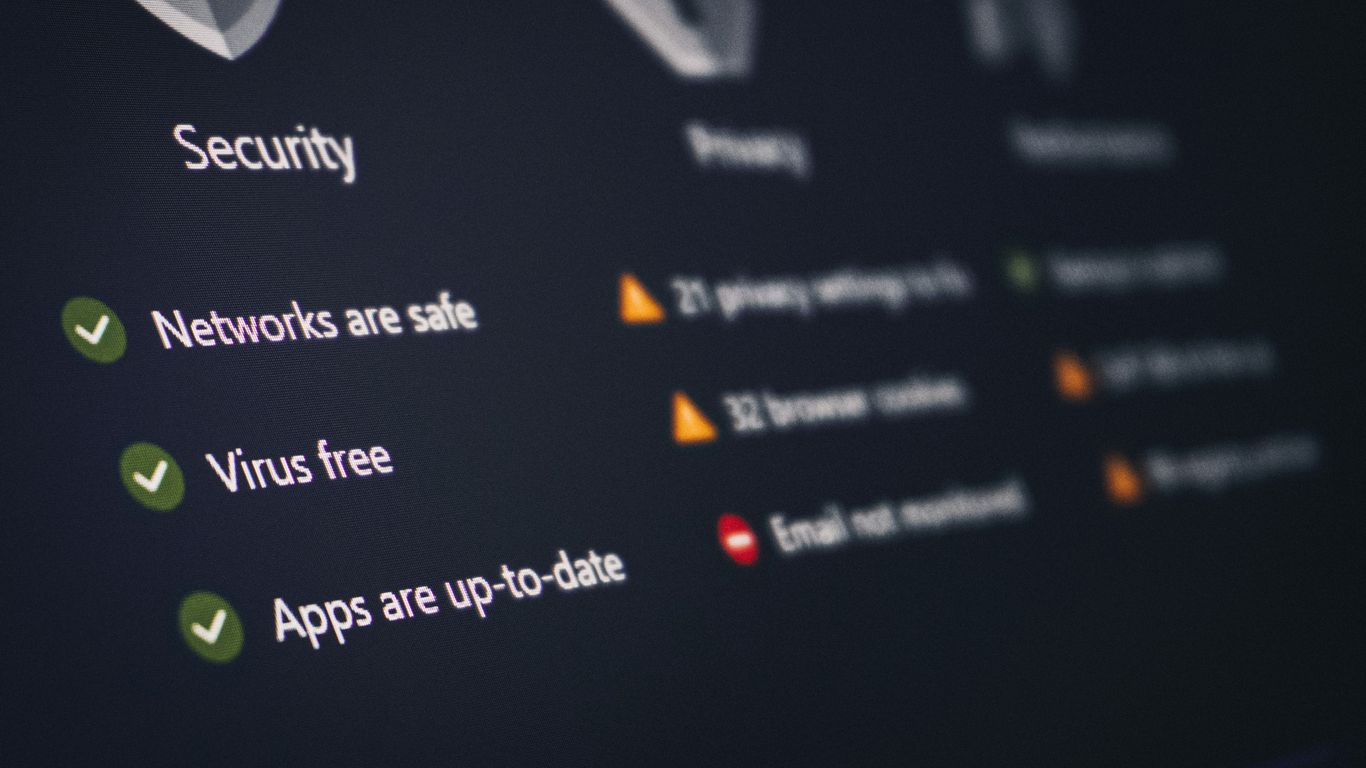
When a security incident happens, it’s not just about fixing the immediate problem. It’s also about making sure your systems can bounce back and be even stronger afterward. This is where incident response and resilience come into play.
Incident Response Governance
Good incident response starts with a solid plan. This means having clear steps for what to do when something goes wrong. Who is in charge? How do people communicate? What decisions can be made, and by whom? Having this structure in place, documented and understood by the team, helps avoid confusion during a stressful event. It’s about setting up the right escalation paths and making sure everyone knows their role. Without this, response can be slow and messy.
Business Continuity and Disaster Recovery
Beyond just fixing the immediate security issue, organizations need to think about keeping the lights on. Business continuity is about making sure critical operations can keep running, even if some systems are down. Disaster recovery, on the other hand, focuses more on getting IT systems back up and running after a major disruption. Both are key to minimizing downtime and getting back to normal operations quickly. Testing these plans regularly is a good idea, just to make sure they actually work when you need them. It’s like practicing a fire drill – you hope you never need it, but you’re glad you did if you do.
Resilience and Adaptation
Resilience goes a step further than just recovery. It’s about learning from incidents and making your systems and processes better so they can handle future attacks. This might mean changing how your network is set up, updating security policies, or even changing the company culture around security. The goal is to not just survive an incident, but to adapt and become stronger because of it. It’s about building defenses that can withstand evolving threats. A key part of this is analyzing what happened after an incident, looking at the root causes, and figuring out how to prevent it from happening again. This continuous improvement cycle is what builds true resilience. For organizations looking to measure their response effectiveness, metrics like Mean Time to Detect (MTTD) and Mean Time to Respond (MTTR) are important indicators of how quickly incidents are identified and resolved [a841].
The ability to recover from a security incident is important, but building systems that can withstand and adapt to future threats is even more so. This means looking beyond immediate fixes to long-term improvements in security posture and operational stability.
Leveraging Threat Intelligence And Collaboration
Sharing what we know about threats is a smart move. It’s like giving everyone a heads-up about a storm coming so they can prepare. When organizations share information about cyber threats, it helps everyone build stronger defenses. This isn’t just about knowing what malware is out there; it’s about understanding how attackers operate and what their next moves might be.
Threat Intelligence Sharing
Threat intelligence involves collecting and analyzing data about potential cyberattacks. This data can include things like suspicious IP addresses, known malware signatures, or patterns of unusual network activity. The real power comes when this intelligence is shared. Instead of each company figuring things out on their own, sharing allows for a collective understanding of the threat landscape. This shared knowledge helps organizations identify and block threats faster. It’s a way to get ahead of attackers, rather than just reacting to them. For example, if one company spots a new phishing campaign, sharing that information quickly can prevent others from falling victim to the same spear phishing attacks.
Shared Knowledge Strengthens Defense
Think of it like a neighborhood watch program, but for cybersecurity. When one house sees something suspicious, they tell the others. This collective awareness makes the whole neighborhood safer. In the digital world, this means that when an organization detects a new attack method or a vulnerability being exploited, sharing that insight allows others to patch their systems or update their security rules before they are targeted. This collaborative approach is particularly effective against sophisticated threats that evolve rapidly. It helps to identify trends and patterns that might be missed by individual organizations.
Information Sharing Platforms
To make this sharing effective, specific platforms and processes are needed. These platforms can range from secure email groups to dedicated threat intelligence sharing communities. The key is that they facilitate the timely and accurate distribution of actionable information. Not all information is useful; it needs to be relevant and specific enough to help security teams make informed decisions.
Here are some key aspects of effective information sharing:
- Timeliness: Information must be shared quickly to be useful against fast-moving threats.
- Accuracy: The data shared needs to be reliable to avoid wasting resources on false alarms.
- Actionability: The intelligence should provide clear steps or insights that security teams can act upon.
- Context: Understanding the source and scope of the threat is important for proper interpretation.
Effective threat intelligence sharing requires trust and clear protocols. Organizations need to feel confident that their shared information will be used responsibly and that they will also benefit from the collective knowledge of the group. This builds a more resilient cybersecurity ecosystem for everyone involved.
Emerging Trends In Cybersecurity Information Sharing
The landscape of cybersecurity is always shifting, and how we share information to combat threats is no different. New technologies and evolving attack methods mean we have to keep adapting how we collaborate and protect ourselves. It’s a constant game of catch-up, but staying ahead requires looking at what’s coming next.
API Security Growth
APIs, or Application Programming Interfaces, are the connective tissue of modern software. They let different applications talk to each other. While super useful, they also create new entry points for attackers. We’re seeing a rise in tools specifically designed to monitor and test API security. It’s becoming clear that securing these interfaces is no longer optional. Think of it like securing the doors and windows of your house; APIs are just another set of access points that need robust protection.
Regulatory Expansion
Governments and industry bodies worldwide are putting more rules in place around data protection and cybersecurity. This means organizations have to deal with a growing web of compliance requirements. What’s considered standard practice in one region might be different elsewhere. This complexity means that cybersecurity governance programs need to be flexible and constantly updated to meet these demands. Staying on top of these changes is a big job, but it’s necessary for avoiding fines and maintaining trust. You can find more on cybersecurity governance and how it’s evolving.
Privacy-Enhancing Technologies
As data privacy becomes a bigger concern, new technologies are emerging to help protect sensitive information. These techniques, like advanced encryption and anonymization methods, allow data to be used and processed while minimizing the risk of exposure. This is especially important for meeting privacy regulations and building user confidence. It’s about finding ways to get the benefits of data without compromising individual privacy.
Here’s a quick look at some key areas:
- Data Minimization: Collecting only what’s absolutely necessary.
- Differential Privacy: Adding noise to data to obscure individual records.
- Homomorphic Encryption: Performing computations on encrypted data without decrypting it first.
The push for stronger privacy controls is reshaping how organizations handle data, making privacy-enhancing technologies a key part of the future information sharing toolkit.
Wrapping Up: Making Information Sharing Work
So, we’ve talked a lot about how important it is to share information when it comes to staying safe online. It’s not just about having the right tools or fancy frameworks, though those help. It really comes down to making sure everyone knows what they’re supposed to do and actually does it. Think about it like a neighborhood watch – if people don’t talk to each other or report suspicious things, the whole system falls apart. Building good habits, like checking in regularly and being clear about who’s responsible for what, makes a huge difference. It’s an ongoing thing, not a one-and-done deal. Keeping up with new threats and making sure our plans still work is key to staying ahead.
Frequently Asked Questions
What exactly is an information sharing framework in cybersecurity?
Think of an information sharing framework like a special club for companies and groups that want to work together to fight cyber bad guys. They create rules and ways to safely share important information, like warnings about new computer viruses or tricks hackers are using. This helps everyone in the club get stronger and protect themselves better.
Why is sharing information so important for keeping things safe online?
Imagine if only one person knew about a dangerous animal in the neighborhood. If they told everyone, all the neighbors could be more careful and keep their pets inside. Sharing information about cyber threats works the same way. When one company learns about a new danger, telling others helps them avoid getting hurt too. It’s like building a bigger shield for everyone.
What are the main building blocks of these information sharing plans?
These plans are built on a few key things. First, there are clear rules and guidelines (like policies) about how to share information safely. Second, there’s a focus on managing risks, meaning figuring out what could go wrong and how to stop it. Lastly, everyone involved needs to agree on who is responsible for what, making sure tasks get done.
How do companies make sure the information they share is actually useful and safe to share?
Good question! Companies use special tools and methods to check the information. They also have rules about what kind of information can be shared and who can see it. It’s like making sure you only share helpful tips and not secret family recipes. They also make sure the information is accurate and comes from a trusted source.
Does sharing information mean companies have to give away all their secrets?
Not at all! Information sharing frameworks are designed to be secure. Companies only share the specific details needed to warn others about a threat, like the type of virus or the way a hacker is trying to break in. They don’t share their private customer lists or secret business plans. It’s all about sharing what’s necessary for defense without giving away the farm.
Who usually participates in these information sharing groups?
These groups often include businesses from the same industry, like banks sharing info about financial scams, or energy companies sharing details about threats to power grids. Government agencies also play a big role, helping to coordinate and share information across different sectors. It’s a team effort!
What happens if someone shares wrong or harmful information by mistake?
That’s why having clear rules and trusted sources is so important. Frameworks usually have ways to check the accuracy of information before it’s widely shared. If something goes wrong, there are usually procedures to correct it and learn from the mistake, just like in any learning process.
Are there any special technologies that help with sharing information safely?
Yes, there are! Think of special computer programs and online platforms that act like secure mailboxes. These tools help encrypt the information so only the right people can read it, and they make sure the information hasn’t been messed with. They help keep the sharing process smooth and secure.