
Reporting cyber risk to executives can feel like trying to explain a complex machine to someone who just wants to know if it’s going to break down. It’s not about the technical details, but the real-world impact on the business. This guide is here to help you bridge that gap, making sure your leadership understands the risks and what needs to be done. We’ll look at how threats are changing, how to measure what matters, and how to talk about it all in a way that makes sense.
Key Takeaways
- Understand how the cyber threat landscape is changing, with a focus on ransomware and AI-driven attacks, so you can explain the evolving risks to executives.
- Build a strong foundation for cyber risk management by integrating it with enterprise risk management principles and clear governance.
- Effectively assess and quantify cyber risks, translating technical vulnerabilities into business impacts that executives can grasp.
- Communicate cyber risks clearly by focusing on business objectives and using relevant metrics, rather than technical jargon.
- Develop strategies for continuous improvement in executive cyber risk reporting by learning from incidents and adapting to new technologies and threats.
Understanding The Executive Cyber Risk Landscape
The world of cyber threats is always changing, and it’s getting more complex. What worked to keep things safe last year might not be enough today. Executives need to grasp this evolving landscape because cyber incidents aren’t just IT problems anymore; they’re business problems with real financial and operational consequences. We’re seeing threats get more sophisticated, often driven by organized groups looking for profit.
Evolving Threat Landscape
The way attackers operate is constantly shifting. They’re not just random individuals anymore; many are part of organized criminal enterprises. These groups use advanced techniques, sometimes combining multiple attack methods to get past defenses. They’re also getting better at hiding their tracks and staying in systems for longer periods before they’re detected. This means our defenses need to be just as adaptable and forward-thinking.
Ransomware Evolution and Impact
Ransomware has become a major headache. It’s not just about encrypting files anymore. Attackers are now stealing data before encrypting it, threatening to release it publicly if the ransom isn’t paid – a tactic known as double extortion. Sometimes, they even go for triple extortion by also targeting the victim’s customers or partners. The impact can be devastating, leading to significant downtime, data loss, and severe reputational damage. The rise of ransomware-as-a-service models has also lowered the barrier to entry, making these attacks more common.
AI-Driven Social Engineering
Artificial intelligence is starting to play a bigger role in cyberattacks, especially in social engineering. AI can be used to create highly personalized phishing emails that are much harder to spot. It can also generate realistic fake audio or video (deepfakes) to impersonate executives or trusted individuals, making it easier to trick employees into revealing sensitive information or transferring funds. This makes training employees to be vigilant even more important. Human vulnerability remains a primary attack vector, and AI is making that vector more potent.
Here’s a look at how these threats can impact different areas:
| Threat Type | Potential Business Impact |
|---|---|
| Ransomware (Double/Triple) | Operational downtime, data breach, reputational damage |
| AI-Powered Phishing | Financial loss, credential compromise, unauthorized access |
| Advanced Persistent Threats | Espionage, intellectual property theft, long-term disruption |
Understanding these trends is the first step toward building a strong defense. It’s about recognizing that the cyber risk landscape is dynamic and requires continuous attention and adaptation. For more on how to integrate cyber risk into your overall strategy, consider looking into enterprise risk management integration.
The sophistication and motivation behind cyber threats are increasing. Attackers are leveraging new technologies and evolving tactics to bypass traditional security measures. This necessitates a proactive and adaptive approach to cybersecurity, moving beyond simple prevention to focus on detection, response, and resilience.
Foundations Of Effective Cyber Risk Management
Before we can talk about reporting cyber risk to executives, we need to make sure the house is in order. This means having solid practices for managing that risk in the first place. It’s not just about buying the latest security tools; it’s about building a structured approach that aligns with the business. Think of it as building a strong foundation before you start adding the fancy decorations.
Risk Management Principles
At its core, risk management is about understanding what could go wrong and what the consequences might be. For cybersecurity, this means identifying potential threats, like malware or phishing attacks, and the vulnerabilities that attackers could exploit. We then look at the potential impact – could it disrupt operations, lead to data loss, or damage our reputation? The goal isn’t to eliminate all risk, which is impossible, but to understand it and make informed decisions about how much risk we’re willing to accept and where we need to apply controls. This process helps us prioritize where to spend our limited resources.
- Identify Risks: What are the potential threats and vulnerabilities?
- Analyze Risks: What is the likelihood and potential impact?
- Evaluate Risks: How does this risk align with our tolerance?
- Treat Risks: What actions will we take (mitigate, transfer, accept, avoid)?
Cybersecurity Governance Overview
Cybersecurity governance is the framework that provides oversight and accountability for security activities. It’s about making sure security efforts are strategically aligned with the company’s overall goals. This involves defining who has the authority to make decisions, setting the organization’s risk tolerance, and directing policy. Good governance ensures that cybersecurity isn’t just an IT problem but is integrated into the broader enterprise risk management (ERM) strategy and everyday business operations. It bridges the gap between technical security and executive decision-making.
Effective governance ensures that cybersecurity initiatives are not only technically sound but also strategically aligned with business objectives, providing clear lines of accountability and decision-making authority.
Enterprise Risk Management Integration
This is where cyber risk management stops being a siloed activity and becomes part of the bigger picture. Integrating cyber risk into the existing Enterprise Risk Management (ERM) framework is key. It means that cyber risks are considered alongside financial, operational, and strategic risks. This integration provides leadership with a more holistic view of the organization’s risk landscape, allows for more consistent prioritization of resources across different risk areas, and ensures a coordinated response when incidents occur. It helps make sure that cyber risk discussions are happening at the executive level, not just in the IT department. This alignment is critical for cybersecurity compliance and demonstrating due diligence.
| Risk Area | Potential Impact |
|---|---|
| Cyber | Data breach, operational downtime, reputational damage |
| Financial | Market volatility, credit rating changes |
| Operational | Supply chain disruption, process failure |
| Strategic | Market shifts, competitive disadvantage |
Assessing And Quantifying Cyber Risk
Figuring out just how risky your company’s cyber situation is can feel like trying to count stars on a cloudy night. It’s not always straightforward, but it’s absolutely necessary. We need to move beyond just knowing we have risks to understanding what those risks actually mean in terms of potential damage and cost.
Risk Assessment Methodologies
There are a few ways to go about this. You can use qualitative methods, which are more about describing risks using categories like ‘high,’ ‘medium,’ or ‘low.’ This is often a good starting point because it’s easier to grasp. Think of it like saying, ‘There’s a high chance of rain today.’ Then there are quantitative methods. These try to put numbers on things, like the potential financial loss from a specific type of attack. This is where we get into the nitty-gritty of dollar amounts and probabilities, which executives often find more concrete. The goal is to get a clear picture of what could happen and how likely it is.
Here’s a basic breakdown:
- Qualitative Assessment: Uses descriptive scales (e.g., Low, Medium, High) for likelihood and impact. It’s good for initial screening and understanding general risk levels.
- Quantitative Assessment: Assigns numerical values to likelihood and impact, often expressed in monetary terms (e.g., Annual Loss Expectancy – ALE). This helps in cost-benefit analysis of security controls.
- Hybrid Approaches: Combine elements of both to get a more rounded view.
Understanding the potential attack surface is a key part of any assessment. This includes everything from your network interfaces and applications to user accounts and any third-party integrations you might have.
Cyber Risk Quantification
This is where we try to put a dollar figure on cyber risk. It’s not an exact science, but it’s getting better. We look at things like the potential cost of downtime, data recovery, regulatory fines, and reputational damage. By modeling different scenarios, we can estimate the probable financial impact. This kind of information is incredibly useful for budgeting security investments and for board-level discussions. It helps answer the question, ‘How much should we spend to prevent this specific problem?’
Consider this simplified example:
| Risk Scenario | Likelihood (Annual) | Average Loss per Incident | Annual Loss Expectancy (ALE) |
|---|---|---|---|
| Ransomware Attack | 1 in 5 years (20%) | $500,000 | $100,000 |
| Data Breach (PII) | 1 in 10 years (10%) | $1,000,000 | $100,000 |
| Business Email Comp. | 1 in 3 years (33%) | $50,000 | $16,500 |
This kind of data helps prioritize where to focus resources. It’s about making informed decisions, not just guessing.
Quantifying cyber risk helps bridge the gap between technical security issues and business outcomes. It allows for more strategic allocation of resources and better communication with leadership about potential financial exposures.
Measuring Security Performance
Assessing risk isn’t a one-time thing; it’s ongoing. We need to measure how well our security measures are actually working. This involves looking at metrics that show our effectiveness. Are we responding to incidents faster? Are we reducing the number of vulnerabilities? Are our training programs actually making a difference in user behavior? Tracking these indicators over time shows progress and highlights areas that still need attention. It’s about continuous improvement, not just a snapshot in time.
Key Areas Of Cyber Risk Exposure
When we talk about cyber risk, it’s easy to get lost in the technical details of firewalls and encryption. But a big chunk of the problem, and often the weakest link, comes down to how people interact with technology and processes. Understanding these human factors is super important for executives to grasp where the real risks lie.
Human Factors In Cybersecurity
People are involved in almost every digital interaction, and that’s where things can go sideways. Think about it: a simple mistake, a moment of distraction, or even just following instructions without thinking can open the door for attackers. It’s not always about malicious intent; often, it’s just plain old human error. This is why focusing on usability in security is so critical – if controls are too complex, people will find ways around them.
- Security Awareness: This is more than just a yearly training session. It’s about making sure everyone understands the current threats, like phishing attempts or suspicious links, and knows what to do (and what not to do). It’s about building a habit of caution.
- Social Engineering Susceptibility: Attackers are really good at playing on our natural tendencies – our desire to be helpful, our fear of missing out, or our respect for authority. They craft messages that feel urgent or important to trick people into giving up information or access. This is a constant battle, and awareness training needs to be ongoing.
- Credential Management Behavior: How people handle passwords and access is a huge risk area. Reusing passwords across different sites, writing them down, or using weak, easily guessable ones makes it much easier for attackers to get in. Even with strong password policies, user behavior can undermine them.
The reality is, technology alone can’t solve all our problems. We need to consider how people use that technology and build systems that account for human nature, not just technical vulnerabilities. Ignoring this aspect is like building a fortress with a door that’s always left unlocked.
Insider Threats And Behavior
This category covers risks coming from within the organization, from people who already have legitimate access. It’s a sensitive topic, but it’s a significant source of breaches.
- Malicious Insiders: These are individuals who intentionally misuse their access to steal data, disrupt operations, or cause harm. Motivations can vary, from financial gain to personal grievances.
- Accidental Insiders: More common than malicious insiders, these are employees who make mistakes that inadvertently expose the organization. This could be misconfiguring a cloud service, accidentally sending sensitive data to the wrong person, or falling for a phishing scam that compromises their account.
- Monitoring and Access Controls: To manage insider risk, organizations need robust monitoring systems to detect unusual activity and strict access controls that follow the principle of least privilege. This means people only have access to what they absolutely need for their job. Managing access is key here.
Third-Party And Vendor Risk
We don’t operate in a vacuum. Our reliance on external partners, vendors, and service providers introduces another layer of risk. If a vendor has weak security, it can become an entry point for attackers to reach your systems.
- Vendor Assessments: Before engaging with a new vendor, it’s important to assess their security posture. This involves asking questions about their policies, controls, and incident response capabilities.
- Contractual Safeguards: Contracts should include clear security requirements and obligations for vendors, including data protection clauses and notification requirements in case of a breach.
- Continuous Monitoring: Vendor risk isn’t a one-time check. Their security can change, so ongoing monitoring and periodic re-assessments are necessary. This is especially true for critical suppliers who handle sensitive data or provide essential services. The impact of credential replay attacks can be amplified if a compromised vendor is involved.
Strategies For Mitigating Cyber Risk
When we talk about dealing with cyber risks, it’s not just about putting up digital walls. It’s about having a plan, and more importantly, making sure that plan actually works. We need to think about how we can reduce the chances of something bad happening and what we’ll do if it does. It’s a multi-layered approach, really.
Risk Treatment Options
So, what do we do when we find a risk? We have a few main ways to handle it. We can try to reduce the risk by putting controls in place, like better software or training. Sometimes, we can shift the risk to someone else, like buying insurance – that’s called transferring the risk. Then there’s accepting the risk, which means we know it’s there but decide the cost of fixing it is more than the potential damage. Finally, we can avoid the risk altogether by not doing the activity that causes it. The key is picking the right option based on how big the risk is and what makes sense for the business.
Here’s a quick look at how we might categorize these options:
- Mitigation: Implementing controls to lower the likelihood or impact of a threat. This is often the most common approach.
- Transfer: Shifting the financial impact of a risk to a third party, such as through cyber insurance.
- Acceptance: Acknowledging a risk and deciding not to take action, usually because the cost of mitigation outweighs the potential loss.
- Avoidance: Eliminating the risk by discontinuing the activity or process that creates it.
Choosing the right risk treatment is a balancing act. It requires understanding the potential consequences and aligning decisions with the organization’s overall tolerance for risk. It’s not a one-size-fits-all situation.
Security Awareness And Training
Let’s be honest, a lot of security problems start with people. Whether it’s clicking on a bad link or using a weak password, human error is a big deal. That’s where training comes in. We need to make sure everyone, from the intern to the CEO, knows what to look out for. This isn’t just a one-time thing, either. Threats change, so our training needs to keep up. Think about phishing attempts – they’re getting smarter all the time. Regular, engaging training helps people recognize these tricks and know what to do, which can significantly reduce the chances of a successful social engineering attack.
Secure Development Practices
If we build software or applications, we need to build them securely from the start. It’s much harder and more expensive to fix security holes after the fact. This means thinking about security at every stage of development, from the initial design to writing the code and testing it. We should be looking for potential weaknesses, using secure coding standards, and making sure our developers know how to write safe code. It’s about baking security in, not trying to bolt it on later. This approach helps reduce the number of vulnerabilities that attackers can exploit, making our systems more robust.
For example, integrating security into the software development lifecycle can look like this:
- Threat Modeling: Identifying potential threats and vulnerabilities early in the design phase.
- Secure Coding Standards: Following established guidelines to write code that avoids common security flaws.
- Vulnerability Testing: Regularly scanning and testing applications for weaknesses before they go live.
- Code Reviews: Having peers review code specifically for security issues.
This proactive stance is key to building resilient systems and applications that can withstand the evolving threat landscape. It’s a core part of a good risk management strategy.
Building Organizational Resilience
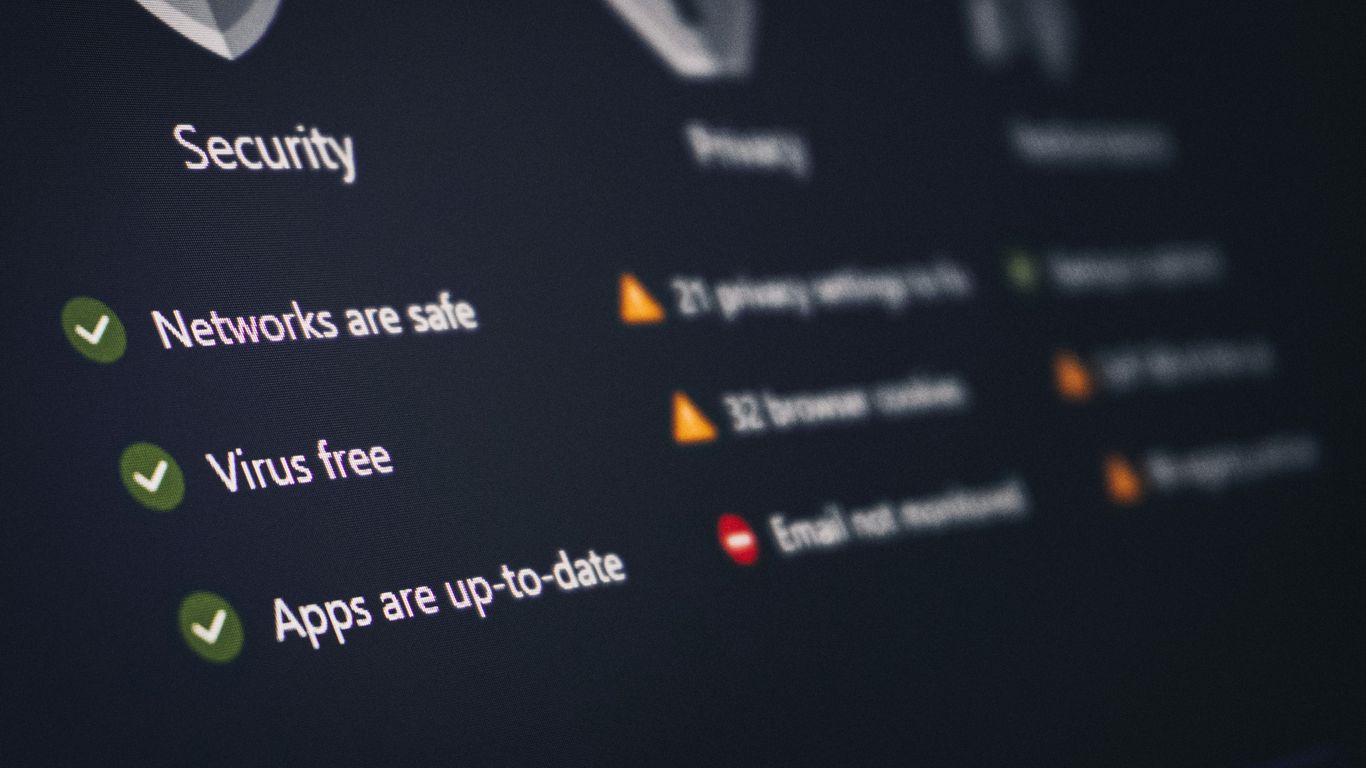
When we talk about building resilience, we’re really talking about how well an organization can bounce back after a cyber incident. It’s not just about preventing attacks, though that’s a big part of it. It’s also about having plans and systems in place so that when something bad does happen, the business can keep running, or at least get back up and running quickly.
Cyber Resilience Focus
Cyber resilience is all about making sure the business can keep going, even when things go wrong. This means thinking ahead about what could happen and having ways to deal with it. It’s like having a good insurance policy, but for your digital operations. We need to plan for the worst, but hope for the best. This involves looking at our incident response plans, making sure our backups are solid, and generally preparing for disruptions.
Business Continuity and Disaster Recovery
These two go hand-in-hand. Business continuity is about keeping the essential parts of the business running during a crisis. Think about how customer service or critical operations can continue, even if some systems are down. Disaster recovery, on the other hand, is more about getting those systems back online after they’ve been affected. It’s a two-pronged approach to minimize downtime and data loss.
- Develop detailed continuity plans: Outline how critical business functions will operate during an incident.
- Implement robust disaster recovery strategies: Focus on restoring IT systems and data efficiently.
- Regularly test plans: Conduct drills and simulations to validate the effectiveness of both continuity and recovery procedures.
- Ensure data backups are isolated and immutable: This is key to recovering from ransomware attacks.
Incident Response Governance
Having a plan is one thing, but knowing who’s in charge and how decisions are made during a cyber crisis is another. Incident response governance sets up clear lines of authority, communication channels, and escalation paths. This structure helps reduce confusion and speeds up the response when every second counts. It means everyone knows their role and who to report to, which is vital when things get chaotic.
Effective incident response governance ensures that during a high-pressure situation, actions are coordinated, decisions are made swiftly, and communication flows appropriately, minimizing panic and maximizing the effectiveness of the recovery efforts. This structured approach is what separates a manageable incident from a catastrophic one.
Key metrics for measuring resilience often include:
| Metric | Description |
|---|---|
| Mean Time to Respond (MTTR) | Average time it takes to detect and begin responding to an incident. |
| Mean Time to Contain (MTTC) | Average time to stop an incident from spreading or causing further damage. |
| Mean Time to Recover (MTTR) | Average time to restore affected systems and data to normal operations. |
| Recovery Point Objective (RPO) | Maximum acceptable amount of data loss measured in time. |
| Recovery Time Objective (RTO) | Maximum acceptable downtime for a business process or system. |
Communicating Cyber Risk To Leadership
Talking about cyber risk with executives can feel like speaking different languages sometimes. They’re focused on the bottom line, growth, and the big picture, while we’re often buried in technical details. The trick is to bridge that gap. It’s about translating complex technical threats into clear business impacts that resonate with their priorities. Think about what keeps them up at night: financial stability, reputation, regulatory fines, and operational continuity. Frame cyber risk in those terms.
Translating Technical Risks Into Business Impact
When a vulnerability is found, it’s not just a "flaw in the code." It’s a potential entry point for attackers that could lead to data theft, service disruption, or financial loss. For example, a successful phishing attack, often exploiting human trust, can lead to compromised credentials. This isn’t just about a stolen password; it’s about the potential for unauthorized access to sensitive customer data, leading to regulatory penalties and a loss of public trust. We need to connect the dots from a technical issue to its real-world business consequences.
- Ransomware: Beyond encrypting files, it means significant downtime, lost revenue, and potential data leaks (double extortion). The business impact is direct operational paralysis and financial strain.
- Data Breach: This isn’t just about losing data. It means regulatory fines (like GDPR or CCPA), legal costs, notification expenses, and long-term damage to customer loyalty and brand reputation.
- Denial-of-Service (DoS) Attacks: These can cripple online services, leading to immediate revenue loss and customer frustration. For e-commerce or service-based businesses, this is a direct hit to their ability to operate.
We must move beyond technical jargon and speak the language of business impact. This means quantifying potential losses, outlining operational disruptions, and highlighting reputational damage. Executives need to understand not just what the risk is, but what it means for the company’s success.
Key Metrics For Executive Reporting
Executives don’t need to know the intricacies of every firewall rule, but they do need high-level indicators of our security posture and risk exposure. Metrics should be clear, concise, and actionable. They should tell a story about our risk landscape and the effectiveness of our defenses.
Here are some metrics that tend to work well:
- Mean Time to Detect (MTTD) and Mean Time to Respond (MTTR): These show how quickly we find and fix security incidents. Shorter times mean less potential damage.
- Percentage of Critical Vulnerabilities Remediated: This tracks our progress in fixing the most serious security flaws before they can be exploited.
- Security Awareness Training Completion Rates and Phishing Simulation Click Rates: These indicate the human element of our defense. High completion and low click rates suggest a more aware workforce.
- Number of High-Impact Incidents: A simple count of major security events provides a direct measure of our success in preventing significant disruptions.
| Metric | Current Quarter | Previous Quarter | Trend |
|---|---|---|---|
| Mean Time to Detect (MTTD) | 12 hours | 18 hours | ↓ |
| Mean Time to Respond (MTTR) | 4 hours | 6 hours | ↓ |
| Critical Vulnerabilities Remediated (%) | 95% | 92% | ↑ |
| Phishing Simulation Click Rate (%) | 3% | 5% | ↓ |
| High-Impact Incidents | 0 | 1 | ↓ |
Aligning Security With Business Objectives
Ultimately, cybersecurity isn’t just an IT problem; it’s a business enabler. When security is aligned with business objectives, it supports innovation, protects revenue streams, and builds customer trust. We need to demonstrate how our security strategy directly contributes to the company’s goals. For instance, if the business objective is to expand into new markets, our security strategy must address the unique risks associated with those regions and ensure compliance with local regulations. If the objective is to launch a new digital product, security must be baked in from the start, not bolted on later. This alignment ensures that security investments are seen not as a cost center, but as a strategic imperative that safeguards and enables business growth.
Governance And Compliance In Reporting
Compliance And Regulatory Requirements
Staying on the right side of regulations is a big part of reporting cyber risk. It’s not just about avoiding fines, though that’s certainly a motivator. Different industries and regions have specific rules about data protection, how quickly you need to report a breach, and what you need to do to keep things running smoothly. Think about GDPR in Europe or CCPA in California – these aren’t just suggestions. They set clear expectations for how organizations handle personal information and what happens when things go wrong. For executives, this means understanding that non-compliance isn’t just a technical issue; it’s a business risk with real financial and reputational consequences. Keeping up with these evolving requirements means having a solid process for tracking them and making sure your security practices align. It’s about demonstrating due diligence, which can be a roadmap for overall security success [f3cc].
Security Policies And Enforcement
Policies are the backbone of any good governance structure. They lay out the rules of the road for cybersecurity – what’s expected, who’s responsible, and what the consequences are for not following them. This isn’t just about writing a document and putting it on a shelf. Effective policies need to be communicated clearly to everyone in the organization, from the intern to the CEO. Enforcement is where the rubber meets the road. Without it, policies are just suggestions. This means having mechanisms in place to monitor adherence, investigate violations, and apply consistent disciplinary actions when necessary. For executive reporting, demonstrating that policies are not only in place but also actively enforced shows a mature approach to managing cyber risk. It signals that the organization takes its security commitments seriously.
Incident Response And Disclosure
When a cyber incident happens, how you respond and what you disclose is heavily influenced by governance and compliance. Having a well-defined incident response plan is key, but it needs to be tied into broader governance structures. This includes clear escalation paths, defined roles and responsibilities, and communication protocols. Who makes the call to shut down a system? Who talks to the regulators? Who informs the customers? These decisions need to be pre-approved and understood to avoid chaos during a crisis. Disclosure requirements are particularly tricky. Laws vary by location, dictating what information must be shared, with whom, and by when. Failure to disclose properly can lead to significant legal and financial penalties, not to mention a loss of trust. Reporting to executives should highlight the preparedness of the incident response function and the organization’s ability to meet its disclosure obligations, thereby mitigating further damage.
Leveraging Threat Intelligence For Reporting
Threat Intelligence and Information Sharing
Understanding what’s happening out there in the cyber world is pretty important for executives. Threat intelligence isn’t just about knowing that malware exists; it’s about understanding who is using it, how they’re using it, and why they’re targeting organizations like yours. When we share this information, especially within our industry, we all get a bit smarter and a bit more prepared. It’s like having a heads-up on potential storms before they hit.
Sharing actionable intelligence can significantly reduce the impact of future attacks.
Understanding Threat Actors
Threat actors are the people or groups behind the attacks. They aren’t all the same. You’ve got cybercriminals looking for money, nation-states doing espionage, or even disgruntled insiders. Knowing their motivations helps us guess what they might do next. For example, a financially motivated group might focus on ransomware, while a state-sponsored actor might be after intellectual property. This insight helps us prioritize defenses.
Here’s a quick look at common actor types:
- Cybercriminals: Motivated by financial gain, often using ransomware or data theft. They’re usually well-organized.
- Nation-States: Driven by espionage, sabotage, or political goals. They tend to be sophisticated and persistent.
- Hacktivists: Motivated by ideology or social causes, often using attacks for disruption or to make a statement.
- Insiders: Individuals within the organization who pose a risk, either intentionally or accidentally.
Understanding the ‘who’ behind the threat helps us anticipate the ‘what’ and ‘how’ of potential attacks, allowing for more targeted and effective defensive strategies.
Malware and Attack Methodologies
Malware is the tool, but the methodology is the plan. Attackers are getting smarter, combining different techniques. They might start with a phishing email (social engineering), then use stolen credentials to move around the network (lateral movement), and finally deploy ransomware. We need to report on these evolving methods. For instance, ransomware isn’t just about encrypting files anymore; attackers often steal data first and threaten to release it if the ransom isn’t paid – that’s double extortion. Knowing these tactics helps us explain the real potential damage to executives, moving beyond just ‘a virus’.
Continuous Improvement In Reporting
Reporting cyber risk isn’t a one-and-done task. It’s more like tending a garden; you have to keep at it for it to stay healthy. Things change, threats evolve, and what worked last year might not cut it today. This means we need to constantly look back at what happened, figure out what we learned, and then adjust how we talk about cyber risk to the folks in charge.
Post-Incident Review and Learning
After any security event, big or small, it’s super important to do a thorough review. This isn’t about pointing fingers; it’s about understanding what went wrong and how we can stop it from happening again. We need to dig into the root causes – was it a technical glitch, a process gap, or maybe a human error? Documenting these findings is key. This documentation helps us track issues and makes sure we don’t forget the lessons learned. It’s about turning every incident into a chance to get better.
- Identify root causes of the incident.
- Document all actions taken during the response.
- Record decisions made and their outcomes.
- Analyze control failures and process gaps.
A structured post-incident review process is vital for identifying areas where security controls, policies, or procedures failed. This analysis directly informs necessary adjustments to prevent recurrence and strengthens overall organizational resilience against future attacks.
Cybersecurity As A Continuous Process
Think of cybersecurity not as a project with an end date, but as an ongoing program. The threat landscape is always shifting, and new technologies pop up all the time, bringing their own set of risks. Our reporting needs to reflect this dynamic environment. We can’t just report on the same risks year after year without checking if they’re still relevant or if new ones have emerged. This means regularly updating risk assessments and making sure our reporting reflects the current state of threats and our defenses. It’s about staying agile and proactive.
Adapting To Emerging Technologies
New tech like AI, cloud computing, and the Internet of Things (IoT) are changing how businesses operate, but they also open up new doors for attackers. When we report on cyber risk, we have to consider how these technologies affect our exposure. For example, AI can be used to make social engineering attacks much more convincing, and misconfigured cloud services are a common entry point for breaches. We need to make sure our reporting includes these newer risks and explains their potential business impact clearly. Staying informed about these trends is key to providing relevant and timely information to executives. We need to be able to explain how these new tools and platforms change the risk picture, and what we’re doing about it. This includes understanding how things like AI-driven social engineering can impact the organization.
| Emerging Technology | Potential New Risks | Reporting Focus |
|---|---|---|
| AI | Sophisticated phishing, deepfakes | Human vulnerability, impersonation |
| Cloud Computing | Misconfigurations, data sprawl | Access control, data residency |
| IoT | Device vulnerabilities, network sprawl | Endpoint security, network segmentation |
Moving Forward
So, we’ve talked a lot about how to get cyber risk information to the people at the top. It’s not just about throwing numbers around; it’s about making sure they understand what those numbers mean for the business. Think about it like this: you wouldn’t tell your doctor about a weird mole without explaining if it’s growing fast or looks concerning, right? Same idea here. We need to connect the dots between technical risks and what could actually hurt the company – like losing money, customers, or our good name. By focusing on clear communication, using metrics that make sense, and showing how these risks tie into the bigger picture, we can help executives make smarter decisions. It’s an ongoing thing, not a one-and-done deal, but getting this right makes everyone safer.
Frequently Asked Questions
What is cyber risk, and why should executives care?
Cyber risk is the chance that something bad will happen to a company’s computer systems or data because of online threats. Executives should care because these risks can lead to losing money, important information, or even stopping the business from working. It’s like a fire hazard for a building – you need to be prepared.
How has the way cyber threats work changed recently?
Cyber threats are getting smarter and more organized. Attackers use things like ransomware, which locks up your files until you pay, and AI to trick people more easily. They’re also getting better at hiding and staying in systems for a long time.
What’s the difference between cybersecurity and cyber resilience?
Cybersecurity is about preventing attacks in the first place, like locking doors and windows. Cyber resilience is about being able to bounce back quickly if an attack does happen, like having a plan to rebuild after a storm. Both are important.
Why is human error such a big problem in cybersecurity?
People make mistakes! Sometimes it’s clicking on a bad link, using a weak password, or accidentally sharing information. Attackers know this and often try to trick people rather than break through strong computer defenses. Training helps, but it’s a constant challenge.
What does ‘risk quantification’ mean for cyber risk?
Risk quantification is like putting a dollar amount on cyber risks. Instead of just saying ‘this is risky,’ it tries to estimate how much money the company could lose if a specific bad thing happens. This helps leaders decide where to spend money on security.
How can we make sure our security efforts are actually helping the business?
You need to connect security goals with what the business wants to achieve. For example, if the business wants to sell more online, security needs to make sure the website is safe and trustworthy for customers. It’s about making security a partner, not a roadblock.
What is ‘threat intelligence,’ and how does it help report cyber risk?
Threat intelligence is like keeping up with the news about what criminals are doing online. It tells you who might attack, how they might attack, and what they might use. This information helps you understand your specific risks better and explain them to leaders.
Why is it important to report cyber risk clearly to executives?
Executives need to understand cyber risk in terms they care about, like money and reputation, not just technical jargon. Clear reporting helps them make smart decisions about protecting the company, allocating resources, and understanding the overall health of the business.