
Managing who has access to what, and when, is a big deal in keeping things secure. It’s not just about passwords; it’s about the whole journey of a digital identity. From the moment someone or something gets access to your systems to when they no longer need it, there’s a lot to keep track of. This whole process, known as identity lifecycle governance, helps make sure only the right people and things have the right permissions, at the right time. It’s a key part of staying safe in today’s digital world.
Key Takeaways
- Keeping track of digital identities from start to finish – from when they’re created to when they’re removed – is vital for security. This is the core idea of identity lifecycle governance.
- Setting clear rules for who can access what, and making sure they only have the minimum access needed, is a must. This helps stop unauthorized access and limits damage if an account is compromised.
- Using tools and processes to manage identities, like multi-factor authentication and regular checks, makes security stronger and helps catch problems early.
- When people join or leave an organization, their access needs to be managed carefully. This means setting up new accounts correctly and removing old ones promptly to avoid security gaps.
- Security isn’t a one-time thing; it needs constant attention. Regularly reviewing who has access and how systems are performing helps improve security over time.
Foundational Principles Of Identity Lifecycle Governance
When we talk about governing identity lifecycles, we’re really getting to the heart of how organizations manage who can access what, and when. It’s not just about passwords; it’s a whole system. Think of it like managing access to a secure building. You need to know who’s supposed to be there, what areas they can go into, and make sure they leave when they’re done. This is where foundational principles come into play, setting the stage for everything else.
Defining Identity Boundaries
First off, we need to figure out what an "identity" even means in our context. This involves setting clear lines around who or what we’re tracking. Are we talking about employees, contractors, customers, or even devices and applications? Each of these has a different role and requires different levels of scrutiny. Establishing these identity boundaries is the very first step in controlling access. Without knowing who your identities are, you can’t possibly manage their lifecycles effectively. It’s about creating a clear picture of the digital actors within your environment. This process is closely tied to identity proofing and verification, which are key for establishing digital trust from the start. Identity proofing and verification helps confirm who someone claims to be, which is pretty important before you give them any keys.
Identity-Centric Security Models
Traditional security often focused on network perimeters – like a castle wall. But today, with cloud computing and remote work, that wall isn’t as solid. So, we’re shifting towards identity-centric security. This means the identity of the user or device is the main control point. Instead of just trusting someone because they’re inside the network, we continuously verify their identity and check what they’re allowed to do. This approach is built on the idea that trust is never assumed. It’s a move away from just protecting the perimeter to protecting the resources themselves, based on who is trying to access them. This model is a core part of modern security strategies.
Least Privilege And Access Minimization
This principle is pretty straightforward: people, devices, and applications should only have the minimum access they need to do their jobs, and nothing more. If an employee only needs access to one specific folder, they shouldn’t have access to the entire company drive. This is called the principle of least privilege. It might sound obvious, but it’s often overlooked. When everyone has broad access, it creates a much larger attack surface. If an account gets compromised, the attacker can move around much more easily. So, we need to be really strict about granting only necessary permissions and regularly review them. This helps limit the potential damage if something goes wrong.
Here’s a quick look at how access levels can be managed:
- Employee Access: Standard access to work-related files and applications.
- Manager Access: Broader access within their team, plus HR-related functions.
- Administrator Access: Highly restricted, elevated privileges for system maintenance.
- Contractor Access: Limited, time-bound access to specific project resources.
Over-permissioning is a common mistake that significantly increases an organization’s risk profile. It’s like giving everyone a master key to the entire building, just in case they might need it someday. This makes it much easier for unauthorized individuals to access sensitive information or systems if their credentials are compromised. Focusing on minimizing access is a proactive way to reduce that exposure.
Establishing Identity And Access Controls
Setting up solid identity and access controls is like building the walls and doors of your digital house. You need to know who’s allowed in, what they can do once they’re inside, and make sure only the right people have the keys to the really important rooms. This isn’t just about passwords; it’s a whole system designed to keep things secure.
Identity And Access Management Frameworks
Identity and Access Management, or IAM, is the backbone of this. It’s the system that handles authentication (proving you are who you say you are) and authorization (determining what you’re allowed to access). Think of it as the digital bouncer and the access list rolled into one. A good IAM framework makes sure that users get the right level of access based on their role or specific needs. This is super important because if someone’s account gets compromised, having a well-defined IAM system limits the damage they can do. It’s all about making sure that the right individuals have appropriate access at the right time. This is central to modern cybersecurity because identity has become the primary security perimeter [2946].
- Key Components of IAM:
- User Provisioning and Deprovisioning: Managing the lifecycle of user accounts.
- Authentication: Verifying user identities (e.g., passwords, biometrics).
- Authorization: Defining and enforcing access rights based on roles or attributes.
- Access Reviews: Regularly checking who has access to what.
Multi-Factor Authentication Implementation
Passwords alone just don’t cut it anymore. Multi-Factor Authentication (MFA) adds extra layers of security by requiring users to provide two or more verification factors to gain access. This could be something you know (like a password), something you have (like a phone with an authenticator app or a hardware token), or something you are (like a fingerprint). Implementing MFA significantly reduces the risk of account takeover, even if credentials get stolen. It’s a foundational control that makes a big difference [e3ab].
- Common MFA Factors:
- Knowledge Factor: Password, PIN.
- Possession Factor: Smartphone app, hardware token, SMS code.
- Inherence Factor: Fingerprint, facial recognition.
MFA is one of the most effective ways to prevent unauthorized access. While attackers are getting smarter, requiring multiple forms of verification makes it much harder for them to get in, even if they manage to steal a password.
Privileged Access Management Strategies
Some accounts have a lot more power than others – think system administrators or super users. Privileged Access Management (PAM) is all about controlling and monitoring these high-risk accounts. It’s not enough to just give someone admin rights; you need to make sure those rights are used appropriately and only when absolutely necessary. PAM systems help enforce the principle of least privilege, meaning users only get the minimum access needed to do their job, and they often include features like session recording and automatic credential rotation. This helps prevent privilege abuse and limits the impact if a privileged account is compromised.
- PAM Best Practices:
- Just-in-Time (JIT) Access: Granting temporary elevated privileges only when needed.
- Least Privilege Enforcement: Minimizing standing privileges for all accounts.
- Session Monitoring and Recording: Keeping an eye on what privileged users are doing.
- Credential Vaulting and Rotation: Securely storing and regularly changing privileged passwords.
Governing The Identity Lifecycle
Managing an identity’s journey through an organization is a core part of security. It’s not just about who gets in, but how their access changes over time and what happens when they leave. This lifecycle management is key to keeping systems secure.
Onboarding Security Training
When someone new joins, they need to understand security from day one. This isn’t just a quick checkbox; it’s about building a security-aware culture. Training should cover basic principles like password hygiene, recognizing phishing attempts, and understanding acceptable use policies. For roles with access to sensitive data, more specialized training is needed. The goal is to make security a natural part of everyone’s job.
- Initial Awareness: Cover core security policies and common threats.
- Role-Specific Training: Detail access controls and data handling relevant to their position.
- Reporting Procedures: Explain how to report suspicious activity or potential incidents.
Offboarding Procedures And Access Revocation
When an employee leaves, their access needs to be removed promptly and completely. This process should be automated as much as possible to avoid human error. A checklist is vital to ensure all access points are covered, from network logins to application permissions and physical access.
A well-defined offboarding process prevents orphaned accounts, which are a significant security risk. These accounts can be exploited long after an individual has departed the organization.
| Role Type | Access Revocation Timeframe | Verification Method |
|---|---|---|
| Standard Employee | Within 24 hours | Automated System |
| Contractor | Within 4 hours | Manual Confirmation |
| Administrator | Immediately | Direct Supervisor |
Continuous Access Reviews
Access isn’t static. People change roles, take on new projects, or their responsibilities shift. Regular reviews of who has access to what are necessary. This helps enforce the principle of least privilege and catches any inappropriate access that may have crept in over time. These reviews should involve managers and system owners to confirm that current access levels are still appropriate for each individual’s role. This is a critical part of maintaining identity and access governance for your organization.
Integrating Identity Governance With Security Operations
Bringing identity governance and security operations together isn’t just a good idea; it’s becoming a necessity. Think of it like this: your security operations center (SOC) is the alarm system and the first responders, while identity governance is the lock on the door and the key management system. If they don’t talk to each other, the whole system falls apart. When identity governance is tightly integrated with security operations, you get a much clearer picture of what’s happening across your digital environment. This means your SOC can spot unusual access patterns much faster. For example, if an account that normally only accesses HR files suddenly tries to log into the finance servers at 3 AM, that’s a big red flag. Without good identity data, the SOC might just see a "login failed" or a "suspicious activity" alert without knowing who or what is trying to access what. This connection allows for more precise threat detection and faster response times.
Here’s how this integration plays out:
- Detection of Abnormal Access Patterns: Security operations teams can use identity data to identify deviations from normal user behavior. This includes things like access from unusual locations, at odd hours, or attempts to access resources outside a user’s typical role. This helps catch compromised accounts or insider threats early.
- Response to Identity Compromise: When an identity is suspected of being compromised, security operations can immediately leverage identity governance tools to revoke access, disable accounts, or enforce stricter authentication measures. This prevents attackers from moving laterally or escalating privileges.
- Incident Response Lifecycle for Identity Breaches: A well-defined incident response plan that includes identity as a core component means you’re not scrambling when an identity-related breach occurs. You know who to contact, what steps to take to contain the damage, and how to restore normal operations while ensuring the compromised identity is secured. This structured approach is vital for minimizing impact and learning from the event.
This kind of integration means your security team isn’t just reacting to alerts; they’re acting on informed intelligence. It moves you closer to an identity-centric security model, where managing who can access what becomes the primary way you protect your assets. It’s about making sure the right people have the right access, and that any deviation from that is flagged and handled quickly. This also aligns with broader cybersecurity governance principles, ensuring accountability and clear processes are in place.
When identity governance and security operations work in tandem, the security team gains a more granular view of potential threats. Instead of generic alerts, they receive context tied to specific user identities and their assigned permissions. This allows for quicker validation of threats and more targeted remediation efforts, reducing the noise and improving the overall effectiveness of the security posture.
Leveraging Frameworks For Identity Governance
When we talk about managing identity lifecycles, it’s easy to get lost in the weeds of specific tools and processes. But having a solid framework to guide you makes a huge difference. Think of it like building a house; you wouldn’t just start hammering nails without a blueprint, right? Frameworks provide that blueprint for identity governance.
Adoption Of Cybersecurity Frameworks
These frameworks offer a structured way to approach security. They aren’t just abstract ideas; they’re practical guides. For instance, frameworks like NIST CSF or ISO 27001 give us a common language and a set of best practices for managing risks. They help us figure out what could go wrong and how to prevent it. It’s about building a consistent approach across the organization, making sure we’re not just guessing when it comes to security. Adopting these standards helps align our security efforts with overall business goals, which is pretty important if you ask me. It also helps when we need to show regulators or auditors that we’re taking things seriously. You can find more on how these frameworks help manage risk at cyber risk management.
Control Governance And Accountability
Once you have a framework, you need to make sure the controls it suggests are actually in place and working. This is where control governance comes in. It’s about defining who is responsible for what. We need to know who owns the access policies, who defines the roles, and who checks that everything is up to date. Without clear accountability, controls can become outdated or ineffective. This means defining roles and responsibilities clearly, making sure the right people have the right access, and regularly checking that this is still the case. It’s a continuous process, not a one-and-done deal. This is especially true when dealing with specific industry needs, where frameworks like HIPAA or PCI DSS come into play, guiding how we implement access controls. You can explore more about specific industry needs and access control at information security policy implementation.
Audit And Assurance Processes
Finally, how do we know if our frameworks and controls are actually working? That’s where audits and assurance come in. Audits, whether internal or external, are like health check-ups for our identity governance program. They look at whether our controls are designed correctly and if they’re actually effective in practice. This provides assurance to leadership and other stakeholders that we’re managing risks appropriately. It also highlights areas where we need to improve. Think of it as a feedback loop: frameworks guide us, governance keeps us accountable, and audits tell us how we’re doing and where to focus next. This whole cycle helps us get better over time.
Here’s a quick look at how these elements tie together:
| Component | Purpose |
|---|---|
| Frameworks | Provide structured guidance and best practices. |
| Control Governance | Defines ownership, implementation, and maintenance of controls. |
| Audit & Assurance | Verifies control effectiveness and compliance. |
Implementing these structured approaches helps ensure that identity governance isn’t just a set of disconnected tasks, but a cohesive and effective program that supports the organization’s security posture and business objectives.
Managing Human Factors In Identity Governance
When we talk about identity governance, it’s easy to get lost in the technical details of systems and controls. But let’s be real, people are often the weakest link, or sometimes, the strongest defense. Understanding how humans interact with security is key to making identity governance actually work.
Security Awareness Training Programs
Think of security awareness training as teaching people the rules of the road for the digital world. It’s not just about clicking through slides once a year. Effective programs need to be ongoing and tailored to different roles. For instance, someone handling sensitive customer data needs different training than a developer. The goal is to make people aware of threats like phishing and social engineering, and to teach them how to protect their credentials. A well-informed user is a significant asset in preventing security incidents.
Here’s a quick look at what good training covers:
- Recognizing Threats: Identifying suspicious emails, links, or requests.
- Credential Protection: Best practices for passwords, multi-factor authentication (MFA), and avoiding credential sharing.
- Data Handling: Understanding how to classify and protect sensitive information.
- Reporting Incidents: Knowing when and how to report suspicious activity.
Addressing Security Fatigue
We’ve all been there. Too many alerts, too many password resets, too many security reminders. This constant barrage can lead to security fatigue, where people start to tune things out or take shortcuts. It’s a real problem because it makes them more susceptible to attacks. We need to design systems and processes that are user-friendly and don’t overwhelm people. This might mean simplifying workflows or providing clearer, more actionable guidance. It’s a balancing act between robust security and user experience.
The constant pressure to be vigilant can lead to burnout, making individuals more prone to errors or susceptible to sophisticated social engineering tactics. Organizations must actively work to mitigate this by streamlining security processes and providing clear, concise, and relevant security information, rather than overwhelming users with excessive alerts and complex procedures.
Role And Responsibility Definitions
Clear definitions of who is responsible for what are absolutely vital. When roles and responsibilities are fuzzy, things fall through the cracks. This applies to everything from who approves access requests to who is accountable for reporting security events. Having well-defined roles helps prevent conflicts of interest and ensures that there’s always someone in charge of specific security functions. It’s about making sure everyone knows their part in the overall identity governance strategy. For example, defining who manages privileged accounts is critical for Identity and Access Management (IAM) systems.
| Role Category | Key Responsibilities |
|---|---|
| End User | Protect credentials, report incidents, follow policies |
| IT Administrator | Manage access, implement controls, monitor systems |
| Security Team | Develop policies, monitor threats, manage incidents |
| Management/Leadership | Set security culture, allocate resources, oversee program |
This structured approach to defining roles helps build a more robust and accountable identity governance program, which is a core part of effective credential lifecycle management.
Data Governance And Privacy In Identity Management
When we talk about managing identities, it’s easy to get caught up in the technical bits – who gets access, when, and how. But we can’t forget about the data itself. This is where data governance and privacy come into play, making sure that the information tied to those identities is handled right. It’s about more than just security; it’s about respecting privacy and following the rules.
Data Classification And Control
First off, you need to know what data you have and how sensitive it is. This means classifying your data. Think of it like sorting mail – you have junk mail, bills, and important documents. Data classification does the same for your information, assigning labels based on sensitivity, regulatory requirements, and business value. Once classified, you can apply appropriate controls. For example, highly sensitive customer data might need stricter access restrictions and encryption compared to internal memos.
- Identify and categorize data assets.
- Define sensitivity levels (e.g., public, internal, confidential, restricted).
- Implement access controls based on classification.
- Establish data handling policies for each category.
This structured approach helps prevent accidental exposure and ensures that sensitive information doesn’t end up in the wrong hands. It’s a foundational step for any robust security program, especially when dealing with user identities and their associated data. You can find more on data classification and control to get started.
Privacy Governance And Compliance
Privacy governance is all about making sure you’re handling personal data lawfully and ethically. This involves understanding regulations like GDPR, CCPA, or HIPAA, depending on where you operate and what kind of data you handle. It’s not just about avoiding fines; it’s about building trust with your users. When you manage identities, you’re often dealing with personal information, so you need clear policies on how that data is collected, processed, stored, and eventually deleted. This ties directly into identity lifecycle management – what happens to a user’s data when they leave the organization?
Effective privacy governance requires a clear understanding of data flows, user consent mechanisms, and data subject rights. It’s an ongoing process that needs to adapt to changing regulations and user expectations.
Encryption And Integrity Systems
Finally, how do you protect the data once you know what it is and how it should be handled? Encryption and integrity systems are key. Encryption scrambles data so it’s unreadable without the right key, protecting it whether it’s stored (at rest) or being sent across networks (in transit). Integrity systems, on the other hand, make sure data hasn’t been tampered with, often using things like checksums or digital signatures. When managing identities, this means protecting credentials, personal details, and any other sensitive information linked to user accounts. Strong encryption and integrity checks are vital for maintaining data confidentiality and trustworthiness, especially in the face of potential breaches. This is a core part of building a Zero Trust Architecture where trust is never assumed.
Third-Party Risk And Identity Management
When we talk about managing risk, it’s easy to focus only on what’s happening inside our own company. But a lot of our digital footprint extends outside, through the vendors and partners we work with. Managing the identity and access of these third parties is just as important as managing our own employees. If a vendor has weak security, it can open the door for attackers right into our systems.
Third-Party Risk Assessment
Before you even start working with a new vendor, you need to figure out how much risk they actually bring. It’s not a one-size-fits-all situation. Some vendors might handle really sensitive data, while others just provide a basic service. You can group them based on how critical they are to your operations or how much access they’ll have. This helps you decide how much scrutiny they need. A good way to start is by looking at their security practices, their history with data breaches, and how they handle their own access controls. It’s about understanding their security posture before they get any access to your environment. This initial check is key to building a strong vendor relationship.
Contractual Security Requirements
Once you’ve assessed a third party’s risk, you need to make sure your contract reflects that. This means clearly stating what security measures they must have in place. Think about things like data protection, incident notification timelines, and audit rights. It’s not just about having a contract; it’s about having one that actively protects your organization. These requirements should be specific and measurable, so there’s no confusion later on. If a vendor can’t agree to these terms, it might be a sign they aren’t the right fit.
Ongoing Vendor Monitoring
Signing a contract is just the beginning. Vendors’ security can change, and so can the threats they face. You need a plan to keep an eye on them over time. This could involve periodic security questionnaires, reviewing audit reports, or even performing your own security assessments if the risk is high enough. It’s about making sure they continue to meet the security standards you agreed upon. This continuous oversight is a core part of effective third-party risk governance. If a vendor’s security posture degrades, you need to know about it quickly so you can take action, whether that’s working with them to fix the issues or cutting ties if necessary.
Metrics And Continuous Improvement In Identity Governance
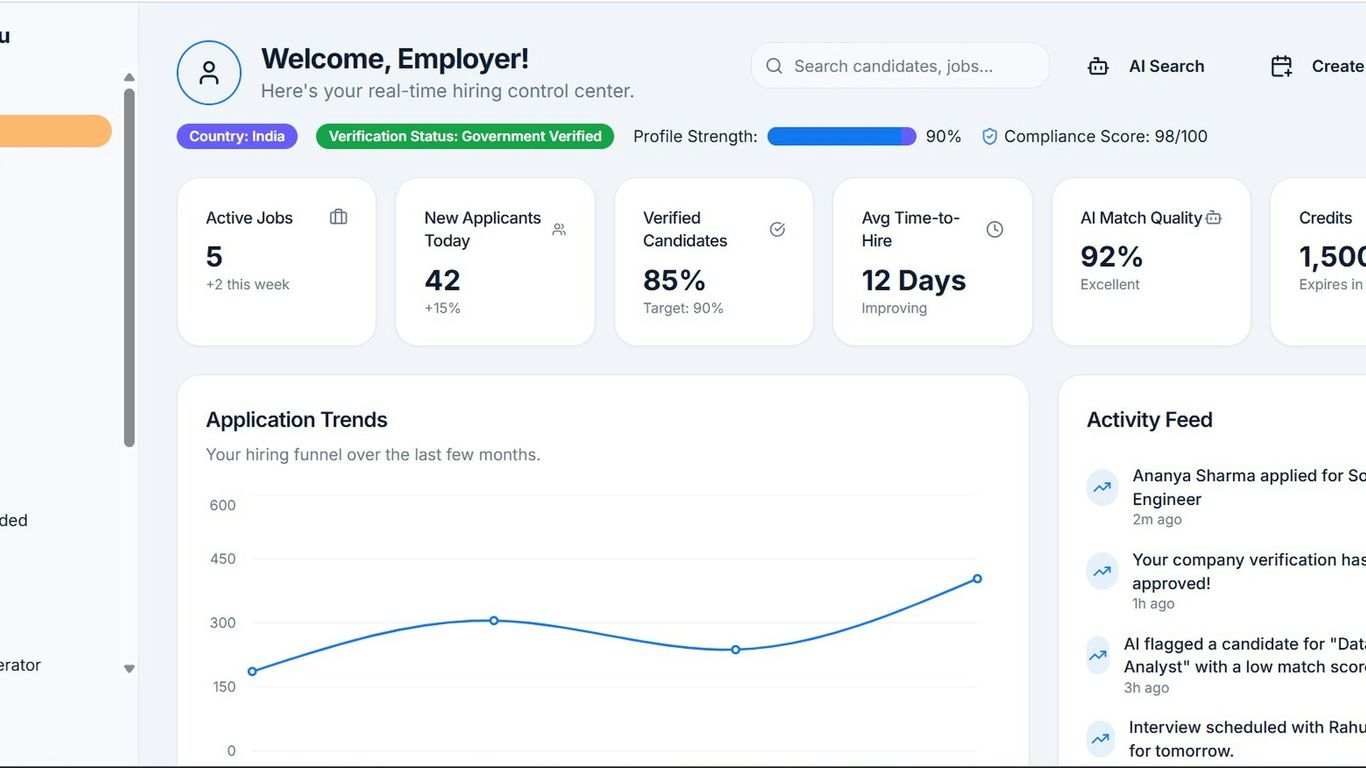
Keeping identity governance effective means we can’t just set it and forget it. It’s a living process, and like anything that lives, it needs to be checked on, measured, and adjusted. We need to know if our controls are actually working and if our processes are keeping up with the bad guys. This is where metrics and a commitment to continuous improvement come into play.
Security Metrics And Monitoring
So, what are we actually measuring? It’s not just about counting how many accounts we have. We’re looking at things that tell us about the health and effectiveness of our identity program. Think about how long it takes to get a new employee set up with the right access, or how quickly we can disable an account when someone leaves. These timing metrics are important. We also track things like how many people are actually using multi-factor authentication (MFA) – a key part of identity and access management. Are we seeing a lot of failed login attempts? Are privileged accounts being accessed appropriately? These are the kinds of questions metrics help us answer.
Here’s a look at some common metrics:
- Onboarding Time: Average time to provision access for new hires.
- Offboarding Time: Average time to revoke access for departing employees.
- MFA Adoption Rate: Percentage of users with MFA enabled.
- Access Review Completion: Percentage of access reviews completed on time.
- Privileged Access Usage: Frequency and duration of privileged account access.
Post-Incident Review And Learning
When something does go wrong, and let’s be honest, it sometimes does, we need to learn from it. A post-incident review isn’t about pointing fingers; it’s about understanding what happened, why it happened, and how we can stop it from happening again. This involves digging into the root cause. Was it a technical flaw? A process gap? Maybe a training issue? Analyzing these events helps us refine our policies, update our tools, and improve our procedures. It’s a critical part of the continuous improvement cycle.
The goal of post-incident analysis is to identify systemic weaknesses and translate those findings into actionable improvements that strengthen our overall security posture. It’s about building resilience through structured learning.
Governance Program Evolution
Our identity governance program shouldn’t be static. The threat landscape changes daily, new technologies emerge, and our business needs evolve. Therefore, the program itself must adapt. This means regularly revisiting our policies, reassessing our controls, and staying informed about emerging threats and best practices. It’s an ongoing effort to ensure our defenses remain relevant and effective. Think of it as a constant cycle of assessment, adjustment, and reinforcement to keep our identity defenses sharp.
| Area of Evolution | Description |
|---|---|
| Policy Updates | Revising access control policies based on new threats or business requirements. |
| Control Enhancements | Implementing new security technologies or strengthening existing controls. |
| Training Refinement | Adapting security awareness training based on incident trends or new attack methods. |
| Risk Assessment | Regularly re-evaluating the organization’s risk profile and adjusting governance accordingly. |
Securing The Identity Attack Surface
In today’s interconnected digital landscape, the concept of a traditional network perimeter has largely dissolved. This shift means that identity has become the new battleground, and consequently, a primary attack surface. Attackers are increasingly targeting user credentials and access privileges as their initial point of entry. Understanding and actively defending this identity-centric attack surface is paramount for any organization.
Credential and Identity Attacks
Attackers are constantly looking for ways to compromise user credentials. This can happen through various means, including phishing campaigns designed to trick users into revealing their login details, brute-force attacks that try numerous password combinations, or exploiting vulnerabilities in authentication systems. Once an attacker obtains valid credentials, they can often bypass many security controls because they appear to be a legitimate user. This is why strong authentication methods, like multi-factor authentication (MFA), are so important. They add extra layers of verification beyond just a password, making it much harder for attackers to succeed even if they steal credentials. We also need to think about how we manage secrets, like API keys and certificates; these need to be stored securely and rotated often. If these secrets get out, it’s like handing attackers the keys to the kingdom.
Lateral Movement Prevention
After gaining initial access through compromised credentials or other means, attackers often try to move deeper into the network. This is known as lateral movement. Their goal is to find more valuable data or systems to exploit. A flat network architecture, where systems are not well-segmented, makes this movement much easier for them. Think of it like a house with no internal doors – once someone gets in the front door, they can roam freely. Implementing network segmentation, including micro-segmentation, creates internal barriers that can stop or slow down an attacker’s progress. This means even if one system is compromised, the damage is contained and doesn’t spread throughout the entire organization. Identity and Access Management (IAM) plays a big role here too, by ensuring users only have access to what they absolutely need for their job, a principle known as least privilege. This limits what an attacker can do even if they compromise an account. Robust IAM is key to this defense.
Supply Chain and Dependency Management
Another significant part of the identity attack surface involves third-party risks and software supply chains. Organizations rely on numerous external software components, libraries, and services. If one of these trusted components is compromised, attackers can use it as a backdoor to reach your systems. This could be through a compromised software update, a vulnerable third-party library used in your applications, or even a managed service provider whose security has been breached. It’s like inviting a guest into your home who then secretly lets in burglars. To combat this, organizations need to have strong processes for vetting vendors, managing software dependencies, and understanding the security posture of their entire supply chain. This includes knowing what software components you’re using and regularly checking for vulnerabilities. Implementing security throughout the software development lifecycle, often referred to as DevSecOps, is also vital for building more secure applications from the start.
The modern attack surface is dynamic and extends beyond traditional network boundaries. It encompasses every point where an attacker could potentially interact with an organization’s digital assets, with identity and access controls forming a critical layer of defense. Proactive identification and mitigation of these vulnerabilities are essential for maintaining a strong security posture.
Wrapping Up Identity Lifecycles
So, managing identities from start to finish isn’t just a one-and-done thing. It’s more like a continuous loop, always needing a bit of tweaking. Think about it – people join, they move around, and eventually, they leave. Each step needs clear rules and checks to make sure the right people have access to the right stuff, and that access gets shut off when it’s no longer needed. Keeping an eye on things, learning from what happens, and adjusting your approach is key. It’s about building a system that’s not just secure today, but can also handle whatever comes next. Getting this right helps keep everything running smoothly and safely.
Frequently Asked Questions
What is identity lifecycle governance?
Identity lifecycle governance is like managing a person’s digital ID from when they join a company to when they leave. It means making sure only the right people have access to the right things at the right time, and that their access is removed when they no longer need it. It’s all about keeping things safe and organized.
Why is ‘least privilege’ important?
The ‘least privilege’ idea means giving people only the access they absolutely need to do their job, and nothing more. Think of it like giving a key that only opens one specific door, not the whole building. This way, if an account gets compromised, the damage an attacker can do is limited.
What’s the difference between authentication and authorization?
Authentication is like showing your ID to prove you are who you say you are. Authorization is like having that ID checked to see which rooms you’re allowed to enter. So, authentication is proving your identity, and authorization is about what you can do once your identity is confirmed.
Why is it important to remove access when someone leaves a company?
When someone leaves, their access to company systems and data needs to be removed right away. If their access stays active, it creates a big security risk. Someone could misuse that access, or an attacker could potentially use that old account to get into the system.
What is MFA and why is it used?
MFA stands for Multi-Factor Authentication. It’s like using more than just a password to log in. You might need a password, plus a code from your phone, or a fingerprint. This makes it much harder for hackers to get into accounts, even if they steal your password.
What does ‘continuous access review’ mean?
Continuous access review means regularly checking who has access to what, even if they’ve had that access for a while. It’s like periodically checking if everyone still needs the keys they were given. This helps catch any old or unnecessary access that could be a security problem.
How does training help with identity governance?
Training helps everyone understand the rules and why they’re important. When people know how to protect their passwords, spot suspicious emails, and report problems, they become a strong part of the security system. It helps prevent mistakes that could lead to security issues.
What is ‘security fatigue’ and how can it be avoided?
Security fatigue happens when people get overwhelmed by too many security alerts or rules, and they start to ignore them. To avoid this, security processes should be made as simple and clear as possible. We need to make sure security helps, rather than hinders, people’s daily work.