
Augmented reality (AR) is changing how we interact with the world, overlaying digital information onto our physical surroundings. While this tech offers amazing possibilities, it also opens doors for new kinds of scams and trickery. These augmented reality deception attacks can be pretty sneaky, playing on our trust and how we perceive what’s real. It’s like a digital magic trick, but with potentially serious consequences.
Key Takeaways
- Augmented reality deception attacks blend digital illusions with the real world, making it hard to tell what’s genuine and what’s fake.
- Attackers can manipulate what you see and hear in AR, use fake information, and trick you into giving up personal details.
- Deepfake technology and AI are making these AR attacks more convincing, blurring the lines between reality and digital fabrication.
- Protecting yourself involves being aware of these threats, using strong security measures, and verifying information carefully.
- As AR becomes more common, understanding and defending against these deceptive attacks is vital for keeping our digital and physical lives secure.
Understanding Augmented Reality Deception Attacks
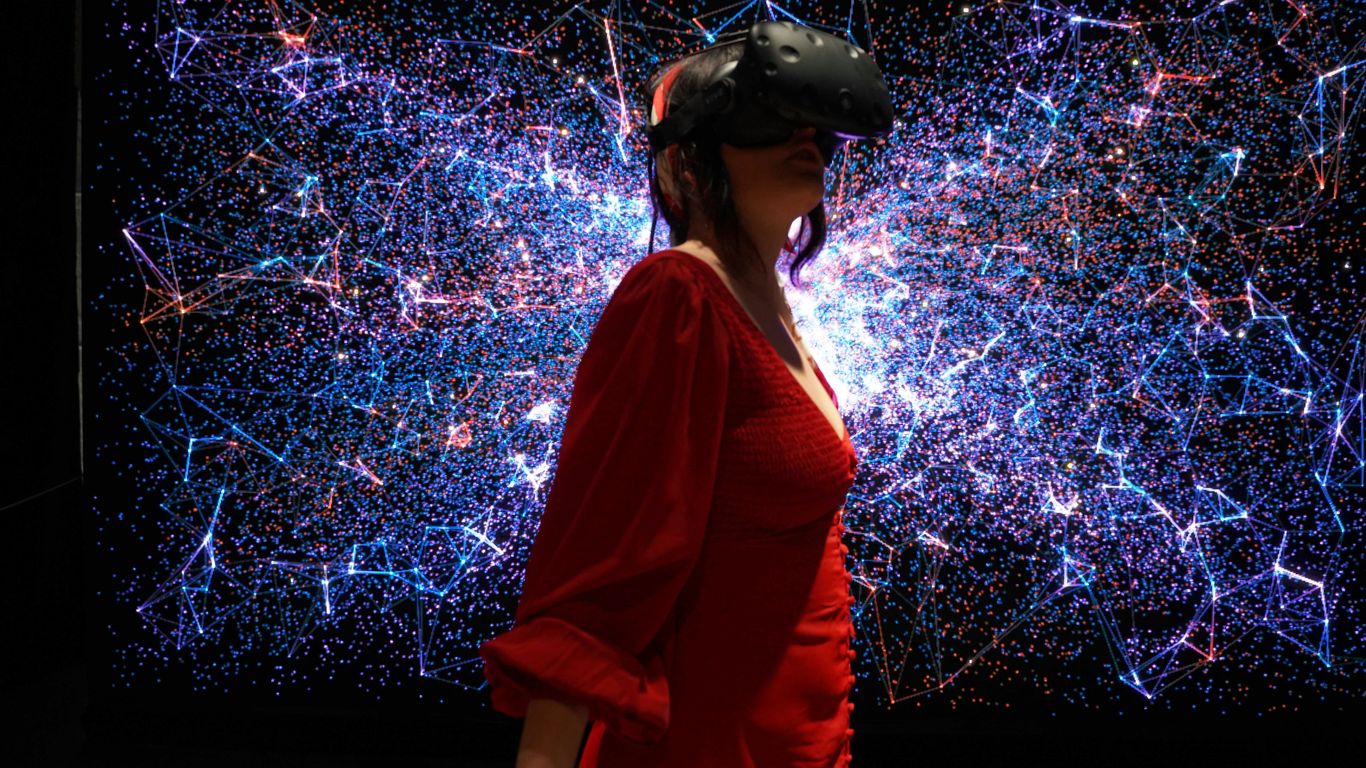
Augmented Reality (AR) is changing how we interact with the world, blending digital information with our physical surroundings. While this offers amazing possibilities, it also opens doors for new kinds of trickery. Deception attacks in AR aren’t just about fooling computers; they’re designed to fool us, the humans using the technology. These attacks exploit how we perceive reality and make decisions, often using AR to make fake information seem real.
The Evolving Landscape of Deception Attacks
The world of deception is always changing, and AR is the latest frontier. Attackers are getting smarter, moving beyond simple scams to more complex schemes. They’re using new tools and techniques to make their tricks harder to spot. It’s a constant game of cat and mouse, with defenders trying to keep up with the latest threats.
- Visual Spoofing: Making fake images or objects appear in the AR view.
- Audio Manipulation: Altering sounds to mislead users.
- Contextual Misdirection: Changing the perceived meaning of real-world elements.
- Social Engineering: Using AR to build trust or create urgency for malicious purposes.
Exploiting Human Psychology in Digital Environments
At their core, many deception attacks target our natural human tendencies. Things like our tendency to trust what we see, our desire to be helpful, or our fear of missing out can all be used against us. Attackers know that if they can make a fake AR experience feel real enough, or create a sense of urgency, people are more likely to fall for it. This is especially true when the digital overlay is integrated into our daily lives, making it harder to distinguish what’s real from what’s not. Understanding these psychological triggers is key to recognizing and defending against these attacks. For instance, virtual avatar impersonation fraud leverages our trust in familiar faces or voices, making it a potent form of deception.
The Intersection of AI and Deception Tactics
Artificial intelligence (AI) is a game-changer for deception attacks. AI can create incredibly realistic fake content, like deepfakes, and automate the process of targeting individuals. This means attacks can be more personalized, more convincing, and launched at a much larger scale than ever before. AI can analyze user behavior to find the best way to trick someone, or even adapt its tactics in real-time if it detects suspicion. This combination of AI and AR creates a powerful new toolkit for those looking to deceive.
The effectiveness of AR deception attacks often hinges on the attacker’s ability to seamlessly blend the fabricated digital elements with the user’s existing perception of reality. When this blend is convincing, it bypasses our usual critical thinking and makes us more susceptible to manipulation.
Common Deception Attack Vectors in AR
Augmented Reality (AR) systems, by their very nature, blend digital information with the physical world. This creates unique opportunities for attackers to deceive users. These aren’t just about tricking your eyes; they can manipulate your understanding of your surroundings, leading to real-world consequences. Think of it like a digital overlay that’s been tampered with, showing you something that isn’t quite right.
Visual Spoofing and Manipulation
This is probably the most intuitive type of AR deception. Attackers can alter what you see through AR devices. This could mean making a virtual object appear where it shouldn’t, or worse, making a real object seem to disappear or change its properties. Imagine walking down a street and seeing a virtual sign that directs you into a dangerous area, or an AR app that makes a structural weakness in a building look like solid ground. The goal is to make the digital overlay actively mislead your perception of physical reality. This can range from simple graphical glitches to highly sophisticated alterations that are hard to spot. It’s like a digital prank gone wrong, but with potentially serious outcomes.
Audio and Sensory Deception
AR isn’t just visual. Many AR systems incorporate audio cues, haptic feedback, or even olfactory elements. Attackers can manipulate these too. Imagine hearing a warning siren that isn’t real, or receiving a haptic buzz that suggests a safe path where there isn’t one. This type of attack plays on our reliance on multiple senses to confirm our environment. If the audio tells you one thing and your eyes (even with AR) tell you another, it can cause confusion and hesitation, which is exactly what an attacker wants. It’s about creating a sensory mismatch to throw you off balance.
Contextual Misdirection and Social Engineering
This is where AR deception gets really clever. Instead of just altering what you see or hear, attackers manipulate the context of the information presented. For example, an AR app might overlay information about a real-world object, but the information itself is false or misleading. Think of an AR app that identifies a product in a store, but provides fake reviews or incorrect pricing. This often ties into social engineering, where the AR experience is designed to build trust or create a sense of urgency. A malicious QR code, for instance, might appear on a legitimate-looking AR overlay, directing you to a phishing site. Deceptive AR overlays can make these attacks feel more legitimate because they’re presented within a seemingly trusted digital interface. It’s about using the AR interface to make a lie seem more believable.
Deepfake Technology and Augmented Reality
Deepfake technology, which uses artificial intelligence to create realistic but fabricated audio and video content, presents a significant new challenge for augmented reality (AR) systems. Imagine putting on an AR headset and seeing a trusted colleague or a company executive deliver instructions that are entirely fake. This isn’t science fiction anymore; it’s a growing concern.
Impersonation Through Synthetic Media
Deepfakes can be used to create highly convincing impersonations. By manipulating video and audio, attackers can make it appear as though someone said or did something they never did. In an AR context, this could mean overlaying a fake persona onto a real-world interaction or creating entirely synthetic AR experiences that mimic reality. This is particularly concerning for business communications where trust is paramount. The ability to generate synthetic media that is hard to distinguish from reality means that visual and auditory cues in AR could become unreliable. For instance, a deepfake could be used to impersonate a CEO in a virtual meeting, instructing an employee to transfer funds or reveal sensitive information. This type of attack exploits our natural tendency to trust what we see and hear.
The Impact of Deepfakes on Trust
The proliferation of deepfakes directly erodes trust in digital interactions, and AR is no exception. When users can no longer be certain if the visual or auditory information presented through an AR system is genuine, the utility and safety of the technology are compromised. This uncertainty can lead to a reluctance to adopt AR for critical tasks, especially in professional settings. The challenge is that deepfake generation tools are becoming more accessible and sophisticated, making it harder for both humans and automated systems to detect them. This creates a significant hurdle for building secure and reliable AR applications. We need better ways to verify the authenticity of AR content before it’s presented to the user.
Mitigation Strategies for Deepfake Threats
Combating deepfake threats in AR requires a multi-layered approach. One key strategy involves developing robust detection mechanisms that can identify synthetic media. This can include analyzing subtle inconsistencies in video or audio that are characteristic of AI generation. Another important aspect is user education; training individuals to be skeptical of unexpected or unusual AR content and to follow verification procedures is vital. For example, if an AR system presents a message from a superior asking for sensitive data, the user should be trained to independently verify this request through a separate, trusted channel. Furthermore, implementing digital watermarking or blockchain-based verification for AR content could help establish its authenticity. The goal is to make it difficult for attackers to successfully deploy deepfakes and easy for users to identify them when they appear. Advanced AI models are already being developed to combat these threats, but it’s an ongoing arms race.
Phishing and Credential Harvesting in AR
Augmented reality (AR) opens up new avenues for old tricks, and phishing is a prime example. Attackers are finding ways to trick you into giving up your login details or other sensitive information, right in the middle of what seems like a normal AR experience. It’s a bit like getting a fake bill in the mail, but now it can appear right in front of your eyes.
Malicious QR Codes and Links
One common method involves QR codes. You might see one overlaid on a real-world object through your AR glasses, or perhaps in a digital ad that pops up in your AR view. Scanning these codes could lead you to a fake login page designed to look exactly like a legitimate one, tricking you into entering your username and password. This is a classic example of how attackers exploit trust, making it harder to tell what’s real and what’s not. It’s not just QR codes, either; malicious links can be embedded in AR notifications or virtual objects, leading you down a similar path. These attacks often use spoofed domains to make the fake sites look more convincing.
Overlaying Deceptive Information
Imagine you’re looking at a product in a store through your AR device, and an overlay appears claiming there’s a massive, limited-time discount if you log in to a specific site. This is contextual misdirection. The AR layer is used to add a sense of urgency or legitimacy to a fraudulent offer. The goal is to get you to act quickly without thinking too hard. This can also extend to fake notifications that look like they’re from your bank or a service you use, prompting you to "verify" your account details by entering them on a fake portal. It’s a sophisticated form of social engineering that plays on our desire for deals or our fear of account issues.
Harvesting User Data Through AR Interactions
Beyond just login credentials, attackers can aim to harvest other user data. This might involve tricking you into granting permissions to an AR application that then secretly collects your location, contacts, or even biometric data. Sometimes, the interaction itself is the vector. For instance, an AR game might present a scenario where you need to "input" personal details to progress, which are then sent directly to the attacker. The key here is that the AR interface can make these requests feel more natural or less suspicious than a standard pop-up form. This is why understanding how phishing works is so important, even in these new digital spaces.
Supply Chain and Software Vulnerabilities
Augmented reality systems, like any complex software, rely on a chain of components and updates. This is where supply chain and software vulnerabilities come into play, creating openings for attackers.
Compromised AR Applications and Updates
Think about it: the AR app you download might seem fine, but what if the developer’s build system was compromised? Attackers can inject malicious code into legitimate applications or, more commonly, into update packages. When your AR device automatically downloads and installs this "update," it’s actually installing malware. This could lead to anything from data theft to your AR system being used in a botnet. It’s a sneaky way to get past your defenses because the software comes from a source you already trust. This trust is the weak link.
Exploiting Dependencies in AR Development
Modern software isn’t built from scratch. Developers use libraries, frameworks, and other third-party code to speed things up. This is called managing dependencies. If one of these dependencies has a vulnerability, or if an attacker manages to publish a malicious package with the same name as an internal dependency (a technique known as dependency confusion), your AR application could be compromised before it even ships. This means the vulnerability isn’t in the code you wrote, but in something you pulled in from elsewhere. It’s like building a house with faulty bricks – the whole structure is at risk.
Firmware and Hardware Level Deception
Sometimes, the threat isn’t just in the software. Attackers might target the firmware that runs on the AR device itself or even the hardware components. A compromised firmware update could give an attacker deep control over the device, bypassing operating system security. Imagine a malicious actor being able to manipulate the sensors or display output at a fundamental level. This is a much harder problem to solve because firmware updates are less frequent and often less scrutinized by users. It’s a more advanced attack, but one that could have serious consequences for the integrity of the AR experience.
Here’s a quick look at how these vulnerabilities can manifest:
- Compromised Updates: Malicious code hidden within seemingly legitimate software or firmware updates.
- Third-Party Libraries: Vulnerabilities in external code used by AR applications.
- Dependency Confusion: Attackers tricking developers into using malicious code packages.
- Firmware Tampering: Modifying the low-level software that controls hardware.
The interconnected nature of software development means that a single weak link in the supply chain can have widespread implications. Organizations must maintain rigorous checks on all components, from the initial code to the final update, to prevent these insidious attacks.
Physical and Environmental Deception Tactics
Beyond the digital realm, attackers can also manipulate our physical surroundings to trick us, especially when augmented reality is involved. These tactics often bypass traditional cybersecurity measures because they play on our senses and our trust in the physical world.
Tailgating and Unauthorized Access
This is a pretty old trick, but it still works. Someone without the right badge or permission might just walk in behind an authorized person. Think about it: you’re holding the door for someone, or they just casually follow you through. In an AR context, this could mean someone physically getting into a restricted area where AR devices are being used or tested. They might pretend to be a new employee, a delivery person, or just someone who looks like they belong. Once inside, they could potentially tamper with devices, steal equipment, or even try to observe sensitive AR displays. Physical security is still the first line of defense, even with advanced tech.
Physical Security Breaches in AR Environments
This goes a bit deeper than just tailgating. It’s about actively finding ways to get into places you shouldn’t be. For AR, this could mean targeting labs where new AR hardware is being developed, or offices where sensitive AR data is processed. An attacker might try to gain access by posing as maintenance staff, using social engineering to trick receptionists, or even exploiting unlocked doors. Once inside, they could plant listening devices, install malware on AR systems, or steal prototypes. It’s about exploiting the physical vulnerabilities of a location.
Rogue Access Points and Network Manipulation
This is where the digital and physical worlds really blend. An attacker could set up a fake Wi-Fi hotspot, maybe calling it "Office Guest Wi-Fi" or something similar, right near where people are using AR devices. When users connect to this rogue access point, their internet traffic can be intercepted. This allows attackers to snoop on data, inject malicious content, or redirect users to fake login pages. Imagine using an AR headset that relies on a network connection – if that connection is compromised, the AR experience itself could be manipulated, or sensitive data transmitted through the headset could be stolen. It’s a way to get into the digital side of things by messing with the physical network setup. This is a common tactic used to intercept data, similar to how deepfake social engineering attacks might be used to impersonate someone over a compromised communication channel.
AI-Driven Augmentation of Deception
Artificial intelligence is really changing the game when it comes to deception attacks. It’s not just about making things look a bit more convincing anymore; AI is actively helping attackers become more efficient and harder to catch. Think of it as giving them a super-powered toolkit that can automate a lot of the tedious work and even come up with new ways to trick people.
Automated Reconnaissance and Targeting
AI is fantastic at sifting through massive amounts of data. For attackers, this means they can quickly scan the internet, social media, and other sources to find the best targets. They can identify individuals with specific roles, access levels, or even personal interests that make them more susceptible to certain types of scams. This isn’t just random guessing; it’s calculated targeting based on gathered intelligence. This process helps attackers figure out who to go after and what information might be most effective in their deception. It’s like having a digital scout that never sleeps, constantly looking for weaknesses.
Generating Convincing Deceptive Content
This is where things get really interesting, and frankly, a bit scary. AI can now generate text, images, and even audio that’s incredibly difficult to distinguish from the real thing. For deception attacks, this means AI can write highly personalized phishing emails that sound exactly like they came from a colleague or a trusted service. It can create fake social media profiles that look completely legitimate, or even generate synthetic voices to impersonate someone over the phone. The ability to create such realistic content at scale means that even the most aware individuals can be fooled. This is a significant step up from the generic, often poorly written scams we used to see. The sophistication of these AI-generated messages makes them a serious threat, as they exploit our natural tendency to trust what looks and sounds familiar. This is a key area where AI enhances phishing tactics.
Adaptive Evasion Techniques
Attackers are also using AI to make their attacks smarter and more evasive. AI can monitor defenses and learn how they work, then adjust the attack in real-time to avoid detection. If a certain type of email gets flagged, the AI can tweak the wording or sending pattern to get past the filters next time. It can also help attackers understand how security systems operate, allowing them to find new ways to bypass them. This creates a constant cat-and-mouse game where defenders have to keep up with AI-powered attackers who are always learning and adapting. It’s a dynamic threat that requires equally dynamic defenses.
The integration of AI into deception tactics means that attacks are becoming more personalized, more convincing, and more difficult to detect. This shift necessitates a proactive approach to security, focusing on both technological defenses and robust user education to counter these evolving threats.
Protecting Against Augmented Reality Deception Attacks
Dealing with deception in AR means we need a multi-layered approach. It’s not just about the tech; it’s about how people interact with it. We have to get smarter about how we verify things and make sure users know what to look out for.
Robust Verification and Authentication
One of the first lines of defense is making sure that what you’re seeing and interacting with in AR is actually what it claims to be. This means strong verification processes for AR content and applications. Think about it like checking the credentials of a person before you trust them – we need to do the same for digital information overlaid onto our world. This could involve digital signatures for AR assets or secure channels for transmitting AR data. For applications, requiring multi-factor authentication (MFA) is a no-brainer. It adds a significant hurdle for attackers trying to gain unauthorized access, even if they manage to steal a password. We also need to consider how AR devices themselves are authenticated to networks and services.
- Digital Signatures for AR Content: Verifying the origin and integrity of overlaid digital objects.
- Multi-Factor Authentication (MFA): Implementing MFA for AR application access and device logins.
- Secure Data Transmission: Using encrypted channels for all AR data streams.
- Device Identity Management: Ensuring AR hardware is properly registered and authenticated.
User Education and Awareness Training
Technology can only do so much. People are often the weakest link, and that’s especially true with social engineering tactics that are now creeping into AR. We need to educate users about the potential for deception. This isn’t just about telling people not to click on suspicious links, but about teaching them to question what they see in AR. Are those virtual signs legitimate? Is that virtual person really who they say they are? Training should cover common deception tactics, like visual spoofing and how to spot manipulated content. It’s about building a healthy skepticism. Understanding social engineering tactics is key here, as attackers will try to play on our natural tendencies to trust what we see and hear. Understanding social engineering tactics is crucial in combating these evolving threats.
Advanced Threat Detection and Monitoring
Beyond user education, we need systems that can actively detect and flag suspicious AR activity. This involves monitoring AR environments for anomalies. For example, if an AR application suddenly starts requesting unusual permissions or displaying content that deviates from its normal behavior, an alert should be triggered. This could involve analyzing network traffic patterns, looking for signs of data exfiltration, or even monitoring for unexpected changes in the AR overlay itself. AI can play a big role here, helping to identify subtle patterns that human analysts might miss. Continuous monitoring helps us catch threats early, before they can cause significant damage.
The goal is to create a security posture that doesn’t just react to attacks but anticipates them, making AR a safer space for everyone.
| Detection Method | Description |
|---|---|
| Behavioral Analysis | Monitoring AR app and device activity for deviations from normal patterns. |
| Anomaly Detection | Identifying unusual or unexpected AR content or interactions. |
| Network Traffic Analysis | Scrutinizing data flow for signs of malicious communication or exfiltration. |
| AI-Powered Threat Intel | Using machine learning to identify emerging AR-specific threats. |
The Business Impact of AR Deception
When deception attacks hit augmented reality systems, the fallout for businesses can be pretty significant. It’s not just about a few users getting tricked; it can really mess with how a company operates and how people see it.
Financial Losses and Fraudulent Transactions
One of the most direct hits comes from financial losses. Imagine an AR system used for inventory management or customer service. A deception attack could trick employees into approving fake invoices, rerouting payments, or even authorizing fraudulent transactions. This isn’t just about small amounts; these attacks can be scaled up. Think about a scenario where an AR overlay in a retail setting misdirects a customer to a fake payment portal, or an employee is tricked into sending funds to an attacker’s account. The speed and immersive nature of AR can make these scams harder to spot in the moment. It’s a real problem that can lead to substantial financial drain.
Reputational Damage and Loss of Trust
Beyond the money, there’s the damage to a company’s reputation. If customers or employees experience a security incident due to AR deception, their trust in the technology and the company itself erodes. This can be especially damaging for businesses that are trying to build a brand around innovation and reliability. A compromised AR experience can lead to negative word-of-mouth, bad reviews, and a general reluctance for people to engage with the company’s AR offerings in the future. Rebuilding that trust is a long and difficult road. It’s hard to get people to believe in your tech again once they’ve been burned.
Operational Disruption and Data Breaches
Deception attacks can also bring operations to a grinding halt. If an AR system used for training or complex assembly lines is compromised, it could lead to errors, wasted materials, or even safety incidents. In more severe cases, an attack might be a smokescreen for a larger data breach. Attackers could use AR deception to gain initial access or distract security teams while they exfiltrate sensitive company data or customer information. This kind of disruption isn’t just a temporary setback; it can have long-lasting effects on productivity and security posture. The complexity of AR systems means there are more potential points of failure that attackers can exploit, making supply chain attacks a particular concern.
The integration of AR into business processes introduces new attack surfaces. When these systems are manipulated through deceptive tactics, the consequences can range from immediate financial theft to long-term erosion of customer and employee confidence. Addressing these risks requires a proactive approach that combines technical safeguards with robust user education.
Here’s a quick look at the potential impacts:
- Financial: Direct theft, fraudulent transactions, increased operational costs for recovery.
- Reputational: Loss of customer trust, negative brand perception, difficulty attracting new business.
- Operational: Interruption of services, decreased productivity, potential safety incidents, data loss.
- Legal/Regulatory: Fines for data breaches, compliance violations, legal liabilities.
It’s clear that AR deception isn’t just a technical issue; it’s a business risk that needs serious attention. The evolving nature of these threats, especially with AI-driven reality distortion campaigns, means businesses must stay vigilant.
Future Trends in Augmented Reality Deception
Increasing Sophistication of AI-Powered Attacks
We’re already seeing how artificial intelligence can make deception attacks much more convincing. Think about AI generating fake news or even creating deepfake videos that look incredibly real. In AR, this means attackers could create virtual overlays that show you false information, like a fake security alert or a misleading product review that appears right in your field of vision. They could also use AI to mimic the voice or appearance of someone you trust, making social engineering attempts in AR feel very personal and hard to resist. This ability to automate and personalize deception at scale is a big worry. It’s not just about tricking individuals; it’s about manipulating perceptions on a much wider level. The challenge here is that as AI gets better, our ability to spot these fakes gets harder, especially when they’re integrated into our view of the real world. AI is revolutionizing psychological attacks by enabling sophisticated reconnaissance to personalize phishing attempts.
The Blurring Lines Between Physical and Digital Realities
Augmented reality, by its very nature, blends the digital and physical. This blurring is a goldmine for attackers. Imagine walking down the street and seeing virtual advertisements that look like real store signs, but they lead you to malicious websites. Or perhaps an AR application shows you a fake
Looking Ahead: Staying Safe in an Augmented World
So, we’ve talked a lot about how augmented reality, while super cool, can also be used to trick us. From fake ads popping up in your view to someone messing with what you see in a meeting, the ways deception can happen are pretty wild. It’s not just about the tech itself, but how people can use it to cause trouble. As AR gets more common, we all need to be a bit more careful, you know? Think about what you’re seeing, especially if it seems a little off. Companies building these AR things need to think about security too, making it harder for bad actors to mess with the experience. It’s a team effort, really, to make sure AR stays a helpful tool and doesn’t become a constant source of confusion or harm.
Frequently Asked Questions
What exactly is an augmented reality (AR) deception attack?
Imagine someone tricking you using AR. It’s like a digital prank where fake information or images are shown through your AR glasses or phone to fool you into believing something that isn’t real. This could be a fake button, a false warning, or even a made-up person trying to get information from you.
How can AR be used to trick people?
Attackers can create fake visuals, like making a real door look like a wall or showing a fake emergency alert. They might also use fake sounds or trick you into clicking on something that looks real but leads to a bad website or downloads a virus. Sometimes, they just try to confuse you about what’s going on around you.
What are ‘deepfakes’ and how do they relate to AR?
Deepfakes are fake videos or audio recordings that look and sound like real people. In AR, deepfakes could be used to make it seem like a trusted person is telling you to do something risky, or to create fake evidence. It makes it harder to tell what’s real and what’s not.
Can AR be used for phishing, like tricking people into giving up passwords?
Yes, absolutely. Attackers can create fake login screens or pop-ups in AR that look like they’re from a real app or website. They might also show fake QR codes that, when scanned, send you to a fake site to steal your username and password.
What is a ‘supply chain attack’ in AR?
This is when attackers mess with the apps or software that make AR work. They might sneak bad code into an update for an AR app. When you download the update, the attacker’s code gets onto your device, letting them spy on you or control your AR experience.
Are there physical ways AR deception can happen?
Sometimes. Imagine someone using AR to guide you into a restricted area by showing you a fake path. Or, they might set up a fake Wi-Fi network that looks real, and when you connect, they can intercept your information. It’s about tricking your senses or your trust in the technology.
How does AI make AR deception attacks more dangerous?
AI can help attackers create more believable fake content, like realistic deepfakes or convincing fake messages. It can also help them figure out who to target and how to best trick them. AI makes these attacks faster, smarter, and harder to spot.
What’s the best way to protect yourself from AR deception attacks?
Be skeptical! Always double-check information you see in AR, especially if it asks for personal details or actions. Make sure your AR apps are from trusted sources and are updated. Learning to spot fake content and using strong passwords with extra security steps (like multi-factor authentication) helps a lot.