
Keeping digital evidence safe and sound is a big deal, especially when something goes wrong. It’s not just about having the data; it’s about making sure it’s exactly as it was when you found it, so you can figure out what happened. We’re talking about forensic artifact preservation systems here, and they’re pretty important for getting to the bottom of security issues and making sure things are fixed right.
Key Takeaways
- Keeping digital evidence safe means using systems that protect it from changes. This is super important for any investigation.
- Making sure you know who accessed what and when is key. This is called chain of custody, and it’s vital for evidence to be trusted.
- Having good backups is a must. They need to be secure and tested so you can actually get your data back if something bad happens.
- Understanding how an attack happened, not just that it did, helps prevent it from happening again. This is where root cause analysis comes in.
- These systems aren’t just about storing stuff; they’re about making sure the evidence is usable and trustworthy when you need it most.
Foundational Principles Of Forensic Artifact Preservation Systems
When we talk about preserving forensic artifacts, we’re really talking about making sure that the digital evidence we collect stays trustworthy and usable, especially when things go wrong. It’s not just about grabbing files; it’s about a whole system designed to keep that evidence clean from the moment it’s created or discovered.
Digital Forensics And Evidence Handling
This is where it all starts. Digital forensics is the process of identifying, collecting, analyzing, and preserving digital evidence. Think of it like being a detective, but for computers and networks. The way evidence is handled right from the beginning is super important. If you mess up the collection or storage, that evidence might not hold up in court or during an investigation. It’s all about following strict procedures to avoid contaminating or altering the original data. This means using specialized tools and techniques that don’t change the evidence itself, like write-blockers, and documenting every single step taken.
Chain Of Custody Integrity
This is probably the most critical part. The chain of custody is a detailed record that tracks who had access to the evidence, when, and what they did with it. It’s like a logbook for your evidence. If this chain is broken or incomplete, the evidence can be challenged and thrown out. Maintaining an unbroken chain of custody is paramount for legal defensibility. Every transfer, every access, every modification needs to be logged. This ensures that the evidence presented is the same evidence that was originally collected and hasn’t been tampered with. It’s a fundamental requirement for any investigation that might end up in a legal setting.
Root Cause Analysis And Remediation
Once an incident happens and evidence is collected, we need to figure out why it happened. That’s root cause analysis. It’s about digging deeper than just the immediate problem to find the underlying issue. Was it a weak password? A system that wasn’t updated? A mistake in configuration? Fixing only the symptoms won’t stop it from happening again. Remediation is the process of actually fixing those root causes. For example, if a phishing email was the entry point, remediation might involve better email filtering and user training. This whole process helps prevent future incidents and strengthens the overall security posture. It’s about learning from mistakes and making sure they don’t repeat.
The goal of forensic artifact preservation isn’t just to collect data after an event, but to build a system that guarantees the integrity and reliability of that data throughout its lifecycle. This proactive approach supports not only investigations but also continuous improvement of security measures.
Core Components Of Forensic Artifact Preservation Systems
When we talk about keeping forensic artifacts safe and sound, it’s not just about locking things away. There are some key pieces that make up a solid system for this. Think of them as the building blocks that help ensure evidence stays usable and trustworthy.
Secure Backup Solutions
First off, you absolutely need good backups. This isn’t just about having a copy of your data somewhere; it’s about making sure those copies are protected from the same things that might affect the original. We’re talking about ransomware, hardware failures, or even just someone accidentally deleting something important. A good strategy here involves having backups that are either offline or immutable, meaning they can’t be changed once they’re made. This makes them way more resilient. Plus, you’ve got to test these backups regularly. There’s nothing worse than needing to restore something and finding out your backups don’t work. It’s a pretty basic step, but it’s so important for being able to recover when things go wrong.
Key Management Systems
If you’re using encryption to protect your forensic artifacts, and you really should be, then you need a way to manage the keys that unlock that data. This is where Key Management Systems (KMS) come in. They handle the whole lifecycle of cryptographic keys: generating them, storing them securely, rotating them out periodically, and revoking them when they’re no longer needed. Messing up key management is like having a super strong safe but losing the combination – the encryption is useless. Proper key management is absolutely vital for maintaining the effectiveness of any encryption you’re using.
Security Information and Event Management (SIEM)
Finally, we have Security Information and Event Management, or SIEM systems. These tools are like the central nervous system for monitoring your environment. They pull in log data from all sorts of places – servers, network devices, applications, security tools – and then analyze it. The goal is to spot suspicious activity, alert you to potential incidents, and provide a historical record for investigations. For forensic artifact preservation, a SIEM is invaluable because it helps you detect when something might be going wrong with your evidence or the systems storing it, and it provides the logs needed to understand what happened. It gives you that centralized visibility that’s hard to get otherwise. You can think of it as a way to keep an eye on everything happening, so you don’t miss any subtle signs of trouble. This kind of monitoring is a big part of how you can proactively protect your digital assets.
The effectiveness of these core components relies heavily on their integration and proper configuration. A standalone backup solution, while useful, is less effective without robust key management for encrypted backups. Similarly, a SIEM system is only as good as the data it receives, highlighting the need for comprehensive logging from all systems, including those involved in backup and key management.
Advanced Technologies For Forensic Artifact Preservation
When we talk about preserving forensic artifacts, it’s not just about locking things away. We’re increasingly relying on some pretty sophisticated tech to make sure evidence stays intact and usable. Think of it as building a high-tech vault for digital clues.
Endpoint Detection and Response (EDR)
EDR tools are like the watchful eyes on your computers and servers. They don’t just sit there; they actively monitor what’s happening on these devices. This means tracking processes, looking at file activity, and watching network connections. If something looks suspicious, EDR can flag it, record the details, and sometimes even stop it before it causes too much trouble. For forensic purposes, this constant stream of data is gold. It helps us build a detailed picture of what happened on a specific machine during an incident, which is super important for piecing together the puzzle.
- Real-time monitoring: Continuously watches endpoint activity.
- Behavioral analysis: Detects unusual patterns that might indicate an attack.
- Incident data collection: Gathers logs and artifacts for later investigation.
- Automated response: Can isolate infected systems to prevent spread.
Security Orchestration and Automation (SOAR)
SOAR platforms are all about making the response process faster and more efficient. They connect different security tools together and automate routine tasks. Imagine an alert comes in; SOAR can automatically gather information from your EDR, check threat intelligence feeds, and even start isolating a suspicious device. This frees up forensic analysts to focus on the really complex parts of an investigation, rather than getting bogged down in manual steps. It’s about making sure that when an incident happens, the response is quick and coordinated, which is key for preserving evidence before it gets altered or lost.
SOAR platforms help streamline incident response by automating repetitive tasks and integrating various security tools. This allows security teams to react faster and more consistently to threats, which is vital for evidence preservation.
Threat Hunting Capabilities
This is where we get proactive. Threat hunting isn’t about waiting for an alert; it’s about actively searching for threats that might have slipped past your defenses. Forensic investigators often use threat hunting techniques to look for signs of compromise that automated systems might have missed. This involves digging through logs, analyzing network traffic, and using hypotheses to guide the search. The goal is to find attackers who are trying to stay hidden, often for long periods, before they can do more damage or tamper with evidence. It’s a bit like being a detective who doesn’t wait for a crime to be reported but actively looks for clues that a crime might be happening.
- Proactive Search: Actively looks for undetected threats.
- Hypothesis-driven: Uses educated guesses to guide investigations.
- Advanced Analytics: Employs deep analysis of telemetry data.
- Intelligence-informed: Uses threat intelligence to focus searches.
These advanced technologies are not just about catching bad guys; they are critical components in building a robust system for preserving the integrity and usability of forensic artifacts. They provide the visibility and speed needed to protect evidence in today’s fast-moving digital world. For instance, understanding Advanced Persistent Threats (APTs) highlights why these technologies are so important, as they are designed to detect sophisticated, long-term intrusions that might otherwise go unnoticed.
Data Integrity And Storage For Forensic Artifacts
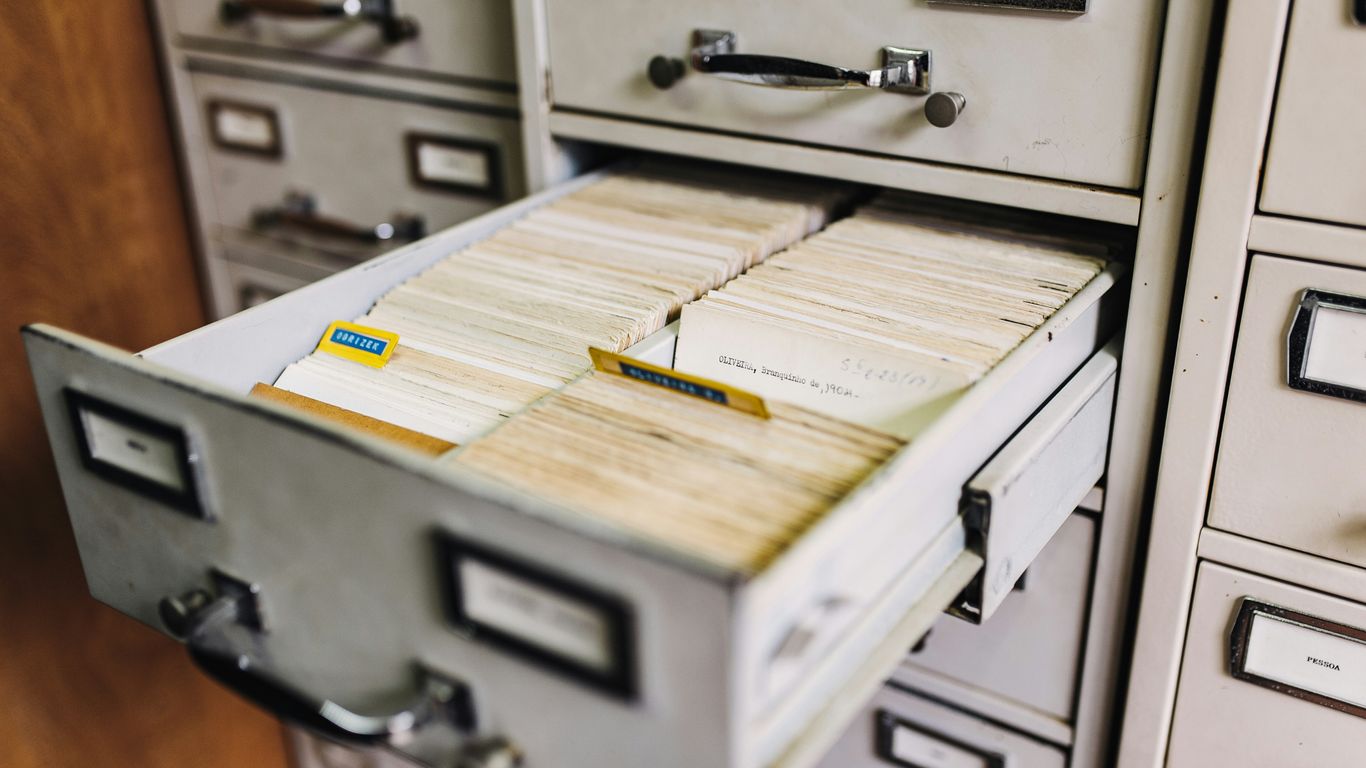
Keeping forensic artifacts safe and sound is a big deal. It’s not just about having the data; it’s about knowing that the data hasn’t been messed with. This is where data integrity and smart storage come into play. Think of it like preserving a historical document – you wouldn’t just shove it in a dusty box; you’d use archival materials and keep it in a controlled environment. The same idea applies to digital evidence.
Immutable Storage Solutions
When we talk about forensic artifacts, we’re often dealing with evidence that needs to be protected from any modification, accidental or malicious. This is where immutable storage shines. Immutable storage means that once data is written, it cannot be altered or deleted for a set period. This is super important for maintaining the integrity of evidence. If someone tries to tamper with it, the system will prevent it, or at least log the attempt. This kind of storage is a cornerstone for any serious forensic preservation system. It provides a strong guarantee that the evidence you collected is the same evidence you’re analyzing later. This is critical for legal proceedings and root cause analysis.
Regular Backup Schedules And Testing
Even with immutable storage, having backups is still a must. Things can go wrong, hardware can fail, or a disaster might strike. So, you need a solid backup plan. This means setting up regular backup schedules – daily, weekly, whatever makes sense for the volume and criticality of your data. But just having backups isn’t enough. You have to test them. Regularly. You need to pull data from your backups and verify that it’s complete and usable. A backup you can’t restore from is basically useless. This testing process helps catch issues before they become a problem, like corrupted files or incomplete data sets. It’s a proactive step that saves a lot of headaches down the line. A good backup strategy should also consider offline or offsite storage to protect against physical disasters or ransomware attacks.
Log Management And Retention Policies
Logs are the breadcrumbs that tell the story of what happened on a system. For forensic artifacts, comprehensive log management is key. This involves collecting logs from all relevant systems – servers, network devices, applications, and security tools. Centralizing these logs makes analysis much easier. You need to have clear retention policies in place, too. How long do you need to keep these logs? This often depends on legal requirements, regulatory mandates, and your organization’s own risk assessment. Proper log management provides the context needed to understand events surrounding an artifact and supports the chain of custody. Without good logs, reconstructing a timeline or understanding how an artifact was accessed or modified becomes incredibly difficult. It’s like trying to solve a puzzle with half the pieces missing. The ability to correlate events across different systems is also a major benefit of a well-managed log system, which is a foundational element for effective security monitoring.
The integrity of forensic artifacts is paramount. It’s not just about preserving the data itself, but also the context and history surrounding it. This requires a multi-layered approach that combines secure storage, reliable backups, and detailed logging. Each component plays a vital role in ensuring that evidence remains trustworthy and usable for investigation and legal purposes.
Securing The Forensic Artifact Lifecycle
Protecting forensic artifacts throughout their entire journey, from creation to final disposition, is absolutely critical. This isn’t just about keeping data safe; it’s about maintaining its integrity and admissibility for legal or investigative purposes. Think of it like handling a priceless historical document – every step matters.
Cryptography And Encryption Standards
When we talk about securing the lifecycle, encryption is a big piece of the puzzle. It’s how we scramble data so only authorized parties can read it. We’re talking about strong standards like AES for data at rest and TLS for data in transit. Without proper key management, even the strongest encryption is pretty useless. This means having systems in place to generate, store, rotate, and revoke those cryptographic keys securely. It’s a whole process, not just a one-time thing. Compliance with regulations like GDPR and HIPAA often mandates specific encryption practices.
Secrets Management And Access Control
Beyond just encrypting the data itself, we need to manage the ‘secrets’ that unlock it. These are things like API keys, passwords, and certificates. If these get into the wrong hands, your encryption doesn’t matter much. A good secrets management system keeps these stored securely, rotates them regularly, and logs who accessed what and when. Access control ties into this directly. We need to make sure only the right people, with the right permissions, can get to the artifacts. This often involves principles like least privilege, meaning folks only get access to what they absolutely need for their job, no more. It’s about building layers of defense so that even if one part is compromised, others still hold strong.
Data Classification And Handling
Not all forensic artifacts are created equal, right? Some might contain highly sensitive personal information, while others are less critical. That’s where data classification comes in. We need to categorize data based on its sensitivity and then apply appropriate handling rules. This means labeling systems, setting up specific access restrictions for different data types, and defining clear protocols for how each category should be stored, accessed, and eventually disposed of. This structured approach helps prevent accidental exposure and ensures that the most sensitive information receives the highest level of protection throughout its lifecycle. It’s a proactive way to manage risk and maintain trust in the data we handle.
Incident Response And Forensic Artifact Preservation
When a security incident strikes, the way you handle the immediate aftermath is just as important as your defenses. This is where incident response and forensic artifact preservation come into play. It’s not just about stopping the bleeding; it’s about understanding how the wound happened and making sure you have the evidence to prove it, if necessary.
Incident Response Lifecycle Integration
Think of incident response as a structured process, a lifecycle that guides you from the moment a problem is detected until it’s fully resolved. Each stage has a specific goal. First, there’s detection – spotting that something is wrong. Then comes containment, where you stop the incident from spreading further. After that, it’s eradication, removing the threat entirely. Following that is recovery, getting systems back to normal, and finally, a post-incident review to learn from the experience. Integrating forensic artifact preservation means ensuring that at every step, especially during containment and eradication, you’re carefully collecting and protecting any digital evidence that might be relevant. This isn’t an afterthought; it needs to be built into your response plans from the start.
Containment and Isolation Strategies
During an incident, your first priority is to limit the damage. This often involves isolating affected systems. For example, you might disconnect a compromised server from the network to prevent the attacker from moving to other machines. This could also mean disabling compromised user accounts or blocking specific network traffic. The goal is to create boundaries, like setting up network segmentation, to keep the problem contained. The speed at which you can contain an incident directly impacts the potential loss. It’s a balancing act: you need to isolate quickly but also ensure you’re not destroying evidence in the process. Sometimes, this means creating forensic images of affected systems before taking them offline, which gives you a snapshot of the system’s state at the time of compromise.
Eradication and Recovery Planning
Once an incident is contained, you need to get rid of the threat and then restore operations. Eradication means removing the malware, closing the exploited vulnerability, or correcting the misconfiguration that allowed the incident to happen in the first place. This is where forensic findings are critical; they tell you exactly what needs to be removed and why. Recovery planning involves bringing systems back online, often from clean backups. It’s important that your recovery process doesn’t reintroduce the same vulnerabilities. This phase also includes validating that the threat is truly gone and that systems are functioning correctly. A solid plan here means you can get back to business without unnecessary delays, while still being confident that the threat has been dealt with.
Legal And Regulatory Considerations In Forensic Artifact Preservation
When we talk about preserving forensic artifacts, it’s not just about the technical side of things. There’s a whole layer of legal and regulatory stuff that we absolutely have to pay attention to. Mess this up, and all that hard work preserving evidence could go out the window when it comes to court or an audit.
Legal And Regulatory Response Frameworks
Different laws and rules apply depending on where you are and what kind of data you’re dealing with. For instance, if sensitive personal information is involved, you’ve got to think about regulations like GDPR in Europe or similar laws elsewhere. These frameworks often dictate how evidence must be handled, stored, and presented. Failure to comply can lead to significant penalties, not to mention making the evidence inadmissible. It’s like trying to build a solid case, but the foundation keeps crumbling because you didn’t follow the building codes.
- Evidence Handling Standards: Many jurisdictions have specific rules about how digital evidence is collected, transported, and stored to maintain its integrity. This often involves detailed documentation and strict access controls.
- Chain of Custody Requirements: A clear and unbroken chain of custody is vital. This means meticulously tracking who had access to the artifact, when, and why, from the moment it was collected until it’s presented.
- Data Residency and Sovereignty: Depending on the data’s origin and the location of the investigation, laws about where data can be stored and processed come into play. This can affect your choice of storage solutions and cloud providers.
Breach Notification Requirements
If a security incident involves the compromise of forensic artifacts, especially those containing sensitive information, notification requirements can kick in. These aren’t just suggestions; they’re often legal obligations. The specifics vary wildly. Some laws require notification to individuals whose data was affected, while others mandate reporting to regulatory bodies. The timeline for these notifications is usually quite strict, meaning you need to have a plan ready to go before an incident happens. It’s about being transparent and accountable when things go wrong.
The speed and accuracy of communication during a breach are paramount. Delays or inaccuracies can exacerbate legal issues and damage trust with affected parties and regulators alike. Having pre-approved communication templates and clear escalation paths can streamline this critical process.
Compliance With Data Protection Laws
This is a big one. Laws like HIPAA for health information, PCI DSS for payment card data, and various state-level privacy acts all have specific requirements for protecting sensitive data. When you’re preserving forensic artifacts, you’re essentially safeguarding data that might fall under these regulations. This means implementing controls that align with these laws, such as encryption, access restrictions, and audit trails. It’s not just about preventing a breach; it’s about demonstrating that you’re actively protecting data according to established legal standards. For example, understanding data classification is a key part of this, as it helps determine which protections are needed for different types of information.
- Data Minimization: Collect and retain only the data that is strictly necessary for the investigation.
- Access Controls: Implement strict role-based access to forensic artifacts, limiting who can view or modify them.
- Audit Trails: Maintain detailed logs of all access and actions performed on forensic artifacts for accountability and review.
Architectural Considerations For Forensic Artifact Preservation Systems
When building systems to keep forensic artifacts safe, the way you put things together matters a lot. It’s not just about having the right tools, but how they work together to create a strong defense. Think of it like building a house; you need a solid foundation, strong walls, and a good roof, all designed to work as one unit.
Defense In Depth Strategies
This is all about layering your security. Instead of relying on one big lock, you put multiple locks on the door, then maybe a security camera, and then an alarm system. If one layer fails, others are still there to catch the problem. For forensic artifacts, this means protecting them at every stage – from collection to storage and analysis. It involves putting controls in place at the network level, on the devices themselves, within applications, and even at the data level. This approach makes it much harder for unauthorized access or tampering to happen.
Network Segmentation and Isolation
Imagine your network is a big office building. Network segmentation is like putting up walls and locked doors between different departments. If someone gets into accounting, they can’t just wander into the server room. This is super important for forensic data because it stops an attacker who might breach one part of your system from easily moving to where the evidence is stored. It limits the ‘blast radius’ of any security incident. This can range from broad network segments to very specific micro-perimeters around individual workloads, controlling exactly what can talk to what.
Identity-Centric Security Models
Older security models focused a lot on the network perimeter – like a castle wall. But today, people and devices connect from everywhere. An identity-centric model shifts the focus to verifying who or what is trying to access something, regardless of where they are. It’s about making sure the right person (or system) has the right access, and nothing more. This means strong authentication, like multi-factor authentication, and carefully managing permissions based on roles and responsibilities. This approach is key because compromised credentials are one of the most common ways attackers get in.
Building a secure system for forensic artifacts isn’t just about technology; it’s about a thoughtful design that anticipates how systems might fail and how attackers might try to get around defenses. It requires a layered approach where each component supports the others, creating a robust environment for sensitive data.
Continuous Improvement Of Forensic Artifact Preservation
After any incident, it’s not enough to just clean up and move on. We need to look back and figure out what went wrong and how we can do better next time. This is where continuous improvement comes in for preserving forensic artifacts. It’s all about making sure our systems get stronger over time, not weaker.
Post-Incident Review And Lessons Learned
This is the first big step. Once an incident is resolved, we need to conduct a thorough review. This isn’t about pointing fingers; it’s about understanding the facts. We gather all the information from the incident response, including logs, alerts, and actions taken. Then, we analyze what happened, why it happened, and how our preservation systems performed. Did we capture the right evidence? Was the chain of custody maintained without any hiccups? Were there any gaps in our documentation?
- Identify Root Causes: Pinpoint the underlying issues that allowed the incident to occur and potentially impacted evidence integrity.
- Evaluate Response Effectiveness: Assess how well the incident response team followed procedures and how this affected the forensic artifacts.
- Document Findings: Create a clear record of what was learned, including any challenges encountered during evidence collection or preservation.
- Formulate Actionable Recommendations: Develop specific, measurable steps to address identified weaknesses.
A structured post-incident review is the bedrock of learning. It transforms a negative event into a positive opportunity for growth and strengthens the overall security posture.
Control Effectiveness And Maturity Assessment
Following the review, we need to check if our existing controls are actually working as intended and how mature our preservation processes are. This involves looking at things like our backup solutions, key management, and SIEM systems. Are they configured correctly? Are they being used to their full potential? We might use metrics to track things like how long it takes to detect a compromise or how quickly we can recover data. This helps us see where we stand and where we need to invest more effort. For example, we could track the success rate of our backup restoration tests over time. A declining success rate would be a clear signal that something needs attention.
| Control Area | Current Maturity Level | Effectiveness Score (1-5) | Improvement Priority | Notes |
|---|---|---|---|---|
| Secure Backup Solutions | Developing | 3 | High | Need more frequent testing of offline backups |
| Key Management Systems | Mature | 5 | Low | Well-established processes |
| SIEM Alerting | Developing | 2 | High | Too many false positives, needs tuning |
| Immutable Storage Usage | Basic | 4 | Medium | Expand usage to more critical data |
Cybersecurity As Continuous Governance
Finally, continuous improvement means making cybersecurity, including forensic artifact preservation, an ongoing part of how the organization is run. It’s not a one-time project. This involves updating policies, training staff regularly, and staying aware of new threats and technologies. We need to make sure our preservation strategies can adapt to changes, like new types of attacks or evolving legal and regulatory response frameworks. It’s about building a culture where security and proper evidence handling are just part of the job, every single day. This proactive approach helps us stay ahead of potential issues and maintain the integrity of our digital evidence over the long haul.
Threat Landscape And Forensic Artifact Preservation
Understanding the current threat landscape is pretty important when we’re talking about keeping forensic artifacts safe. It’s not just about locking things down; it’s about knowing what kind of trouble is out there and how it might affect the evidence we’re trying to preserve. Attackers are always coming up with new ways to get into systems, and they’re getting pretty sophisticated about it.
Understanding Threat Actor Models
Different groups, or threat actors, have different reasons for attacking. Some are in it for the money, like cybercriminals who want to steal data or hold it for ransom. Others might be state-sponsored, looking for secrets or to disrupt operations. Then there are insider threats, people who already have access and misuse it. Knowing who might be targeting you and why helps us figure out what kind of attacks to expect. For instance, a financially motivated group might focus on ransomware, while a state actor might be more interested in long-term espionage, using stealthy methods for data exfiltration. This understanding directly influences the types of defenses and preservation strategies we need to put in place.
Intrusion Lifecycle Models
Attackers usually follow a pattern, often described by intrusion lifecycle models. They don’t just magically appear inside a system. It typically starts with reconnaissance, then initial access, followed by establishing persistence, escalating privileges, moving around the network (lateral movement), and finally, achieving their objective like stealing data or causing damage. Each phase has different techniques associated with it. For example, during the initial access phase, they might use phishing emails or exploit unpatched software. Later, they might use legitimate system tools to blend in and avoid detection. Understanding these stages helps us build defenses at each step and know what to look for in our logs and alerts. It’s like knowing the steps of a crime to better catch the perpetrator.
Advanced Malware Techniques
Malware is getting smarter, too. We’re seeing more fileless malware that doesn’t actually write itself to disk, making it harder for traditional antivirus to catch. Attackers also use techniques like polymorphism, where the malware changes its code with each infection to evade signature-based detection. Some even go as far as trying to infect firmware, which is incredibly difficult to detect and remove. These advanced methods are designed to stay hidden for a long time, giving attackers more opportunity to achieve their goals and potentially compromise the integrity of forensic artifacts. Being aware of these techniques means our preservation systems need to go beyond basic signature scanning and look for suspicious behavior instead. This is where proactive threat hunting becomes really valuable.
| Technique | Description |
|---|---|
| Fileless Malware | Executes in memory, avoiding disk-based detection. |
| Polymorphic Malware | Changes its code with each infection to evade signature detection. |
| Living Off the Land (LotL) | Abuses legitimate system tools for malicious purposes. |
| Steganography | Hides data within other files or network traffic, making it hard to spot. |
| Firmware-level Attacks | Infects the system’s basic input/output system (BIOS/UEFI) for deep persistence. |
The sophistication of modern threats means that simply relying on perimeter defenses is no longer enough. Attackers are adept at bypassing traditional security measures, often by mimicking legitimate activity or exploiting the very tools designed to protect systems. This necessitates a shift towards more dynamic and behavioral-based detection methods, which are also critical for preserving the integrity of forensic evidence throughout an incident.
Wrapping Up: Keeping Forensic Artifacts Safe
So, we’ve talked about a lot of stuff when it comes to keeping forensic artifacts safe. It’s not just about putting things in a box and hoping for the best. We need solid systems in place, from how we collect evidence to how we store it long-term. Think about digital forensics, for example; keeping that data secure and its history intact is super important for any investigation. And it’s not just about physical items either. Proper handling, clear documentation, and secure storage all play a big part. It really comes down to having a plan and sticking to it, so that when that evidence is needed, it’s still good to go and can actually be used. It’s a lot of work, sure, but it’s the kind of work that makes sure justice can be served and that we learn from what happened.
Frequently Asked Questions
What is digital forensics and why is it important for evidence?
Digital forensics is like being a detective for computers and digital devices. It’s all about carefully collecting and looking at digital clues after something bad happens, like a cyberattack. This helps us figure out exactly how the attack happened, which computers were affected, and what information might have been stolen. Keeping this evidence safe and handling it correctly is super important for any legal cases, fixing problems, and making sure we follow the rules.
Why is keeping track of evidence, like a ‘chain of custody,’ so critical?
Imagine you found a really important clue at a crime scene. You’d want to make sure everyone knows exactly who handled that clue from the moment it was found until it’s presented in court, right? That’s what a ‘chain of custody’ is for digital evidence. It’s a detailed record that proves the evidence hasn’t been messed with or changed. This is crucial so that the evidence is trusted and can be used legally.
What’s the point of ‘root cause analysis’ after a security problem?
When something goes wrong, like a security breach, just fixing the immediate problem isn’t enough. ‘Root cause analysis’ is like digging deep to find out the *real* reason the problem happened in the first place. Was it a weak password? A forgotten update? By finding the main cause, we can fix the underlying issue and stop the same problem from happening again and again.
How do secure backup systems help protect important digital stuff?
Think of backups like a safety net for your digital information. Secure backup systems make copies of your important data and store them safely, often in a way that even if your main systems get hit by something like ransomware, your data is still safe. It’s like having a spare key hidden away. Regularly checking these backups ensures you can actually get your information back if you need it.
What is ‘immutable storage’ and why is it good for storing evidence?
Immutable storage is like putting your evidence in a special vault where no one can change or delete it, not even by accident. Once data is stored this way, it’s locked down and can’t be altered. This is fantastic for forensic artifacts because it guarantees that the evidence remains exactly as it was collected, making it super reliable for investigations and legal proceedings.
What does ‘defense in depth’ mean when we talk about security systems?
‘Defense in depth’ is like building a castle with many layers of protection. Instead of relying on just one big wall, you have walls, moats, guards, and strong doors. In cybersecurity, this means using multiple different security tools and methods. If one layer fails, others are still there to protect your important digital stuff.
Why is ‘network segmentation’ important for keeping systems safe?
Imagine your computer network is like a big building. Network segmentation is like putting up walls inside that building to separate different areas. If a fire starts in one room (like a computer getting infected), these walls stop it from spreading to the rest of the building. This helps contain problems and protect more important areas from getting affected.
What is ‘threat hunting’ and how is it different from regular security checks?
Regular security checks are like setting up alarms that go off when something obvious is wrong. ‘Threat hunting,’ on the other hand, is like actively searching for hidden dangers that the alarms might have missed. Security experts proactively look for signs of sneaky attackers who are trying to stay hidden, using their skills and knowledge to find threats before they cause major damage.