
Malware isn’t just staying the same anymore; it’s getting smarter and changing its tactics all the time. This means our defenses need to keep up. We’re talking about adaptive malware evolution frameworks here – basically, how we build systems that can learn and change to fight off these evolving threats. It’s a bit like a constant arms race, but with code. Let’s break down what that means and how we can get better at it.
Key Takeaways
- Malware is constantly changing, so defense systems need to adapt too. This involves understanding how malware works and how attackers operate.
- Effective adaptive malware evolution frameworks use threat intelligence, analyze behavior to spot unusual activity, and automate responses to stop attacks quickly.
- Newer malware uses clever tricks like fileless attacks and AI to hide and change, making traditional security methods less effective.
- Building resilience means having plans for when things go wrong, like incident response and recovery, and always keeping an eye on what’s happening.
- The future of defense involves more AI, smarter data sharing, and security models that don’t assume anything is safe by default.
Understanding Adaptive Malware Evolution Frameworks
Malware isn’t static; it changes. Think of it like a living thing, always adapting to survive and spread. This constant evolution means our defenses need to keep up. Understanding how malware changes and why is the first step in building effective defenses.
Defining Malware and Its Evolving Nature
Malware, short for malicious software, is any program designed to harm computer systems, steal data, or gain unauthorized access. It’s not just viruses anymore. We’re seeing worms, trojans, ransomware, spyware, and more sophisticated types like fileless malware that operates in memory without leaving traditional files behind. The nature of malware is its ability to change. Attackers use various techniques to make their malicious code harder to detect. This includes encryption, where the code is scrambled, and obfuscation, where it’s made deliberately confusing. They also constantly look for new ways to get into systems, like exploiting software flaws that haven’t been patched yet or tricking people into running the malware themselves.
The Lifecycle of Malware Attacks
Malware attacks usually follow a pattern, a kind of lifecycle. It starts with delivery, where the malware gets onto a system. This can happen through email attachments, malicious websites, or even infected USB drives. Once it’s on the system, it needs to execute and often establish persistence, meaning it finds a way to stay active even if the system restarts. Then, it usually needs to communicate with its creator, often through a command-and-control server, to get instructions or send stolen data. Finally, it performs its impact, which could be encrypting files for ransom, stealing passwords, or just disrupting operations.
Understanding these stages helps us figure out where to best intercept an attack. For example, blocking delivery is great, but if the malware is already persistent, we need different tools.
Key Threat Actors and Their Motivations
Who is behind all this? Threat actors are diverse. We have cybercriminals focused purely on financial gain, often operating through ransomware-as-a-service models where they rent out their tools. Then there are nation-state actors, who might be interested in espionage, stealing secrets, or disrupting critical infrastructure. Hacktivists use attacks to promote a political or social agenda. Sometimes, the threat comes from within – an insider who abuses their legitimate access. Each type of actor has different resources, skills, and motivations, which shapes how they attack and what tools they use.
| Threat Actor Type | Primary Motivation | Common Tactics |
|---|---|---|
| Cybercriminals | Financial Gain | Ransomware, Data Theft, Phishing |
| Nation-States | Espionage, Sabotage | Advanced Persistent Threats (APTs), Zero-Day Exploits |
| Hacktivists | Ideology, Protest | Website Defacement, DDoS Attacks |
| Insiders | Revenge, Financial Gain, Ideology | Data Exfiltration, System Disruption |
Core Components of Adaptive Malware Evolution Frameworks
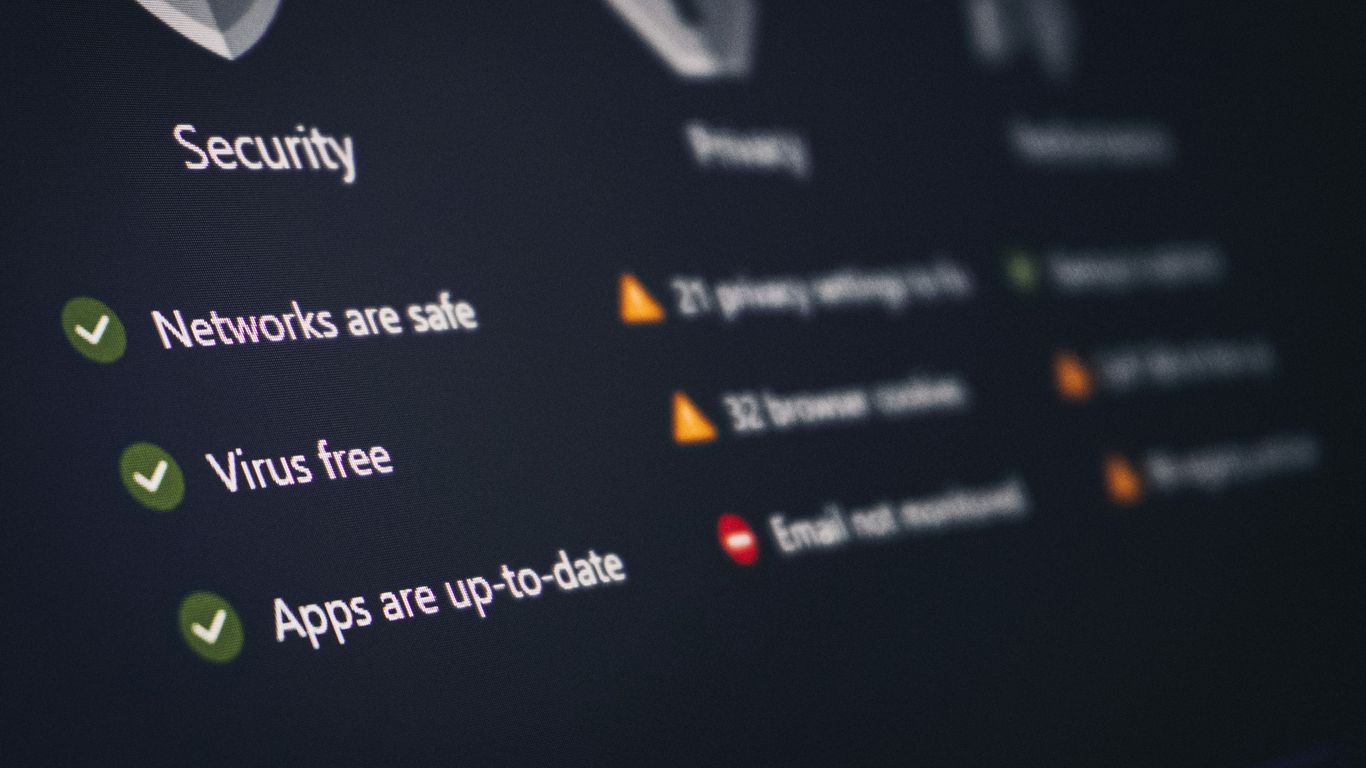
Building a robust defense against evolving malware means having the right pieces in place. It’s not just about having antivirus software; it’s about a system that can adapt and respond. Think of it like a sophisticated security system for your digital world. These frameworks are designed to be proactive, not just reactive.
Threat Intelligence Integration
This is all about knowing what’s out there. Threat intelligence feeds you information about new malware strains, attack methods, and the actors behind them. It’s like getting daily weather reports for the cyber world. This information helps you anticipate threats before they hit. Without it, you’re essentially flying blind. This intelligence can come from various sources, like security vendors, government agencies, or even industry sharing groups. It helps identify indicators of compromise (IOCs) and tactics, techniques, and procedures (TTPs) used by attackers. Understanding how attackers operate is key to building effective defenses. Attacks typically follow a lifecycle, starting with reconnaissance and moving through initial access, persistence, and exfiltration. Attackers employ various techniques, including exploiting vulnerabilities and using advanced malware with evasion tactics. Recognizing different threat actor models and motivations helps anticipate their strategies and implement targeted security measures at each stage of the attack lifecycle.
Behavioral Analysis and Anomaly Detection
Malware is getting smarter, often trying to look like normal activity. That’s where behavioral analysis comes in. Instead of just looking for known bad signatures, this component watches how applications and systems behave. If something starts acting weird – like a document suddenly trying to access system files it shouldn’t – an alert can be triggered. Anomaly detection is similar; it establishes a baseline of normal activity and flags anything that deviates significantly. This is super important for catching zero-day threats or fileless malware that doesn’t have a traditional signature.
Here’s a look at what behavioral analysis might monitor:
- Process Activity: Unusual process creation, modification of system files, or unexpected network connections.
- File System Changes: Rapid encryption of files, creation of suspicious executables, or modification of critical system areas.
- Network Traffic: Connections to known malicious IPs, unusual data exfiltration patterns, or attempts to communicate over non-standard ports.
- Registry Modifications: Changes to startup keys, disabling security features, or creation of persistent backdoors.
Detecting unusual behavior is often more effective than relying solely on known threat signatures, especially as malware becomes more sophisticated and aims to mimic legitimate system functions.
Automated Response and Mitigation Strategies
Once a threat is detected, speed is everything. Automated response systems can take immediate action to contain the threat, minimizing damage. This could involve isolating an infected machine from the network, blocking malicious IP addresses, or terminating suspicious processes. The goal is to stop the malware in its tracks before it can spread or cause significant harm. This automation is what makes a framework truly adaptive, allowing it to react much faster than a human could in many situations. It’s about having pre-defined playbooks that kick in automatically based on the type and severity of the detected threat.
Frameworks for Evolving Malware Defense
Keeping up with malware is a constant battle. It feels like every time we get a handle on one type of threat, a new, more sophisticated version pops up. This is where defense frameworks come into play. They aren’t just about having antivirus software; they’re about building a layered, intelligent system to spot and stop threats before they do real damage.
Leveraging Threat Intelligence Platforms
Think of threat intelligence platforms (TIPs) as your early warning system. They collect information from all sorts of places – security feeds, dark web monitoring, even reports from other organizations. This data can include things like known malicious IP addresses, file hashes of malware, and details about attacker tactics. By integrating this intelligence, you can proactively block known bad actors and indicators of compromise (IOCs) before they even reach your network. It’s about knowing what’s coming so you can prepare.
- Data Sources: Feeds from security vendors, open-source intelligence, dark web monitoring, internal security events.
- Analysis: Correlation of IOCs and TTPs (Tactics, Techniques, and Procedures).
- Action: Automated blocking, alerting, and enrichment of security alerts.
Integrating threat intelligence isn’t a one-time setup. It requires continuous tuning and validation to ensure the data is relevant and actionable for your specific environment. False positives can overwhelm security teams, so accuracy is key.
Implementing Endpoint Detection and Response (EDR)
Traditional antivirus is good at catching known malware, but it often misses new or fileless threats. That’s where Endpoint Detection and Response (EDR) solutions shine. EDR goes beyond signature-based detection. It monitors endpoint activity – what processes are running, what files are being accessed, what network connections are being made – and looks for suspicious behavior. If it spots something off, it can alert security teams and even take automated actions, like isolating the infected machine. This is especially important for dealing with advanced malware that tries to hide by using legitimate system tools, a tactic known as living-off-the-land. Advanced malware techniques are a major reason EDR is becoming standard.
Utilizing Security Information and Event Management (SIEM)
SIEM systems are like the central nervous system for your security operations. They collect logs and event data from all your different security tools and systems – firewalls, servers, applications, EDR, and more. The real power comes when the SIEM correlates this data. For example, it might see a suspicious login attempt from an EDR alert and combine it with network traffic logs showing communication with a known malicious IP address. This combined view can reveal a sophisticated attack that might have been missed if you were only looking at individual alerts. It helps paint a bigger picture of what’s happening across your entire IT infrastructure, which is vital for understanding cyber governance in crisis communication.
| Data Source | Data Collected |
|---|---|
| Firewall | Connection attempts, blocked traffic |
| EDR | Process activity, file access, network events |
| Authentication Logs | Login attempts, failures, account changes |
| Web Server Logs | User requests, errors, access patterns |
These frameworks, when used together, create a much stronger defense against the ever-changing landscape of malware threats.
Advanced Techniques in Malware Evolution
Malware authors are always looking for new ways to sneak past defenses. It’s not just about writing code that does bad things anymore; it’s about making that code really hard to find and stop. This means they’re getting pretty creative with how they operate.
Fileless Malware and Living-Off-The-Land Tactics
One of the big shifts we’re seeing is the move towards fileless malware. Instead of dropping a traditional executable file onto a system, these threats operate entirely in memory. They often use legitimate system tools that are already present on the machine – think PowerShell, WMI, or even registry entries. This is what we call ‘Living Off The Land’ (LOTL). Because they’re using tools that are supposed to be there, it makes them incredibly difficult to distinguish from normal system activity. It’s like a burglar using the homeowner’s own tools to break in; it doesn’t raise as many alarms.
- Memory-resident execution: Malware runs directly in RAM, leaving no trace on the disk.
- Abuse of legitimate tools: Utilizes built-in utilities like PowerShell, cmd.exe, and WMI.
- Obfuscated scripts: Commands are often heavily encoded or fragmented to avoid simple pattern matching.
The challenge with LOTL is that blocking these tools outright would break the operating system. Defenders have to get very good at monitoring how these tools are used, not just that they are used.
Polymorphic and Metamorphic Malware
To avoid detection by signature-based antivirus software, malware authors have developed polymorphic and metamorphic techniques. Polymorphic malware changes its code each time it replicates, altering its signature while keeping its core functionality the same. Think of it like a chameleon changing its colors. Metamorphic malware goes a step further; it completely rewrites its code with each new instance, making it even harder to create a consistent signature. This constant mutation means that security tools need to be more sophisticated than just looking for known patterns.
AI-Driven Evasion and Adaptation
Artificial intelligence (AI) is starting to play a bigger role in malware development. Attackers can use AI to automate the process of finding new vulnerabilities, crafting more convincing phishing messages, or even dynamically adapting their malware’s behavior in real-time based on the environment it finds itself in. This means malware could potentially change its tactics on the fly if it detects it’s in a sandbox or if it encounters certain security controls. This is a significant leap from static malware that follows a predictable path. The ability for malware to learn and adapt poses a serious challenge for traditional, rule-based security systems. Advanced attackers are increasingly incorporating these methods to stay ahead.
Frameworks for Addressing Advanced Malware
When we talk about advanced malware, we’re not just dealing with the usual viruses or worms anymore. These are sophisticated threats designed to be sneaky and hard to catch. Think about malware that doesn’t even need to install files on your system, or code that uses legitimate system tools to hide its actions. It’s a whole different ballgame.
Sandboxing and Dynamic Analysis
One of the main ways to get a handle on these tricky threats is through sandboxing. Basically, you set up a controlled, isolated environment – like a digital sandbox – where you can run suspicious files or code without risking your actual network. This lets you see exactly what the malware does, how it behaves, and what its goals are. Dynamic analysis is the process of observing this behavior in real-time within the sandbox. It’s like watching a suspect under a microscope.
Here’s a look at what sandboxing helps reveal:
- File System Changes: Does it try to create, delete, or modify files?
- Registry Modifications: Does it alter Windows registry settings for persistence?
- Network Activity: Does it try to connect to external servers (command and control)?
- Process Creation: Does it launch other malicious processes?
This kind of detailed observation is key to understanding the intent behind the code. It’s a step beyond just looking for known signatures.
Deception Technologies and Honeypots
Another approach involves setting traps. Deception technologies, including honeypots, are designed to lure attackers away from your real assets. A honeypot is essentially a decoy system or data set that looks valuable but is actually monitored. When an attacker interacts with it, you get an alert. This not only helps detect intrusions early but also provides valuable intelligence about attacker methods and tools. It’s a bit like setting up a fake treasure chest to catch a thief.
Key benefits of deception technologies:
- Early Warning: Detects unauthorized activity before critical systems are hit.
- Intelligence Gathering: Provides insights into attacker tactics, techniques, and procedures (TTPs).
- Reduced False Positives: Alerts are generally more reliable since legitimate users shouldn’t be interacting with decoys.
These methods are particularly useful against advanced persistent threats (APTs) that spend a lot of time probing networks for weaknesses. By presenting attractive, yet fake, targets, defenders can gain visibility into attacker movements and intentions without putting real data at risk.
Threat Hunting and Proactive Defense
Finally, we have threat hunting. This isn’t about waiting for an alert; it’s about actively searching for signs of compromise that automated systems might have missed. Threat hunters use their knowledge of attacker behavior and sophisticated tools to look for subtle indicators of malicious activity within the network. It’s a proactive stance, assuming that attackers might already be present and working to find them before they cause significant damage. This approach is crucial for dealing with stealthy threats that aim for long-term persistence, like those seen in supply chain attacks.
Key aspects of proactive threat hunting:
- Hypothesis-Driven: Hunters form educated guesses about potential threats and search for evidence.
- Behavioral Analysis: Focuses on anomalous activities rather than just known malware signatures.
- Tooling: Utilizes advanced analytics, SIEM data, and endpoint telemetry.
By combining these techniques – sandboxing for analysis, deception for early detection, and threat hunting for proactive discovery – organizations can build a more robust defense against the ever-evolving landscape of advanced malware.
The Role of Frameworks in Malware Resilience
When we talk about malware, it’s not just about stopping it in its tracks. It’s also about how quickly and effectively we can bounce back if something does get through. That’s where resilience comes in. Think of it like having a good emergency plan for your house – you hope you never need it, but if a storm hits, you’re ready to deal with the aftermath.
Building Cyber Resilience Through Adaptive Frameworks
Cyber resilience is all about keeping things running, or getting them back up and running fast, even when bad stuff happens. It’s not just about preventing attacks, but also about how well an organization can keep its operations going during and after a security incident. Adaptive frameworks play a big part here because they help us react to new threats as they pop up. They’re not static; they change and learn, which is exactly what we need when malware is constantly evolving. This means having systems in place that can detect unusual activity, isolate affected parts of the network, and restore normal operations with minimal disruption. It’s about being prepared for the unexpected, understanding that a breach might happen, and having a solid plan to deal with it. Building this kind of resilience means looking at the whole picture, from how attackers operate to how our own systems respond. It’s a continuous process, not a one-time fix.
Incident Response and Recovery Planning
Having a well-thought-out incident response plan is key to resilience. This plan outlines the steps your team will take when a security event occurs. It covers everything from initial detection and containment to eradication and recovery. A good plan includes clear roles and responsibilities, communication protocols, and procedures for notifying stakeholders. For example, if ransomware strikes, the plan should detail how to isolate infected systems, assess the damage, and restore data from secure backups. Without secure, tested, and immutable backups, recovery from ransomware is severely compromised. It’s also important to regularly test these plans through drills and simulations to identify weaknesses and make improvements. This preparation helps reduce the chaos and speeds up the return to normal operations.
Continuous Monitoring and Improvement Cycles
Malware threats don’t stand still, so our defenses can’t either. Continuous monitoring is like having a security guard who’s always watching, looking for anything out of the ordinary. This involves keeping an eye on network traffic, system logs, and user behavior for signs of compromise. When something suspicious is flagged, it needs to be investigated quickly. But it doesn’t stop there. After an incident, or even just based on regular analysis, it’s vital to review what happened. What worked well? What didn’t? This feedback loop is what drives improvement. By learning from every event, whether it’s a minor alert or a major breach, organizations can refine their security strategies, update their tools, and strengthen their defenses against future attacks. It’s a cycle of watch, react, learn, and adapt.
Challenges in Developing Adaptive Malware Evolution Frameworks
Building frameworks that can keep pace with evolving malware presents a significant hurdle. It’s not just about creating a system; it’s about making sure that system can adapt as quickly as the threats it’s designed to counter. This is a constant game of catch-up, and falling behind can have serious consequences.
The Pace of Threat Evolution
The speed at which malware changes is frankly astonishing. Attackers are constantly refining their techniques, developing new ways to slip past defenses. We’re seeing more sophisticated methods like fileless malware and living-off-the-land tactics, which abuse legitimate system tools to hide their malicious activities. This means any defense framework needs to be incredibly agile. A framework built today might be outdated tomorrow if it can’t adapt. It’s like trying to build a fortress against an enemy that’s constantly inventing new siege engines.
- Polymorphic and Metamorphic Malware: These types of malware change their code with each infection, making signature-based detection almost useless. They’re designed to look different every time, which is a major headache for security tools.
- AI-Driven Evasion: Artificial intelligence is now being used by attackers to create malware that can learn and adapt in real-time, finding novel ways to bypass security controls. This is a whole new level of complexity.
- Living-Off-The-Land (LotL) Tactics: Attackers are increasingly using built-in system tools (like PowerShell or WMI) to carry out their attacks. This makes it incredibly hard to distinguish malicious activity from normal system operations, leading to a lot of false positives or missed detections.
The sheer dynamism of the threat landscape means that static defense strategies are no longer sufficient. Frameworks must incorporate mechanisms for continuous learning and adaptation, mirroring the adaptive nature of the threats they aim to combat. This requires a proactive rather than reactive stance.
Data Volume and Analysis Complexity
Modern security systems generate an enormous amount of data. Think logs, network traffic, endpoint activity – it’s a firehose of information. Sifting through all this to find the subtle signs of an advanced threat is like looking for a needle in a haystack, but the haystack is also on fire and constantly growing. Analyzing this data effectively requires sophisticated tools and skilled personnel. Without them, you’re essentially blind to what’s really going on. This is where threat intelligence platforms can help by providing context, but integrating and making sense of that intelligence is still a challenge.
Integration with Existing Security Stacks
Most organizations don’t start from scratch when building their security. They have existing tools and systems in place – firewalls, antivirus, intrusion detection systems, and so on. A new adaptive framework needs to play nicely with all of this. If it’s difficult to integrate, or if it conflicts with existing tools, it’s unlikely to be adopted. This can lead to gaps in coverage or, worse, create new vulnerabilities. The problem of security control drift is also exacerbated when new systems are introduced without proper integration and ongoing management.
Here’s a quick look at the integration challenge:
| Component Type | Integration Difficulty | Potential Conflicts |
|---|---|---|
| SIEM Systems | Moderate to High | Data format, alert fatigue |
| EDR Solutions | High | Agent conflicts, performance impact |
| Firewalls | Moderate | Policy management, network visibility |
| Cloud Services | High | API limitations, data residency |
| Legacy Systems | Very High | Lack of APIs, outdated protocols |
Future Directions in Adaptive Malware Evolution Frameworks
Predictive Analytics and AI in Defense
The fight against malware is getting smarter, and a big part of that is using predictive analytics and artificial intelligence (AI). Instead of just reacting to threats, we’re moving towards anticipating them. AI can sift through massive amounts of data – think network traffic, system logs, and even global threat feeds – to spot patterns that humans might miss. This helps in identifying potential new malware strains or attack methods before they become widespread. It’s like having a super-powered early warning system. This proactive approach is key to staying ahead of attackers.
Federated Learning for Threat Intelligence
Sharing threat intelligence is vital, but it often runs into privacy and data sovereignty issues. Federated learning offers a way around this. Instead of sending raw data to a central location, the AI models are trained locally on different datasets. Only the model updates, not the data itself, are shared. This means organizations can contribute to a collective intelligence pool without exposing their sensitive information. It’s a more secure and privacy-friendly way to build a stronger defense for everyone. This approach is particularly useful for understanding the nuances of malware that might be specific to certain regions or industries.
Zero Trust Architectures and Adaptive Controls
Zero Trust isn’t exactly new, but its role in adaptive malware defense is becoming more pronounced. The core idea is simple: never trust, always verify. This means every access request, whether from inside or outside the network, is treated as potentially hostile. Adaptive controls take this a step further. They dynamically adjust security policies based on real-time risk assessments. For example, if a user’s behavior suddenly looks suspicious, their access might be temporarily restricted or require additional authentication. This kind of dynamic response can stop malware in its tracks, even if it manages to bypass initial defenses. It’s about building systems that can adjust their security posture on the fly, making it much harder for malware to gain a foothold or move around undetected. This is a significant shift from traditional perimeter-based security models, which often assume internal systems are safe. The goal is to create a more resilient security posture that can adapt to the ever-changing threat landscape.
Frameworks for Specific Malware Types
Malware isn’t a one-size-fits-all problem. Different types require different approaches to defense. Thinking about how these threats evolve helps us build better defenses. Let’s break down a few common categories and how we can tackle them.
Ransomware Evolution and Defense Frameworks
Ransomware has really changed over the years. It used to just lock your files, but now it’s a lot more aggressive. Attackers often steal your data before they encrypt it, threatening to leak it if you don’t pay. This "double extortion" tactic makes it much harder to just restore from backups. Some even go for "triple extortion," adding things like DDoS attacks or contacting customers. Because of this, defense frameworks need to focus on more than just data recovery.
Key elements of a ransomware defense framework include:
- Data Backups: Regular, isolated, and tested backups are still the first line of defense. If the worst happens, you need to be able to restore your systems without paying.
- Endpoint Detection and Response (EDR): These tools can spot suspicious activity on individual devices that might indicate ransomware trying to spread.
- Network Segmentation: Breaking your network into smaller parts makes it harder for ransomware to move from one system to another. This limits the blast radius of an attack.
- User Training: Phishing emails are still a major way ransomware gets in. Teaching people to spot suspicious links and attachments is vital.
The shift from simple encryption to data exfiltration and extortion means that simply having backups isn’t enough. Organizations must also consider data loss prevention and robust incident response plans that account for potential data leaks.
Frameworks for Addressing Mobile Malware
Smartphones and tablets are everywhere, and so is mobile malware. These threats can steal personal information, track your location, or even make fraudulent calls. They often spread through fake apps in unofficial stores or malicious links sent via text or email.
Defending against mobile malware involves:
- App Vetting: Being careful about which apps you download and where you get them from. Stick to official app stores and check reviews.
- Mobile Device Management (MDM): For businesses, MDM solutions can enforce security policies on company devices, like requiring strong passwords or disabling certain features.
- Regular Updates: Keeping your mobile operating system and apps updated patches known security holes that malware could exploit.
- Network Security: Being cautious about connecting to public Wi-Fi networks, as these can sometimes be compromised to intercept traffic.
Countering Supply Chain and Firmware Attacks
These are some of the trickiest threats because they target the software or hardware before it even gets to you. Think about a compromised update for a common software tool, or even malicious code embedded in a device’s firmware. These attacks are hard to detect and can survive even if you reinstall the operating system. Supply chain attacks are a growing concern.
Frameworks for dealing with these types of attacks need to be proactive:
- Software Bill of Materials (SBOM): Knowing exactly what components are in your software helps identify potential risks.
- Firmware Integrity Checks: Verifying that the firmware on your devices hasn’t been tampered with, often using secure boot mechanisms.
- Vendor Risk Management: Carefully vetting the security practices of your software and hardware suppliers.
- Code Signing and Verification: Ensuring that software and updates come from a trusted source and haven’t been altered.
It’s a constant cat-and-mouse game, but by understanding the specific ways malware evolves, we can build more targeted and effective defenses.
Governance and Compliance in Adaptive Frameworks
When we talk about adaptive malware evolution frameworks, we’re not just talking about cool tech. We’re also talking about the rules and structures that keep everything in check. This is where governance and compliance come into play. It’s about making sure that as our defenses get smarter and more adaptive, they’re also following the right procedures and meeting legal or industry standards.
Regulatory Requirements and Malware Protection
Lots of regulations out there, like GDPR, HIPAA, and PCI DSS, have specific things they want you to do to protect against malware. It’s not just about having antivirus software anymore. You need to show you’ve got safeguards in place, that you’re watching for threats, and that you have a plan for when things go wrong. Documenting all your security controls is a big part of this. It’s not just about security; it’s about avoiding fines and legal trouble. Compliance doesn’t automatically mean you’re secure, but not complying definitely makes you more exposed.
Security Governance for Evolving Threats
Security governance is basically the system that defines who’s in charge, how policies are enforced, and how oversight happens. With malware constantly changing, this system needs to be flexible too. It’s about making sure that technical security decisions line up with the overall goals of the organization. Think of it as the steering wheel for your security efforts. It bridges the gap between the tech folks and the people making the big decisions. This means having clear roles and responsibilities so everyone knows what they’re supposed to do. It’s a bit like making sure everyone on a team knows their job before a big project starts.
Information Sharing and Collaboration Frameworks
No one can fight adaptive malware alone. That’s why frameworks for sharing information are so important. These systems help collect and analyze indicators of compromise – basically, signs that something bad is happening. Then, they distribute that actionable insight to others who can use it. Sharing knowledge across different sectors or even within an organization can really strengthen everyone’s defenses. It’s about building a collective defense. This kind of collaboration helps everyone stay ahead of the curve, especially when threats are evolving so quickly. It’s a way to learn from others’ experiences without having to go through the same painful lessons yourself.
Looking Ahead: The Evolving Landscape
So, we’ve talked a lot about how malware keeps changing, almost like it’s alive and learning. It’s not just about viruses anymore; we’re seeing more complex stuff like ransomware that holds data hostage and sneaky attacks that hide deep inside systems. Keeping up with this means we can’t just rely on old antivirus programs. We need to think about how to build defenses that can adapt, almost like anticipating the next move. This is a constant game of catch-up, and honestly, it’s going to stay that way. The key is to stay informed about new threats and keep our security practices flexible, because malware isn’t going anywhere, and it’s definitely not standing still.
Frequently Asked Questions
What exactly is malware and why does it keep changing?
Malware is just a fancy word for bad software that’s made to mess with computers, steal info, or cause trouble. It’s always changing because the people who make it are always trying to find new ways around the security tools we use to stop them. It’s like a constant game of cat and mouse!
How does malware usually get onto a computer?
Most of the time, malware sneaks in through email attachments that look normal but aren’t, or when you download something from a sketchy website. Sometimes, it can even spread through weak spots in software that hasn’t been updated. It’s important to be careful about what you click on and download.
Is antivirus software enough to protect me?
Antivirus software is a good start, but it’s not always enough, especially against the really sneaky and new types of malware. Think of it like having a lock on your door – it helps, but a determined burglar might still find a way in. That’s why we need other tools and smart habits too.
Do only big companies need to worry about malware?
Nope, not at all! Everyone can be a target, from individuals using their home computers to small businesses and huge corporations. Attackers don’t just go after the biggest fish; they often use automated tools that can hit lots of targets at once.
What’s the deal with ransomware?
Ransomware is a particularly nasty type of malware that locks up your files or your whole computer and demands money – usually in cryptocurrency – to unlock it. It’s become a big business for criminals, and they’re getting smarter, sometimes threatening to leak your stolen data if you don’t pay.
What are ‘fileless’ malware and ‘living-off-the-land’ tactics?
Fileless malware doesn’t actually install a file on your computer; it lives in the computer’s memory, making it harder to detect. ‘Living-off-the-land’ means the malware uses normal tools that are already on your computer, like programs for managing the system, to do its dirty work. It’s like a burglar using your own tools to break in.
How can we fight back against these evolving threats?
We fight back by using smart tools that can spot unusual behavior, not just known viruses. This includes things like ‘endpoint detection and response’ (EDR) that watch over your devices, and ‘security information and event management’ (SIEM) systems that collect and analyze security data from everywhere. Plus, staying updated on the latest threats and being aware ourselves is super important.
What’s the future looking like for malware and how we defend against it?
The future will likely see even more smart and automated attacks, possibly using artificial intelligence to get past defenses. On our side, we’ll be using more AI and advanced techniques to predict and stop attacks before they happen, and building systems that can keep working even if they are attacked.