
Key Takeaways
Emergency communications systems require a shift from simple protection to active survivability, ensuring that critical operations continue even under duress. This article explores how to bridge the gap between traditional security and mission assurance in public safety networks.
- Understanding that survivability is about sustained operation rather than just perimeter protection.
- Integrating zero trust architecture and network segmentation to contain threats within manageable boundaries.
- Building immutable backup and redundancy systems to ensure data availability during a catastrophic breach.
- Developing rigorous incident response protocols that prioritize clear communication and rapid system restoration.
- Fostering a culture of security through continuous training, tabletop exercises, and proactive leadership.
Understanding cyber survivability in emergency networks
Emergency networks form the lifeline of modern public safety, connecting dispatch centers with response services and citizens in distress. Unlike standard enterprise environments, where a service outage might cause temporary inconvenience, downtime here poses direct threats to life and health. Maintaining operational continuity requires a specialized focus on emergency communications cyber survivability to guard these systems against both malicious actors and operational failures.
Defining mission-critical uptime
Mission-critical uptime in public safety is defined not just by technical availability, but by the ability to keep essential services functional when external conditions degrade. Whether facing a targeted ransomware attack or a systemic infrastructure failure, the primary goal is ensuring that the dispatch signal remains active. Switch Defense emphasizes that maintaining such uptime requires understanding how each network component contributes to the broader objective of public safety execution.
Differentiating resilience from standard security
Standard cybersecurity often focuses on preventing unauthorized access, yet survivability accepts that breaches are inevitable. Resilience assumes a proactive stance, where the system is designed to degrade gracefully rather than fail entirely. This involves building cyber resilience by prioritizing recovery time objectives and redundant architecture over simple static defensive barriers.
The role of redundancy in system survivability
Redundancy serves as the structural backbone of resilient emergency infrastructure, ensuring that no single point of failure can sever the connection between dispatcher and responder. Local survivability for call centers, as detailed in local survivability guides, remains a mandatory requirement for any infrastructure transition, ensuring that even remote cloud solutions have on-premises local failover capabilities.
Impact of service degradation on public safety
Even minor service latency can trigger significant cascading failures in public safety, potentially stalling emergency response when speed is the priority. When degradation occurs, the ability to maintain incident communication protocols becomes as vital as the technical修复 work itself, allowing agencies to manage incoming calls effectively until systems are fully stabilized.
Foundational architecture for survivable systems
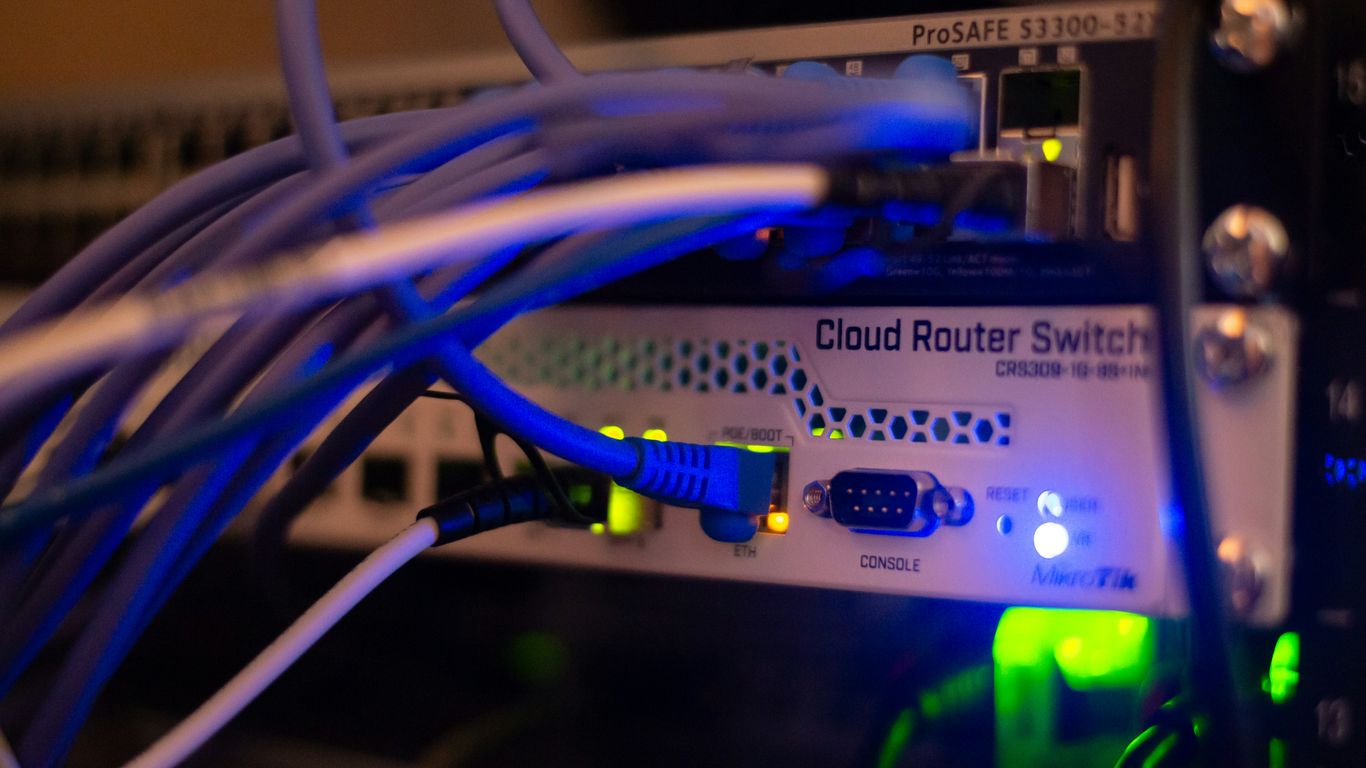
Developing a survivable architecture begins with layering defenses to ensure that a compromise in one segment does not translate into a system-wide failure. By utilizing comprehensive cyber resilience strategies, agencies can implement a structure that values operational integrity above all else.
Implementing zero trust architecture
Zero trust shifts the security focus from the network perimeter to individual identities and devices. This verification-at-every-step model ensures that even internal entities must validate their intent before accessing sensitive resources, drastically reducing the risk of lateral movement.
Network segmentation for containment
Segmentation limits the blast radius of an intrusion by cordoning off critical assets from lower-security administrative zones. For utilities and public-facing networks mentioned in guidance on cyber continuity systems, this approach prevents a minor infection from becoming a network-level collapse.
Securing identity and access management
Identity represents the most critical boundary in modern digital infrastructure. Implementing robust, multi-factor authentication and strict lifecycle management for system accounts ensures that attackers cannot leverage hijacked credentials to bypass security controls or gain administrative control.
Leveraging immutable backup solutions
Immutable backups provide a final failsafe, ensuring that even if an attacker successfully encrypts primary systems, a clean, unalterable version exists for restoration. Organizations must maintain these backups in an isolated state, tested regularly, to ensure they remain functional during actual threat scenarios.
Countering modern threat vectors in public safety
Modern threats exploit every layer of the technology stack, from simple social engineering to highly sophisticated supply chain compromises. Understanding these patterns is essential for any modern organization attempting to prepare for cyber threats by modernizing their proactive detection and response capabilities.
Defending against ransomware and data extortion
Public safety agencies face unique pressures from ransomware because their operational requirements demand 24/7 availability. Implementing a robust recovery plan is the only way to ensure that organizations do not find themselves forced into difficult decisions regarding ransom payments.
Mitigation strategies for distributed denial-of-service (DDoS)
These attacks target network availability by saturating infrastructure with traffic. Mitigation requires a multi-layered approach, typically involving traffic scrubbing services, geographic load balancing, and dedicated protective hardware.
Preventing supply chain and infrastructure compromises
Security must extend beyond internal systems to include the third-party providers that support public safety dispatch and communication loops. Organizations should evaluate their dependencies as part of a larger, systemic resilience strategy that assumes vendors may be vulnerable.
Detecting and neutralizing social engineering attempts
Attackers often use psychological manipulation to gain entry, exploiting human nature rather than security software. Modern mitigation involves a combination of technical email filtering and human training, similar to the approaches found in resources for reputation and trust recovery.
Developing effective incident response protocols

Effective response relies on clear documentation and predefined paths of escalation that remove ambiguity during a crisis. By utilizing cyber incident response guides, teams can navigate the complexities of restoration with greater consistency and speed.
Lifecycle phases of incident management
Incident management follows a structured lifecycle that includes identifying threats, isolating systems, eradicating malicious actors, and validating restoration. The phases represent a tactical progression that prevents a disorganized reaction to a critical failure.
Establishing clear communication and escalation paths
In the heat of a security event, roles must be defined beforehand to ensure that communication lines remain open and authoritative. This coordination ensures that leadership isn’t just reacting to technical noise but making informed decisions on operational continuity.
Digital forensics for root cause analysis
Forensics provides the evidence necessary to ensure that the same vulnerability is not exploited twice. A typical analysis workflow involves the following steps:
- Preservation of event logs and system memory data
- Reconstructing the timeline of unauthorized movement
- Identifying the entry vector and privilege escalation points
- Validating the containment effectiveness post-remediation
Once the root cause is established, the following metrics table demonstrates how teams track the effectiveness of these efforts:
| Operational Metric | Objective | Significance |
|---|---|---|
| Time to Detect | Minimize duration before awareness | Prevents long-term dwell time |
| Time to Contain | Stop lateral movement quickly | Limits scope of incident |
| Restoration Speed | Return to full service status | Restores public safety missions |
Rapid containment and system restoration techniques
Techniques such as automated network isolation allow personnel to disconnect affected system segments without disabling the entire dispatch infrastructure. Restoration then focuses on verifying the integrity of restored data versus backup sources.
Governance, compliance, and disaster recovery
Governance bridges the gap between technical reality and legislative requirements. Agencies must ensure that they meet regulatory and cyber insurance standards to reduce liability and maintain public trust.
Aligning with industry standards and frameworks
Standards such as NIST provide a proven baseline for security programs, ensuring that defensive efforts are consistent with broader national recommendations. This alignment simplifies auditing and improves the overall defensibility of the organization.
Integrating business continuity planning
Business continuity planning for ECCs focuses on maintaining essential service throughput regardless of digital health. It requires mapping critical functions to the specific systems that support them, creating a clear link between technical availability and dispatch outcome.
Cyber insurance as a risk transfer tool
Insurance plays a support role in managing the financial impact of breaches, particularly regarding unexpected recovery costs. However, it should never replace the fundamental necessity of a robust, internal incident response capability.
Regulatory reporting and transparency requirements
Reporting mandates demand that agencies maintain precise documentation of every incident. The ability to disclose events accurately and timely is a critical part of maintaining the public’s confidence during and after a disruption.
Strengthening resilience through human and operational rigor
Technology is only as effective as the personnel supporting it, making human behavior a primary focus for long-term security. With Switch Defense modules and training, dispatchers can become active participants in identifying emerging threats.
Security awareness for dispatch and support personnel
Training must be continuous and realistic, moving away from annual checklists to ongoing education that reflects the actual threat landscape. Dispatchers should understand exactly what a phishing attempt looks like and how to report anomalies immediately.
Tabletop exercises and simulation training
Exercises provide the stress-testing necessary to validate response plans in a controlled environment. By simulating cyber threats, teams expose gaps in their documentation or communication protocols before they manifest in a real-world emergency.
Managing change in dynamic communication environments
Change management ensures that updates and new software integrations do not inadvertently open new security vulnerabilities. Every change must be evaluated against the existing defensive baseline to maintain architectural integrity.
Leadership’s role in fostering a security-first culture
Security is a strategic priority that flows from the top down, where leadership provides the resources and support required to treat cybersecurity as a core operational competency. A pro-security culture empowers team members to speak up about risks, ultimately leading to a more resilient public safety environment.
Conclusion
Building cyber survivability into emergency systems requires a shift from reactive perimeter defense to an proactive, architecture-led approach that anticipates failure and ensures constant operational readiness. By integrating rigorous incident response with continuous organizational training, agencies can protect their mission and maintain public trust even when faced with the most complex digital disruptions. Resilience is not merely a technical achievement but a sustained commitment to ensuring that, no matter what occurs, the lifeline to the public remains unbroken.
Frequently Asked Questions
What prevents emergency networks from being fully secure?
The inherent complexity and the requirement for real-time, 24/7 availability make emergency networks prime targets, as even minor security updates can potentially impact critical service delivery.
Why is local survivability critical for cloud-based call centers?
Local survivability acts as a necessary safety net, allowing emergency dispatchers to maintain operation even if the primary cloud connection or central provider experiences a service outage.
How does zero trust improve security in public safety systems?
Zero trust removes the assumption that internal traffic is inherently safe, requiring constant verification of every access request and individual identity within the network environment.
What is the difference between disaster recovery and business continuity?
Disaster recovery focuses on rebuilding and restoring specific IT systems and data, whereas business continuity planning aims to ensure the entire function of the organization continues throughout the event.
How can human error be minimized in dispatch environments?
Minimizing human error involves implementing automation for routine tasks, providing continuous security awareness training, and designing interfaces that discourage risky decision-making.
What role does forensics play after an incident?
Forensics is vital for identifying the root cause of an incident, preserving evidence for potential legal action, and providing insights needed to improve security controls for the future.
When should an organization consider cyber insurance?
Organizations should consider cyber insurance as a financial risk transfer tool, ideally after they have established a strong baseline of internal security controls and incident response capabilities.