
So, you’re trying to figure out how to keep your systems locked down tight, right? It’s not as simple as just putting up a digital fence anymore. Things have gotten way more complicated, and attackers are getting smarter. That’s where something called microsegmentation containment architecture comes into play. Think of it like adding a lot more internal doors and security guards within your building, instead of just one big gate at the front. This whole approach is about breaking down your network into really small, isolated zones. It makes it way harder for bad actors to move around if they do manage to get in. We’ll break down the main ideas, what makes it work, and how it stops different kinds of attacks.
Key Takeaways
- Microsegmentation containment architecture is about creating small, isolated zones within your network to limit the spread of security issues.
- It relies on strict access controls, identity management, and minimizing what each part of your system can access (least privilege).
- This approach directly counters common attack methods like initial access, credential theft, and especially lateral movement.
- Advanced threats and evasion tactics are also addressed by breaking down the network and monitoring traffic closely.
- Implementing and managing this architecture requires ongoing effort, including regular checks, secure development, and good visibility into what’s happening.
Foundational Principles Of Microsegmentation Containment Architecture
When we talk about building a solid defense using microsegmentation, it’s not just about throwing up some firewalls. It’s about a mindset, a way of thinking about security that starts from the ground up. We need to establish clear boundaries, figure out who gets to go where, and make sure everyone only has the keys to the rooms they absolutely need. This is where the core ideas of containment architecture come into play.
Establishing Network Boundaries and Access Control
Think of your network like a building. You wouldn’t leave every door unlocked, right? Microsegmentation helps us create much smaller, more specific rooms within that building. Instead of just having an ‘outside’ and an ‘inside,’ we’re creating individual offices, server rooms, and even individual workstations, each with its own locked door. This means defining exactly what traffic is allowed to flow between these segments. It’s about saying, ‘This server can talk to that database, but only on this specific port, and nothing else.’ This granular control is key to stopping an attacker who might get past the main entrance from wandering freely through the entire facility. We’re essentially building a maze where each step requires explicit permission.
Implementing Least Privilege and Access Minimization
Once we’ve got our boundaries set, the next big principle is least privilege. This means that any user, application, or system should only have the bare minimum permissions needed to do its job. If an application only needs to read data from a specific table, it shouldn’t have permission to write to it or delete it. This is super important because if that application gets compromised, the damage an attacker can do is limited to just what that application could do. It’s like giving a janitor a key to the main doors and the supply closet, but not to the executive offices. We want to minimize the ‘blast radius’ of any potential breach. This also applies to how often people get access; sometimes, just-in-time access, where permissions are granted only when needed and then revoked, is the way to go.
Data Classification and Encryption Strategies
Not all data is created equal, and we need to treat it accordingly. Classifying your data based on its sensitivity – think public, internal, confidential, or highly restricted – is the first step. Once you know what you’re protecting, you can apply the right controls. For sensitive data, encryption is non-negotiable. This means encrypting data both when it’s stored (at rest) and when it’s moving across the network (in transit). Even if an attacker manages to get to the data, if it’s properly encrypted and they don’t have the keys, it’s just gibberish to them. This layered approach, combining strict access controls with strong data protection, forms the bedrock of a robust containment strategy. It’s about making sure that even if the outer walls are breached, the most valuable assets remain protected.
| Data Sensitivity Level | Example Data | Required Controls |
|---|---|---|
| Public | Marketing brochures | None |
| Internal | Employee directory | Access control |
| Confidential | Financial reports | Encryption, Access control |
| Highly Restricted | Customer PII | Encryption (at rest & in transit), Strict Access Control, Auditing |
Core Components Of A Microsegmentation Containment Strategy
Building a solid microsegmentation strategy means putting the right pieces in place. It’s not just about drawing lines on a network diagram; it’s about creating a robust defense that can actually stop threats in their tracks. Think of it like building a castle – you need strong walls, secure gates, and vigilant guards. Without these core elements, even the best-laid plans can fall apart.
Identity and Access Governance
This is where we figure out who gets to do what. It’s about making sure only the right people or systems can access specific resources. We’re talking about strong authentication, like multi-factor authentication (MFA), to really confirm someone is who they say they are. Then there’s authorization, which is about what they’re allowed to do once they’re in. If your identity systems are weak, attackers will find that an easy way in. A strong identity and access governance framework is the first line of defense. It helps prevent unauthorized access and limits the damage if an account does get compromised.
Secrets and Key Management
In today’s world, applications and systems rely on a lot of sensitive information – API keys, passwords, certificates, and encryption keys. These are often called ‘secrets’. If these secrets fall into the wrong hands, it’s like giving attackers the keys to the kingdom. Proper secrets management means storing them securely, rotating them regularly so they don’t stay the same forever, and keeping an eye on who’s using them. Exposed secrets are a direct path to system compromise.
Secure Network Architecture Design
This is about how we build the network itself to be secure from the ground up. It involves segmenting the network into smaller, isolated zones. This way, if one part gets hit, the damage is contained. We’re not just talking about big network segments either; microsegmentation takes this much further, isolating individual workloads or applications. This approach removes the old idea that everything inside the network is automatically safe. It’s about building micro-perimeters around critical assets and strictly controlling what can talk to what. A well-designed network architecture is key to limiting the spread of any potential breach.
A common mistake is assuming that once an attacker is inside the network perimeter, they can move freely. Microsegmentation directly challenges this assumption by creating granular boundaries that restrict lateral movement, making it much harder for threats to spread.
Threat Execution Pathways Mitigated By Microsegmentation
When attackers get into a network, they don’t just stop. They have a whole playbook of steps they try to follow to achieve their goals. Microsegmentation really messes with this playbook, making it much harder for them to move around and do what they want.
Limiting Initial Access Vectors
Getting into a network is the first hurdle for any attacker. They often look for the easiest way in, like exploiting a known vulnerability in a public-facing service or tricking someone into clicking a bad link. Microsegmentation helps here by shrinking the attack surface. If a system is isolated, even if it gets compromised, the damage is contained. It’s like having many small, locked rooms instead of one big open house. An attacker might get into one room, but they can’t easily get to the others.
- Reducing exposed services: By segmenting networks, you can limit which services are accessible from the outside. Not every server needs to be reachable from the internet.
- Controlling internal access: Even if an attacker is already inside, microsegmentation prevents them from easily jumping to other internal systems. Access between segments is strictly controlled.
- Minimizing trust: Instead of trusting everything inside the network perimeter, microsegmentation enforces trust at a much finer level, often down to the individual workload.
Preventing Credential and Session Exploitation
Once an attacker has some level of access, they often try to steal credentials or hijack active sessions to gain higher privileges or move to other systems. This is where identity and access management, combined with microsegmentation, really shine. If an attacker compromises an account on one segment, those stolen credentials might not be useful in another segment if the access controls are properly set up. It makes it harder for them to impersonate legitimate users across the entire network.
- Isolating sensitive systems: Critical systems that hold valuable credentials or session data can be placed in highly restricted segments, making them harder to reach even if other parts of the network are compromised.
- Limiting blast radius: If credentials are leaked from one segment, the impact is contained within that segment, preventing widespread credential reuse.
- Enforcing granular access: Microsegmentation policies can ensure that even if an account is compromised, its access is limited to only what it absolutely needs within its specific segment.
Halting Lateral Movement and Expansion
This is perhaps the most significant benefit of microsegmentation. Lateral movement is how attackers spread from one compromised system to others, escalating their access and achieving their objectives. Microsegmentation acts as a series of roadblocks. Each segment is a potential barrier, and attackers need to overcome specific policies to move between them. This significantly slows them down, increases their chances of detection, and can completely stop their progress.
Microsegmentation fundamentally changes the attacker’s journey from a wide-open highway to a maze with many locked doors. Each door requires a specific key and permission, making the path much more difficult and noisy for them to navigate.
| Attack Stage | Microsegmentation Impact |
|---|---|
| Initial Access | Reduces exposed entry points, limits initial compromise scope. |
| Credential Theft | Contains compromised credentials within a segment. |
| Lateral Movement | Creates barriers, requires explicit policy to traverse segments. |
| Privilege Escalation | Limits access to systems needed for escalation. |
| Data Exfiltration | Restricts access to data stores and egress points. |
By breaking down the network into small, isolated zones, microsegmentation makes it incredibly difficult for attackers to move freely. It forces them to fight for every inch of ground, making their operations much riskier and more detectable. This is a huge win for defense. Network segmentation is a key part of this strategy.
Advanced Attack Techniques And Microsegmentation
Attackers are always looking for new ways to get around defenses, and microsegmentation is a key part of stopping them. When we talk about advanced attacks, we’re often looking at methods that go beyond simple malware or phishing. These techniques are designed to be stealthy and persistent, making them hard to detect with traditional security tools.
Countering Exploitation and Execution
Many advanced attacks rely on exploiting software flaws or misconfigurations to run malicious code. This could be anything from a remote code execution vulnerability in a web server to a poorly secured configuration that allows an attacker to gain a foothold. Microsegmentation helps here by limiting what an attacker can reach even if they successfully exploit a system. If a server is compromised, but its network segment only allows communication with a very specific set of other systems (and only for necessary functions), the attacker’s ability to move on is severely restricted. This is about making sure that even if one part of the system is breached, the damage stays contained. It’s like having bulkheads on a ship; if one compartment floods, the whole vessel doesn’t sink.
Disrupting Persistence Mechanisms
Once attackers get in, they want to stay in. They do this by setting up persistence mechanisms – ways to maintain access even if the system reboots or the initial exploit is discovered. This can involve things like scheduled tasks, registry modifications, or even deeper system-level changes. Microsegmentation can disrupt these efforts by making it harder for the attacker to access the necessary systems or network paths to establish and maintain their persistence. For example, if an attacker needs to modify a specific system file to create a persistent backdoor, but that system is in a highly restricted segment, they might not be able to reach it. This forces attackers to use more complex, and often more detectable, methods.
Securing Against Data Staging and Exfiltration
Before attackers steal data, they often gather it in one place, compress it, and maybe encrypt it. This ‘staging’ process happens before the actual exfiltration, where the data is sent out of the network. Microsegmentation can make this much harder. By breaking down the network into small zones, it becomes difficult for an attacker to aggregate data from multiple sources into a single staging location. Each segment might have its own security controls and monitoring, making large-scale data collection a noisy and risky operation. Furthermore, strict egress filtering on network segments can prevent unauthorized data from leaving the network, even if it’s been staged. This layered approach makes the entire data theft process more difficult and more likely to be detected. It’s a critical part of enhancing blue team defense.
Advanced attack techniques often rely on the assumption of a relatively flat internal network where movement is easy. Microsegmentation directly challenges this assumption by creating granular boundaries, forcing attackers to overcome multiple layers of security and network controls to achieve their objectives. This significantly increases the effort and time required for an attack, providing more opportunities for detection and response.
Evasion Tactics And Microsegmentation Containment
Attackers are always looking for ways around security measures, and microsegmentation is no different. They try to hide their actions, move around undetected, and generally make our lives harder. It’s like a constant game of cat and mouse.
Defeating Evasion and Stealth Techniques
Attackers use a bunch of tricks to stay hidden. Think about malware that changes its own code to avoid detection, or using legitimate system tools – the ones we use every day – to carry out malicious tasks. This is often called ‘living off the land.’ It makes it really tough to tell what’s normal and what’s an attack. Microsegmentation helps here by limiting where these tools can go and what they can connect to. If a system is supposed to only talk to a specific database, and suddenly it’s trying to reach out to a bunch of other servers using PowerShell, that’s a big red flag. We can set up rules to block that kind of unexpected communication. It’s about making sure that even if they get a foothold, their ability to move and operate is severely restricted.
- Polymorphic malware: Code that changes its signature with each infection.
- Fileless malware: Malware that runs in memory, avoiding disk-based detection.
- Living-off-the-land tactics: Abusing legitimate system utilities for malicious purposes.
Microsegmentation creates small, isolated zones. If an attacker tries to use a legitimate tool in a way it shouldn’t be used, the microsegment boundaries can stop that activity from spreading or reaching sensitive areas.
Addressing Supply Chain and Infrastructure Attacks
Another big problem is when attackers go after the things we rely on – like software updates or third-party services. This is a supply chain attack. They compromise a vendor, and then that compromise spreads to all the customers. It’s a way to hit many targets at once by exploiting trust. Microsegmentation can help by isolating different parts of our infrastructure. Even if a vendor’s software on one server gets compromised, the damage is contained to that server or a very small group of related systems. It prevents a single breach in the supply chain from becoming a widespread disaster across our entire network. We need to be really careful about what each part of our network is allowed to talk to, especially when it involves external services or software updates. This is where understanding the attack lifecycle becomes important.
Here’s a look at how segmentation helps:
| Attack Type | How Microsegmentation Helps |
|---|---|
| Compromised Software Update | Isolates the affected system, preventing malware from spreading to other servers. |
| Third-Party Service Breach | Limits the communication channels between our systems and the compromised third-party service. |
| Infrastructure Compromise | Contains the breach to specific segments, reducing the blast radius of the attack. |
It’s not a magic bullet, of course. Attackers are clever. They might try to use covert channels to sneak data out, or find ways to exploit the very segmentation we put in place. But by layering our defenses and constantly watching what’s happening, we can make it much harder for them to succeed. Continuous monitoring and adapting our policies are key to staying ahead.
Incident Response And Microsegmentation
When a security incident happens, how you react can make a big difference. Microsegmentation plays a key role here, especially in the containment and isolation phases. It’s not just about preventing attacks; it’s about limiting the damage when they do occur. Think of it like fire doors in a building – they stop a small fire from spreading everywhere.
Phased Incident Response Lifecycle
An incident response plan usually follows a set of steps. Microsegmentation directly impacts how effectively you can execute these steps, particularly early on.
- Detection: Spotting that something is wrong. This could be an alert from your security tools or unusual activity noticed by your team.
- Containment: This is where microsegmentation really shines. The goal is to stop the incident from spreading.
- Eradication: Getting rid of the threat entirely.
- Recovery: Getting systems back to normal.
- Review: Figuring out what happened and how to prevent it next time.
The faster you can contain an incident, the less damage it can do. Microsegmentation provides the granular controls needed to isolate specific parts of your network or applications quickly, preventing attackers from moving freely.
Immediate Containment and Isolation Strategies
When an alert fires, time is critical. You need to act fast to prevent an incident from becoming a full-blown breach. Microsegmentation allows for very specific actions:
- Network Isolation: You can instantly cut off network traffic to and from a compromised system or segment. This stops malware from spreading or attackers from communicating with their command and control servers.
- Application Isolation: If a specific application is compromised, you can isolate just that application’s workload, leaving other parts of the system unaffected. This is a big step up from just shutting down an entire server.
- Policy Enforcement: You can dynamically apply stricter access policies to affected areas. For example, blocking all inbound connections except for essential management traffic. This is a way to quickly limit what an attacker can do even if they’re already inside a segment.
These strategies are much more effective when you have well-defined micro-perimeters in place. It means you’re not just reacting blindly; you’re applying precise controls based on the architecture you’ve already built. This kind of targeted response minimizes operational disruption while maximizing security impact. For more on how security operations centers use automation for containment, check out SOC orchestration.
| Phase | Microsegmentation Role | Example Action |
|---|---|---|
| Detection | Provides granular visibility for faster alert validation | Correlating network flows with endpoint telemetry to confirm a threat |
| Containment | Enables rapid, precise isolation of affected assets | Blocking all traffic to/from a compromised server, except for security tools |
| Eradication | Helps prevent reinfection by isolating systems during cleanup | Ensuring a compromised workload cannot reach other systems during remediation |
| Recovery | Protects restored systems by maintaining strict policies | Reapplying microsegmentation policies to newly rebuilt or cleaned systems |
Operationalizing Microsegmentation Containment Architecture
Getting microsegmentation to actually work in practice, day in and day out, is where the rubber meets the road. It’s not just about setting up the rules once and forgetting about them. You’ve got to keep things updated and make sure everything is running smoothly. This means paying attention to the details, like how you handle software updates and what configurations are in place.
Patch Management and Configuration Control
Keeping systems patched and configurations locked down is a big part of making microsegmentation stick. If you’ve got unpatched software or systems that are configured incorrectly, those become weak spots. Attackers love to find those. So, you need a solid process for patching things quickly and making sure systems are set up the right way from the start. Automation really helps here, making sure updates happen consistently and configurations don’t drift off course. It’s about reducing the chances for someone to sneak in through a known hole.
| Component | Frequency | Responsibility |
|---|---|---|
| Operating System Patches | Weekly | IT Operations |
| Application Updates | Monthly | Application Teams |
| Firewall Rule Reviews | Quarterly | Security Operations |
| Configuration Audits | Bi-Weekly | Compliance Team |
Secure Software Development Practices
When you’re building new applications or services, security needs to be part of the plan from the very beginning. This isn’t just for the final product; it’s about how you write the code, how you test it, and what libraries you use. If you build security in from the start, you avoid a lot of problems down the line. Think of it like building a house – you wouldn’t want to find out the foundation is weak after the walls are up. Integrating security into the development lifecycle, often called DevSecOps, means everyone is thinking about security, not just the security team. This helps reduce vulnerabilities before they ever get into your production environment.
Application Security Testing Integration
Even with secure development practices, you still need to test your applications. This means running checks to find any security weaknesses that might have slipped through. You can do this in a few ways: looking at the code itself (static analysis), testing the running application (dynamic analysis), or even interactive testing. Regularly testing your applications helps catch flaws early. It’s a way to verify that your microsegmentation policies are actually working as intended for each specific application. If an application has a vulnerability, your segmentation should still keep it contained. This is a key part of an overall enterprise security architecture.
Keeping your microsegmentation effective means treating it like any other critical system. It needs ongoing attention, regular checks, and updates to stay strong against new threats. Ignoring it is like building a fence and then never checking if it’s still standing.
Cloud And Virtualization Security With Microsegmentation
When we talk about cloud and virtualization, things get a bit more complex, right? It’s not just about servers in a rack anymore. Microsegmentation plays a big role here, helping to keep things locked down even when the infrastructure is dynamic and shared. Think about it: in the cloud, you’ve got workloads running on shared hardware, and virtualization adds another layer. Without proper controls, a breach in one spot could easily spread. That’s where microsegmentation shines, creating those tiny, isolated zones.
Cloud Security Controls and CASB Implementation
Cloud environments, by their nature, have a different security perimeter than traditional on-premises setups. You’re dealing with shared responsibility models, APIs, and a lot of dynamic resource provisioning. Microsegmentation helps enforce boundaries between these cloud workloads. It’s like putting up fences around individual houses on a shared piece of land. Cloud Access Security Brokers (CASBs) are also super important here. They give you visibility into what’s happening with your cloud services and help enforce policies. They can spot risky behavior or unauthorized data access, which is pretty handy.
- CASBs help enforce policies and detect risky behavior across cloud environments.
- They provide visibility into cloud service usage.
- CASBs can help protect data in transit and at rest within cloud applications.
Container Security and Virtualization Isolation
Containers and virtual machines (VMs) are the building blocks for a lot of modern applications. Each container or VM is essentially its own little environment. Microsegmentation allows us to treat each of these as a separate security domain. This means if one container gets compromised, the attacker can’t just hop over to another one easily. It really limits the blast radius of an incident. For virtualization, it’s about isolating the guest operating systems from each other and from the host. This prevents issues like hypervisor escapes or lateral movement between VMs on the same host. It’s all about making sure that a problem in one isolated environment doesn’t become a problem for everything else. This is especially critical when you consider the risks associated with securing space assets which often rely heavily on cloud and virtualized infrastructure.
The dynamic nature of cloud and virtualized environments means traditional security perimeters are less effective. Microsegmentation provides a granular approach to isolation, treating individual workloads or containers as distinct security zones. This significantly reduces the attack surface and limits the potential impact of a breach.
Here’s a quick look at how it helps:
- Isolates individual containers and VMs: Prevents lateral movement between them.
- Enforces granular policies: Controls communication between specific workloads.
- Reduces the attack surface: Limits exposure by segmenting resources.
- Supports compliance: Helps meet regulatory requirements for data protection and isolation.
Visibility And Monitoring In Microsegmentation
You can’t really protect what you can’t see, right? That’s where visibility and monitoring come into play with microsegmentation. It’s not enough to just set up these small network boundaries; you need to know what’s happening inside them and between them. Without good visibility, you’re basically flying blind, and that’s a recipe for disaster.
Security Telemetry and Event Correlation
Think of security telemetry as the eyes and ears of your microsegmented environment. It’s all the data you collect – logs from servers, network traffic flow, application activity, even endpoint behavior. This raw data, when collected and analyzed together, tells a story. Correlation is key here; it’s about connecting the dots between seemingly unrelated events to spot something suspicious. For instance, a failed login attempt on one server, followed by unusual network traffic from that same server to another segment, might indicate an attacker trying to move around. Without correlating these events, you might just see a couple of minor alerts and miss the bigger picture. It’s like trying to solve a puzzle with only a few pieces – you can’t see the whole image.
- Log Aggregation: Gathering logs from all segmented workloads and network devices into a central location.
- Network Flow Analysis: Monitoring traffic patterns between segments to identify unauthorized or anomalous communication.
- Behavioral Analytics: Establishing baselines of normal activity for workloads and flagging deviations.
- Alerting and Notification: Setting up alerts for specific correlated events that indicate potential security incidents.
Inadequate Logging and Monitoring Mitigation
It’s a common problem: organizations invest in microsegmentation but then fail to properly log and monitor the traffic within and between these segments. This creates blind spots. Attackers can exploit these gaps, moving undetected for extended periods. If you don’t have the right data, you can’t detect threats, and you certainly can’t respond effectively. It’s like having a state-of-the-art security system for your house, but forgetting to connect it to the alarm company. The system might be there, but it’s not doing its job.
The effectiveness of any security architecture, including microsegmentation, hinges on the ability to observe and understand its operation. Without robust logging and continuous monitoring, the intended benefits of containment and reduced attack surface can be significantly undermined, leaving organizations vulnerable to threats that operate within these perceived secure zones.
Here’s a quick look at what happens when logging and monitoring fall short:
| Issue | Impact on Microsegmentation |
|---|---|
| Missing Log Sources | Inability to see traffic or activity within specific segments. |
| Poor Log Retention | Difficulty in performing forensic analysis after an incident. |
| Lack of Correlation Rules | Individual alerts are missed, leading to undetected threats. |
| Insufficient Alert Tuning | Alert fatigue or missed critical security events. |
| Unmonitored Inter-Segment Traffic | Attackers can move between segments without detection. |
To combat this, organizations need to focus on comprehensive telemetry that captures relevant security events. This means ensuring all systems are configured to log appropriately and that these logs are sent to a central analysis platform, like a SIEM. Regular reviews of monitoring configurations and alert thresholds are also vital to ensure they remain effective and adapt to changes in the environment. Detecting security control drift is also a key part of this, making sure your microsegments are still doing what they’re supposed to be doing.
Risk Management And Microsegmentation
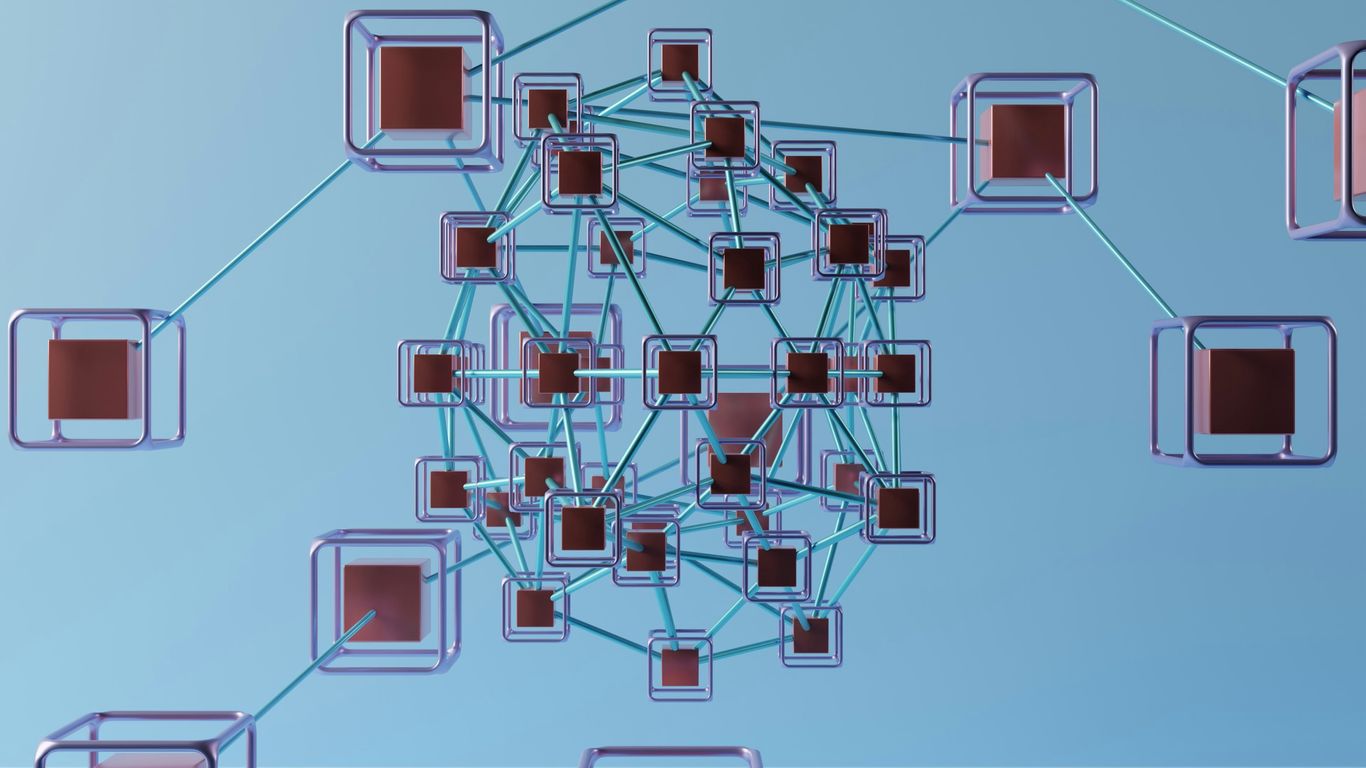
When we talk about risk management in the context of microsegmentation, it’s really about getting smart about where our biggest dangers lie and then using microsegmentation to shrink those dangers down. Think of it like this: instead of one big, open field where a single problem can spread everywhere, microsegmentation carves that field into lots of small, fenced-off yards. If something goes wrong in one yard, it’s much harder for it to jump into the next.
Attack Surface Reduction Through Segmentation
One of the main ways microsegmentation helps with risk is by simply making the ‘attack surface’ smaller. The attack surface is basically all the places an attacker could try to get in or move around. By breaking down a network into tiny segments, each with its own specific rules about what can talk to what, we drastically cut down the number of potential entry points and pathways. If a server in one segment gets compromised, it can’t just reach out to servers in other segments without explicit permission. This isolation is key. It means a problem that starts in, say, a development environment, is much less likely to spill over into a production environment. We’re essentially building more walls to keep trouble contained.
Security Frameworks and Zero Trust Models
Microsegmentation fits really well into modern security ideas like Zero Trust. The whole point of Zero Trust is that you don’t automatically trust anything, even if it’s already inside your network. Every single connection, every request, needs to be verified. Microsegmentation is the technical backbone that makes Zero Trust practical. It allows us to enforce those strict verification rules at a very granular level, segment by segment. We’re not just relying on a perimeter firewall anymore; we’re putting security controls right where they’re needed, around each workload or application. This approach aligns with frameworks that guide us to build security in layers, rather than relying on a single point of defense. It’s about assuming compromise is possible and designing systems to limit the damage when it happens.
Third-Party Risk Management
We often work with other companies, right? Vendors, partners, service providers – they all have access to parts of our systems or data. This is a big source of risk because their security might not be as strong as ours. Microsegmentation can help manage this third-party risk. We can create very specific, limited segments for third-party access. So, if a vendor’s system gets breached, the damage is contained to only the segment they were allowed to access, and they can’t easily move into our core systems. It’s like giving a visitor a specific room to work in, rather than letting them wander the whole house. This controlled access significantly reduces the chance that a weakness in a partner’s security will become our problem.
Here’s a quick look at how microsegmentation helps manage different types of risk:
| Risk Area | How Microsegmentation Helps |
|---|---|
| Lateral Movement | Limits attacker ability to move between systems once inside. |
| Initial Access | Restricts what compromised initial entry points can reach. |
| Insider Threats | Contains actions of malicious or compromised internal users. |
| Third-Party Access | Isolates vendor/partner access to specific, limited segments. |
| Ransomware Spread | Prevents rapid, widespread encryption across the network. |
Ultimately, microsegmentation isn’t just a technical control; it’s a strategic risk management tool. It forces us to think critically about data flows and access needs, leading to a more secure and resilient environment by design. It’s about being proactive rather than just reactive when threats emerge.
Best Practices For Microsegmentation Containment
When you’re setting up microsegmentation, there are a few things that really make a difference in keeping things locked down. It’s not just about putting up walls; it’s about making sure those walls are smart and that only the right people and systems can get through.
Implementing Least Privilege Across All Systems
This is a big one. Think about it like giving out keys. You wouldn’t give everyone a master key to the whole building, right? The same applies here. Every application, every service, every user should only have access to exactly what they need to do their job, and nothing more. This means carefully defining roles and permissions. If a server only needs to talk to one other server for a specific task, then that’s all the network access it should have. This minimizes the potential damage if one part gets compromised. It’s about reducing the attack surface by cutting down on unnecessary connections and permissions. We need to be really strict about this, not just for servers but for user accounts too. No more broad access that nobody really uses but keeps around ‘just in case’.
Leveraging Identity and Access Management Tools
To actually make least privilege work, you need good tools. Identity and Access Management (IAM) systems are your best friends here. They help you keep track of who or what is trying to access something and what they’re allowed to do. This includes things like multi-factor authentication (MFA) to make sure it’s really you, and role-based access control (RBAC) to assign permissions based on job functions. When you combine these tools with your segmentation strategy, you create a much stronger defense. It’s about having a clear, auditable way to manage who has access to what, and making sure that access is granted only when needed. This helps prevent unauthorized access and makes it easier to spot suspicious activity. A solid IAM setup is key to effective deception environment security.
Continuous Monitoring and Network Assessments
Setting up microsegmentation isn’t a ‘set it and forget it’ kind of deal. The threat landscape changes, your applications change, and your network needs change. You have to keep an eye on things. This means continuous monitoring to see what traffic is flowing between your segments and if anything looks out of place. Are systems talking to each other in ways they shouldn’t be? Are there unexpected connection attempts? Regular network assessments are also important. These are like check-ups for your network security. They help you find weak spots, misconfigurations, or areas where your segmentation might not be as effective as you thought. It’s about staying proactive and making sure your containment strategy stays strong over time. This kind of vigilance is critical for effective security breach containment.
The goal is to build a defense that assumes compromise is possible, rather than one that relies solely on preventing it. By segmenting your network and strictly controlling access, you limit the blast radius of any security incident, making it easier to isolate and deal with threats before they spread.
Wrapping Up: Microsegmentation as a Core Defense
So, we’ve talked a lot about how microsegmentation fits into the bigger picture of keeping things secure. It’s not just some fancy tech buzzword; it’s really about building smarter defenses from the ground up. By breaking down networks into smaller, more manageable pieces and controlling exactly what can talk to what, we make it way harder for bad actors to move around if they do get in. Think of it like putting up a lot of small walls instead of just one big fence. This approach, especially when combined with other good security practices like strong identity checks and keeping software updated, really strengthens your overall security posture. It’s about being proactive and making sure that even if one part of your system has a problem, it doesn’t bring everything else down with it. It’s a solid way to build resilience.
Frequently Asked Questions
What is microsegmentation and why is it important for security?
Microsegmentation is like building tiny, secure rooms inside your computer network instead of just having one big open space. It helps stop bad actors from moving around easily if they get into one part of the network. Think of it as putting strong locks on every door and window, not just the front door.
How does microsegmentation help stop hackers?
If a hacker breaks into one ‘room’ (a segment), microsegmentation makes it really hard for them to get into other rooms. It limits where they can go, like a maze with locked doors. This stops them from reaching important data or controlling more systems.
What are the basic ideas behind microsegmentation?
The main ideas are to create clear boundaries, give people and systems only the access they absolutely need (like only giving a key to the room they work in), and to know what kind of information you have so you can protect the most important stuff better.
What are the main parts of a microsegmentation plan?
You need systems to manage who can access what (like digital IDs), ways to keep passwords and secret codes safe, and a smart design for your network that separates things into small, secure zones.
Can microsegmentation stop hackers from moving around after they get in?
Yes, that’s one of its biggest strengths! It’s designed to stop hackers from moving from one system to another, which is called ‘lateral movement.’ It makes their journey through your network much harder and slower.
How does microsegmentation help protect data?
By dividing the network, microsegmentation makes it harder for attackers to reach sensitive data. It also works with other security measures like encryption, which scrambles data so it’s unreadable if stolen.
What happens if there’s a security problem? How does microsegmentation help?
If a problem happens, microsegmentation helps you quickly lock down the affected area. This stops the problem from spreading to other parts of your network, making it easier to fix and recover.
Is microsegmentation something you set up once and forget?
No, it’s an ongoing process. You need to keep checking that your security rules are still correct, update them as your network changes, and constantly watch for any unusual activity. It’s like regularly checking that all your locks are still working properly.