
Dealing with a data breach is tough. You’ve got to figure out what happened, who to tell, and how to stop it from happening again. That’s where regulatory breach notification systems come in. These systems are basically the tools and processes that help organizations manage all the complicated steps involved when a data security incident occurs, especially when laws say you have to tell people. It’s not just about sending an email; it’s a whole process that needs to be thought out and ready to go before anything bad happens.
Key Takeaways
- Regulatory breach notification systems are key for managing incidents that require legal reporting.
- These systems help identify breaches, figure out what data is involved, and automate parts of the response.
- Good systems connect with other security tools for better detection and faster response.
- Clear communication plans are built-in for informing regulators, customers, and partners.
- Regular review and updates are needed to keep these systems effective against new threats and rules.
Understanding Regulatory Breach Notification Systems
In today’s digital world, data breaches are unfortunately a common occurrence. When sensitive information is compromised, organizations aren’t just facing technical challenges; they’re also dealing with a complex web of legal and regulatory obligations. This is where regulatory breach notification systems come into play. These systems are designed to help companies manage the process of informing the right people when a breach happens, and they’re becoming increasingly important.
The Evolving Regulatory Landscape
The rules around data breaches are constantly changing. Different industries and regions have their own specific requirements, making it tough to keep up. For instance, laws like GDPR in Europe and CCPA in California set strict guidelines for how data must be protected and when individuals and authorities need to be notified if something goes wrong. Staying on top of these evolving requirements is a big part of the job.
- Key areas of regulatory focus include:
- Data protection standards
- Timelines for reporting incidents
- What information must be disclosed
- Penalties for non-compliance
Key Components of Notification Systems
At their core, these systems need to do a few things well. First, they have to help identify and assess a potential breach quickly. This involves gathering information about what happened, how widespread it is, and what kind of data might be affected. Then, the system needs to help figure out the severity and the potential impact. This often means classifying the data involved to understand its sensitivity. Finally, a good system will automate as much of the notification process as possible, from internal alerts to external communications, to make sure deadlines are met.
Legal and Compliance Obligations
Failing to notify regulators or affected individuals properly can lead to significant fines and reputational damage. Organizations must understand their specific legal duties, which often depend on the type of data breached and the location of the individuals affected. This means having clear processes in place to meet these obligations, which often involves coordinating with legal counsel and ensuring all documentation is accurate and complete. Adhering to these legal requirements is not optional; it’s a fundamental part of responsible data stewardship.
Understanding and implementing effective breach notification systems is no longer just an IT concern. It’s a critical business function that requires cross-departmental collaboration, including legal, compliance, and communications teams. The goal is to minimize harm to individuals and the organization when the inevitable happens.
Core Functionalities of Breach Notification Systems
When a security incident happens, you can’t just sit around and hope for the best. You need systems in place that can actually do something. These systems are the engine that drives your response, making sure you’re not just reacting but acting with a plan. They help sort out what’s going on, figure out how bad it is, and get the right people involved without a lot of wasted time.
Incident Identification and Triage
The first step in dealing with any security problem is figuring out that it is a problem and how serious it might be. This means looking at alerts from your security tools and deciding if they’re real threats or just noise. It’s about quickly separating the actual incidents from the false alarms so your team doesn’t waste time chasing ghosts. Getting this right means you can focus your efforts where they’re needed most. Accurate identification prevents overreaction or under-response and guides appropriate containment strategies.
- Alert Validation: Confirming if an alert represents a genuine security event.
- Scope Determination: Figuring out which systems or data are affected.
- Severity Assessment: Ranking the incident based on potential impact.
- Classification: Categorizing the incident type (e.g., malware, unauthorized access).
Data Classification and Sensitivity
Not all data is created equal, right? Some of it is super sensitive, like customer personal information or financial records, while other stuff is less critical. Your notification system needs to know the difference. It should be able to tag data based on how sensitive it is. This helps you understand the potential damage if that data gets out and guides how you handle the incident. Knowing what data is involved is key to meeting legal requirements. Data classification helps protect sensitive information.
Automated Workflow and Escalation
Once an incident is identified and its severity is known, things need to start moving. This is where automation comes in. Workflows can automatically trigger the next steps, like notifying specific teams or opening a ticket. If an incident is particularly serious, it needs to get escalated quickly to higher levels of management or specialized teams. This ensures that the right people are involved at the right time, without manual delays. It’s like a chain reaction, but a good one, moving things forward efficiently.
- Automated Task Assignment: Routing tasks to the correct personnel.
- Escalation Paths: Defining triggers for involving senior management or incident response teams.
- Status Tracking: Monitoring the progress of incident response activities.
- Notification Triggers: Automatically alerting relevant parties based on incident type and severity.
Detection and Monitoring Capabilities
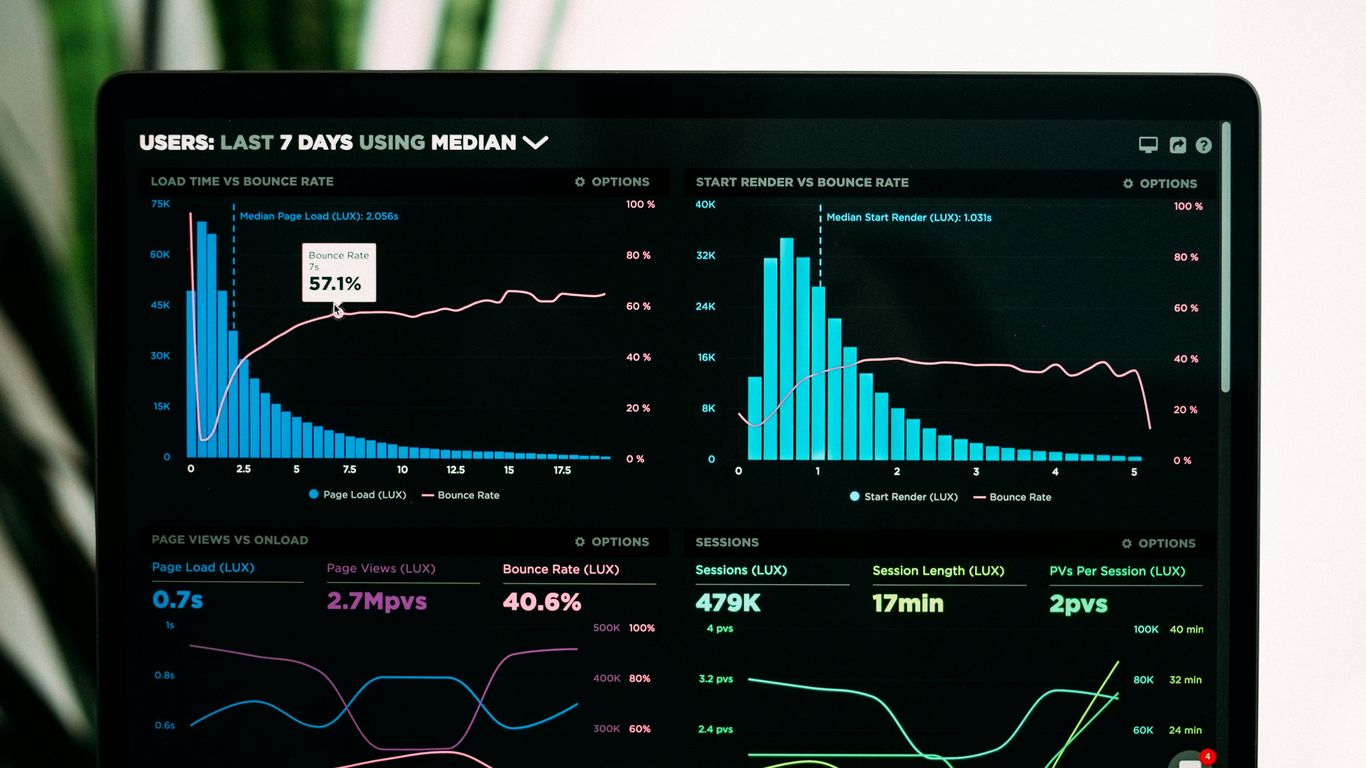
Keeping an eye on your systems is pretty important, right? It’s not enough to just put up defenses; you need to know if someone’s trying to get past them. This is where detection and monitoring come in. Think of it like having security cameras and motion sensors all over your property. They’re constantly watching for anything out of the ordinary.
Continuous Monitoring Strategies
This isn’t a set-it-and-forget-it kind of deal. Continuous monitoring means your systems are always being watched, all the time. It’s about having a constant stream of information coming in so you can spot trouble as it happens, not days or weeks later. This involves looking at logs from all sorts of places – servers, networks, applications, even user activity. The goal is to build a baseline of what ‘normal’ looks like so you can quickly flag anything that deviates.
- Log Collection and Analysis: Gathering event data from every corner of your IT environment.
- Network Traffic Analysis: Watching data flow to spot unusual patterns or unauthorized access attempts.
- Endpoint Activity Monitoring: Keeping tabs on what’s happening on individual computers and servers.
- User Behavior Analytics (UEBA): Looking for odd actions by users that might indicate a compromised account.
Anomaly-Based Detection Techniques
Sometimes, attackers use methods we haven’t seen before. That’s where anomaly detection shines. Instead of looking for known bad stuff (like a virus signature), it looks for anything that’s just… weird. It’s like noticing a car parked on your street that’s never been there before, at 3 AM. These techniques establish a baseline of normal activity and then alert you when something significantly different occurs. While great for spotting new threats, they do require careful tuning to avoid too many false alarms. This kind of detection is key for identifying unknown threats.
Anomaly detection is particularly useful for uncovering novel threats that signature-based methods might miss. It requires a solid understanding of your environment’s typical behavior to effectively distinguish between normal fluctuations and genuine security events.
Threat Intelligence Integration
Knowing what’s happening in the wider world of cyber threats is a huge advantage. Threat intelligence feeds you information about known bad actors, their tactics, techniques, and procedures (TTPs), and indicators of compromise (IoCs) like malicious IP addresses or file hashes. By integrating this intelligence into your monitoring systems, you can proactively look for these known threats. It’s like getting a daily briefing on who the burglars are and what tools they’re using, so you can be on the lookout. This helps you stay ahead of the curve and react faster when threats emerge.
| Threat Intelligence Source | Data Provided |
|---|---|
| Open Source Feeds | Known malicious IPs, domains, malware hashes |
| Commercial Feeds | Advanced TTPs, actor profiles, targeted intel |
| Government Alerts | Emerging threats, critical vulnerabilities |
Integrating these feeds means your detection systems can be more informed and effective, reducing the chances of a breach going unnoticed. It’s a vital part of a robust cybersecurity detection strategy.
Incident Response Integration
When a security incident happens, it’s not just about finding the problem; it’s about fixing it fast and making sure it doesn’t happen again. This is where integrating your breach notification system with your incident response (IR) plan becomes really important. Think of it like a well-oiled machine where each part knows what to do when something goes wrong.
Seamless Integration with Incident Response Lifecycles
Your breach notification system shouldn’t be a standalone tool. It needs to work hand-in-hand with your overall incident response process. This means that when an incident is detected and confirmed, the notification system should automatically kick into gear, or at least provide the necessary data to trigger the right notifications. This helps avoid delays, which can be costly. The goal is to have a smooth flow from detection to containment, eradication, and finally, recovery. Having clear procedures for incident identification and classification is key here, as it helps determine the scope and urgency of notifications.
Containment and Eradication Support
While the notification system’s main job is communication, it can also support the containment and eradication phases. For example, if certain systems or data are confirmed to be compromised, this information can be fed back into the IR process to help prioritize containment efforts. Knowing what data is affected helps in deciding how to isolate systems or block access. It’s about making sure everyone involved has the right information to act quickly and effectively. This also means having clear communication channels established so that teams can coordinate their actions without confusion.
Forensic Investigation and Evidence Preservation
After an incident, digital forensics is often needed to figure out exactly what happened, how it happened, and who was involved. Your breach notification system needs to be able to support this by preserving relevant logs and data. It’s important that any data collected for notification purposes is also handled in a way that maintains its integrity for forensic analysis. This means following proper procedures for evidence handling to ensure it’s admissible if legal action is taken. The integrity of evidence is paramount for both regulatory compliance and potential legal proceedings.
Here’s a quick look at how different parts of the IR lifecycle connect:
| IR Phase | Notification System Role |
|---|---|
| Detection | Triggers initial alerts and data gathering for notification. |
| Containment | Provides context on affected data/systems for isolation. |
| Eradication | Supports communication during remediation efforts. |
| Recovery | Facilitates updates on system restoration status. |
| Review | Provides data for post-incident analysis and lessons learned. |
Integrating your notification system with your incident response plan means that when an incident occurs, the right people are informed quickly and accurately. This coordination helps minimize damage and speeds up the recovery process, making sure that legal and regulatory obligations are met without unnecessary delays.
Communication and Stakeholder Management
When a data breach happens, how you talk about it is almost as important as what you do to fix it. It’s not just about telling people what went wrong; it’s about managing expectations, maintaining trust, and meeting legal duties. This means having a clear plan for who needs to know what, and when.
Internal and External Communication Protocols
Keeping everyone in the loop, both inside and outside the company, is key. Internally, this means making sure leadership, legal teams, and the incident response team are all on the same page. Externally, it involves preparing statements for customers, partners, and potentially the public. A well-defined communication plan reduces confusion and prevents misinformation during a stressful event. This plan should outline:
- Designated spokespersons: Who is authorized to speak on behalf of the organization.
- Communication channels: How information will be shared (e.g., email, press releases, website updates).
- Escalation procedures: When and how to involve senior leadership or legal counsel.
- Pre-approved messaging templates: For common scenarios to speed up response.
Regulatory Disclosure Management
Different laws have different rules about when and how you have to tell regulators about a breach. It’s a complex area, and getting it wrong can lead to fines. You need to know which regulations apply to your data and your customers, and what the specific notification timelines are. For instance, some laws require notification within 72 hours, while others are more flexible. Keeping track of these requirements is a big job, and often requires specialized tools or legal advice. Understanding these jurisdictional notification requirements is non-negotiable.
Customer and Partner Notification
Your customers and partners are directly affected by a breach, and their trust is on the line. When notifying them, be clear, honest, and provide actionable advice. Explain what happened, what data was involved, and what steps you are taking to protect them. Offering support, like credit monitoring if personal information was compromised, can go a long way. For partners, especially those whose own systems might be at risk due to your breach, clear communication is vital for coordinated response and managing shared responsibilities. It’s also important to consider how third-party vendors might be involved, as a breach in their systems could impact your own operations and data, a risk that needs careful assessment before it happens.
Clear, consistent, and timely communication is not just a best practice; it’s a legal and ethical obligation. It helps manage the immediate crisis, rebuild trust, and demonstrate accountability to all affected parties.
Legal and Compliance Frameworks
Navigating the legal and compliance side of things after a breach can feel like a maze. It’s not just about fixing the technical issue; it’s about understanding what rules you need to follow and what your obligations are to various authorities and individuals. This is where a solid understanding of the legal and compliance frameworks comes into play.
Adherence to Data Protection Laws
Different regions and countries have their own specific rules about how personal data must be handled and protected. For instance, the General Data Protection Regulation (GDPR) in Europe sets strict guidelines for data privacy and breach notifications. Organizations must be acutely aware of the data protection laws relevant to their operations and the locations of their customers. Failing to comply can lead to significant fines and reputational damage. This means knowing what constitutes personal data, how it can be processed, and what steps are required if that data is compromised. It’s a complex area, and staying updated is key.
Jurisdictional Notification Requirements
When a breach happens, who you need to tell, and when, often depends on where you and your affected individuals are located. Notification requirements can vary wildly. Some laws might require notification within 72 hours, while others give you more time. The type of data compromised can also trigger different notification rules. It’s not a one-size-fits-all situation. You might need to notify:
- Specific regulatory bodies (like data protection authorities).
- Affected individuals whose data was exposed.
- Sometimes, even law enforcement agencies.
Understanding these varied requirements is critical to avoid penalties. It often involves a detailed assessment of the breach’s scope and the jurisdictions involved. For example, a breach affecting US citizens might have different reporting needs than one affecting Canadian citizens, even if the company is based elsewhere. This is why having a clear plan for assessing vendor compliance is also important, as third-party involvement can add layers of complexity to these jurisdictional rules.
Audit Trails and Reporting
Keeping detailed records of everything that happens during and after a breach is not just good practice; it’s often a legal requirement. This includes logs of detected incidents, the steps taken to contain and investigate them, communications sent out, and any remediation actions performed. These audit trails are vital for several reasons:
- Demonstrating Compliance: They provide evidence to regulators that you followed the required procedures.
- Supporting Investigations: They help in understanding how the breach occurred and identifying weaknesses.
- Facilitating Legal Defense: In case of litigation, these records can be crucial.
Effective reporting, based on these trails, helps leadership understand the organization’s security posture and the impact of incidents. It’s about accountability and continuous improvement, making sure that lessons learned are documented and acted upon. Without proper documentation, proving your actions and adherence to regulations becomes incredibly difficult, potentially leading to increased liability due to exploited vulnerabilities.
System Architecture and Design
When you’re building a system for regulatory breach notification, the architecture really matters. It’s not just about having the right features; it’s about how those features are put together so they work reliably, especially when things go wrong. Think of it like building a house – you need a solid foundation and a good layout, not just pretty decorations.
Scalability and Performance Considerations
One of the first things to think about is scalability. Can your system handle a sudden surge in alerts or notifications? A major breach can generate a lot of activity all at once. You don’t want your system to slow down or crash when you need it most. This means choosing technologies that can grow with your needs and perform well under pressure. Performance isn’t just about speed; it’s about reliability. We need systems that can keep up, no matter the load.
- Handling High Alert Volumes: Design for peak loads, not just average usage.
- Efficient Data Processing: Ensure quick analysis and routing of incident data.
- Resource Management: Plan for dynamic scaling of computing and storage resources.
Data Security and Access Control
Since these systems deal with sensitive information about potential breaches, security is paramount. Who can see what? How is the data protected? You need strong access controls to make sure only authorized personnel can access breach details. This often involves role-based access, multi-factor authentication, and strict auditing of who did what and when. It’s about keeping the sensitive information within the system secure from unauthorized eyes.
- Role-Based Access Control (RBAC): Grant permissions based on job function.
- Encryption: Protect data both in transit and at rest.
- Audit Trails: Log all access and actions for accountability.
Protecting the data within the notification system is just as important as protecting the data that was breached in the first place. A compromise of the notification system itself could have severe consequences.
Resilient Infrastructure for Notification Systems
Finally, resilience is key. What happens if the primary system goes down? A breach notification system needs to be available even during a major incident. This involves building redundancy into the infrastructure, having backup systems, and planning for disaster recovery. The goal is to make sure the notification process can continue uninterrupted, even if parts of your IT environment are affected by the incident itself. Having a robust network security architecture can help contain issues and maintain operational integrity.
- Redundancy: Implement failover mechanisms for critical components.
- Disaster Recovery Planning: Have a clear plan to restore services if a major outage occurs.
- Geographic Distribution: Consider deploying systems across multiple locations to avoid single points of failure.
Third-Party Risk and Vendor Management

When we talk about security, it’s easy to get tunnel vision and only focus on what’s happening inside our own digital walls. But here’s the thing: a lot of us rely on other companies for services, software, or even just to store our data. This is where third-party risk management comes into play, and it’s a pretty big deal when it comes to breach notifications.
Assessing Vendor Compliance
Before a breach even happens, you need to know who you’re working with and what their security looks like. It’s not enough to just trust that a vendor is doing the right thing. You have to actively check. This means looking at their security policies, checking if they follow industry standards, and understanding how they handle data. Think of it like hiring a contractor for your house – you wouldn’t just let anyone in without checking their references, right? The same applies here. We need to make sure our vendors are up to snuff.
- Due Diligence: This is the initial check. What security certifications do they have? Have they had breaches before? How do they respond to incidents?
- Contractual Agreements: Your contracts should clearly state security requirements, notification timelines, and responsibilities in case of a breach. This is your legal safety net.
- Ongoing Monitoring: Security isn’t a one-time check. You need to keep an eye on your vendors. Are they updating their systems? Are there any new risks associated with them?
Managing Third-Party Incidents
So, what happens when a vendor you work with has a security incident? It’s not just their problem anymore; it’s yours too, especially if their breach affects your data or your customers. You need a plan for this. This involves figuring out what happened, how it impacts you, and what needs to be done to contain the damage. It’s a bit like dealing with a problem that’s happening next door but could easily spill over into your yard.
When a third-party incident occurs, the immediate focus should be on understanding the scope of impact on your organization and its data. This requires clear communication channels with the vendor and a pre-defined incident response plan that includes third-party scenarios. The goal is to limit the spread of the compromise and protect your own assets and customers.
Contractual Obligations in Breach Scenarios
Your contracts with vendors are super important here. They should spell out exactly what happens if there’s a breach. This includes:
- Notification Timelines: How quickly does the vendor have to tell you if they’ve been breached?
- Information Sharing: What details will they provide about the incident?
- Cooperation: How will they help you investigate and respond?
- Liability: Who is responsible for what costs and damages?
Understanding these contractual obligations is key to managing the fallout and meeting your own regulatory notification requirements. It’s about making sure everyone knows their role and responsibilities when things go wrong. Financial institutions, for example, are particularly sensitive to risks within their supply chains and third-party relationships because a compromise in one area can have widespread effects.
Post-Incident Analysis and Improvement
So, you’ve managed to get through a security incident. That’s a relief, right? Well, not quite. The real work, in many ways, starts now. It’s easy to just want to forget the whole mess and move on, but that’s a mistake. Taking the time to really dig into what happened is super important for making sure it doesn’t happen again, or at least, that you’re much better prepared next time. This is where we look back, learn, and get smarter.
Root Cause Analysis for Breaches
First off, we need to figure out why the breach happened in the first place. It’s not enough to say ‘hackers got in.’ We need to get specific. Was it a weak password that was easily guessed? Did someone click on a bad link in an email? Maybe a system wasn’t patched like it should have been? Finding the actual root cause is key. Without it, you’re just treating symptoms, not the disease.
Here’s a quick look at common starting points:
- Human Error: This is a big one. Think misconfigurations, weak passwords, or falling for social engineering tricks. We’re all human, after all.
- Technical Vulnerabilities: Outdated software, unpatched systems, or poorly configured security tools can leave doors wide open.
- Process Gaps: Maybe the process for granting access wasn’t followed correctly, or logs weren’t being reviewed properly.
Understanding these details helps us pinpoint exactly where things went wrong. It’s like being a detective for your own systems. We need to reconstruct the timeline and identify the specific attack vectors used. This detailed look is critical for effective remediation and preventing future incidents. Accurate assessment is the first step in managing any security event.
Lessons Learned Integration
Once we know the root cause, we need to make sure that knowledge actually sticks. This means integrating what we learned into everything we do. It’s not just about writing a report that gets filed away. It’s about changing policies, updating training, and tweaking our technical controls. If a phishing attack was successful, maybe we need more frequent and realistic security awareness training for everyone. If a system was vulnerable because it wasn’t patched, we need to tighten up our patch management process.
Think of it like this:
- Update Documentation: Make sure incident response plans and playbooks reflect the new knowledge.
- Revise Training: Adapt user and IT staff training to address identified weaknesses.
- Improve Technical Controls: Implement or adjust security tools and configurations based on findings.
The goal here is to create a feedback loop where every incident, no matter how small, contributes to making the organization more secure and resilient. It’s about continuous improvement, not just reacting.
Enhancing Future Response Capabilities
Finally, all this analysis should directly lead to better responses down the line. This means refining our incident response plans, improving our detection capabilities, and making sure our teams are ready. Maybe we need better tools for monitoring, or perhaps our escalation procedures need a tune-up. The aim is to reduce the time it takes to detect, contain, and recover from future incidents. It’s about being proactive rather than just reactive. We want to be faster, more efficient, and more effective every single time.
Implementing Effective Breach Notification Systems
So, you’ve got a system in place, or you’re thinking about getting one. That’s great. But just having the tech isn’t the whole story, right? You actually have to make it work. It’s like buying a fancy new tool – it’s only useful if you know how to use it and actually, you know, use it.
Strategic Planning and Deployment
Before you even think about clicking ‘install’, you need a plan. What are you trying to achieve? Who needs to be involved? This isn’t just an IT thing; legal, communications, and even upper management need to be on the same page. You’re looking at defining clear objectives, figuring out what data needs the most protection, and mapping out how the system fits into your existing security setup. It’s about making sure the system actually helps, not just adds another layer of complexity. Think about how you’ll roll it out – a big bang approach or a phased rollout? Each has its pros and cons. Getting this right from the start saves a lot of headaches down the line.
User Training and Awareness
This is where a lot of systems fall flat. You can have the most advanced notification system, but if the people using it don’t know what they’re doing, it’s pretty much useless. Training needs to be more than just a one-off session. People forget things, especially if they don’t use a particular function every day. Regular refreshers, clear documentation, and maybe even some simulated scenarios can make a big difference. It’s about building a culture where everyone understands their role in reporting and responding to potential breaches. Remember, human error is a big factor in many security incidents, so making sure your team is aware and trained is a huge step in the right direction. Security awareness training can really help here.
Continuous Evaluation and Optimization
Once the system is up and running, the work isn’t over. Things change – new threats pop up, regulations get updated, your business evolves. You need to regularly check if the system is still doing what it’s supposed to do. Are the alerts still relevant? Is the workflow efficient? Are you meeting all your legal and compliance obligations? This means looking at metrics, getting feedback from users, and being ready to tweak things. It’s an ongoing process, not a ‘set it and forget it’ kind of deal. Think of it like maintaining a car; you don’t just drive it until it breaks down, you get regular check-ups to keep it running smoothly. This kind of ongoing review helps you adapt and stay ahead of potential problems.
Wrapping Up: Staying Ahead of the Curve
So, we’ve gone over a lot of ground when it comes to systems for handling regulatory breach notifications. It’s clear that this isn’t just a one-and-done task; it’s an ongoing effort. Keeping up with all the different rules, making sure your systems are ready to detect issues, and then knowing exactly what to do when something goes wrong – it’s a lot. But getting it right means you’re not just avoiding fines, you’re also building trust with your customers and partners. It’s about being prepared, staying informed, and having solid plans in place before anything happens. Think of it as building a strong foundation for your business in today’s digital world.
Frequently Asked Questions
What exactly is a regulatory breach notification system?
Think of it as a special system that helps companies tell the right people when something bad happens, like private information getting stolen or lost. It makes sure they follow the rules and let the government or affected individuals know quickly and correctly.
Why are these systems so important now?
Because more and more of our personal information is online, and governments are creating stricter rules to protect it. If a company loses your data, these systems help them admit it and fix it, so it doesn’t happen again easily.
What are the main jobs of a breach notification system?
Its main jobs are to spot a problem fast, figure out if sensitive information is involved, and then automatically start the process of telling everyone who needs to know. It’s like an alarm system and a messenger all in one.
How does a system know if a breach has happened?
These systems are always watching for unusual activity, like someone trying to access files they shouldn’t, or a lot of data suddenly disappearing. They use smart tools to detect weird behavior that might mean a breach is happening.
What happens after a breach is found?
Once a breach is confirmed, the system helps the company respond. This includes figuring out how the breach happened, stopping it from spreading, and getting everything back to normal. It’s like being a detective and a repair person for computer problems.
Who needs to be told when a breach occurs?
It depends on the rules, but usually, it includes government agencies, the people whose information was affected (like customers), and sometimes business partners. The system helps manage all these different messages.
Are there different rules for different places?
Yes, absolutely! Rules about telling people about data breaches can change a lot depending on the country or even the state you’re in. A good system knows these different rules and helps the company follow the right ones.
How can a company make sure its notification system is working well?
Companies need to train their employees on how to use the system, test it regularly to make sure it’s ready, and always look for ways to make it better. It’s not a ‘set it and forget it’ kind of thing; it needs constant attention.