
Key Takeaways
Internet architecture is shifting away from its origins as a unified global network, creating distinct regional digital environments. Understanding these global internet fragmentation systems is critical for organizations attempting to navigate a landscape defined by localized data mandates and border-based control.
- Technical decoupling occurs through divergent routing, DNS manipulation, and national gateway control.
- Regulatory shifts and data localization laws force companies to maintain domestic cloud infrastructures.
- Deep packet inspection serves as the primary mechanism for real-time traffic surveillance and content filtering.
- Governance models increasingly favor state-led oversight, challenging traditional multi-stakeholder participation.
- Resilient operational strategies prioritize adaptive architectures and multi-jurisdictional risk management to counter regional siloing.
The technical foundations of internet fragmentation
Evolution of the global network topology
Historically, the internet was designed as a network of networks defined by shared protocols and universal reach. Many experts now argue that the promise of a borderless global internet is being supplanted by a series of regional connections governed by national objectives. This evolution has moved from a collaborative model to structural divergence where physical and logical infrastructure align with state borders.
The shift toward sovereign regional architectures
Nations are increasingly asserting control over digital infrastructure to prioritize sovereignty over global interoperability. By isolating local networks, states can dictate traffic boundaries and enforce localized digital laws. This trend reflects the broader reality that internet policy is no longer separate from real-world geopolitical influence and trade relations.
Technical drivers of network decoupling
Decoupling is not a single event but a cumulative process driven by technical decisions that limit access to external systems. When networks implement disparate root servers or non-standard routing requirements, they inherently become less interoperable with the greater web. As outlined in the principles managed by Switch Defense, recognizing these infrastructural changes is the first step toward effective risk evaluation.
Interoperability challenges in localized networks
Localizing a network naturally creates security and connectivity hurdles for those attempting to maintain external engagement. Organizations must reconcile their global operations with regional silos that may block or alter standard traffic patterns. The following table highlights common technical barriers encountered when networks diverge from universal standards:
| Feature | Unified Internet | Fragmented Network |
|---|---|---|
| Protocol Routing | Global BGP | National Filtering |
| DNS Resolution | Global Root | Localized Name Servers |
| Traffic Visibility | Open Transit | Deep Packet Inspection |
These constraints require organizations to implement dynamic routing policies and monitor traffic integrity across various jurisdictions to ensure service availability.
DNS manipulation and routing control
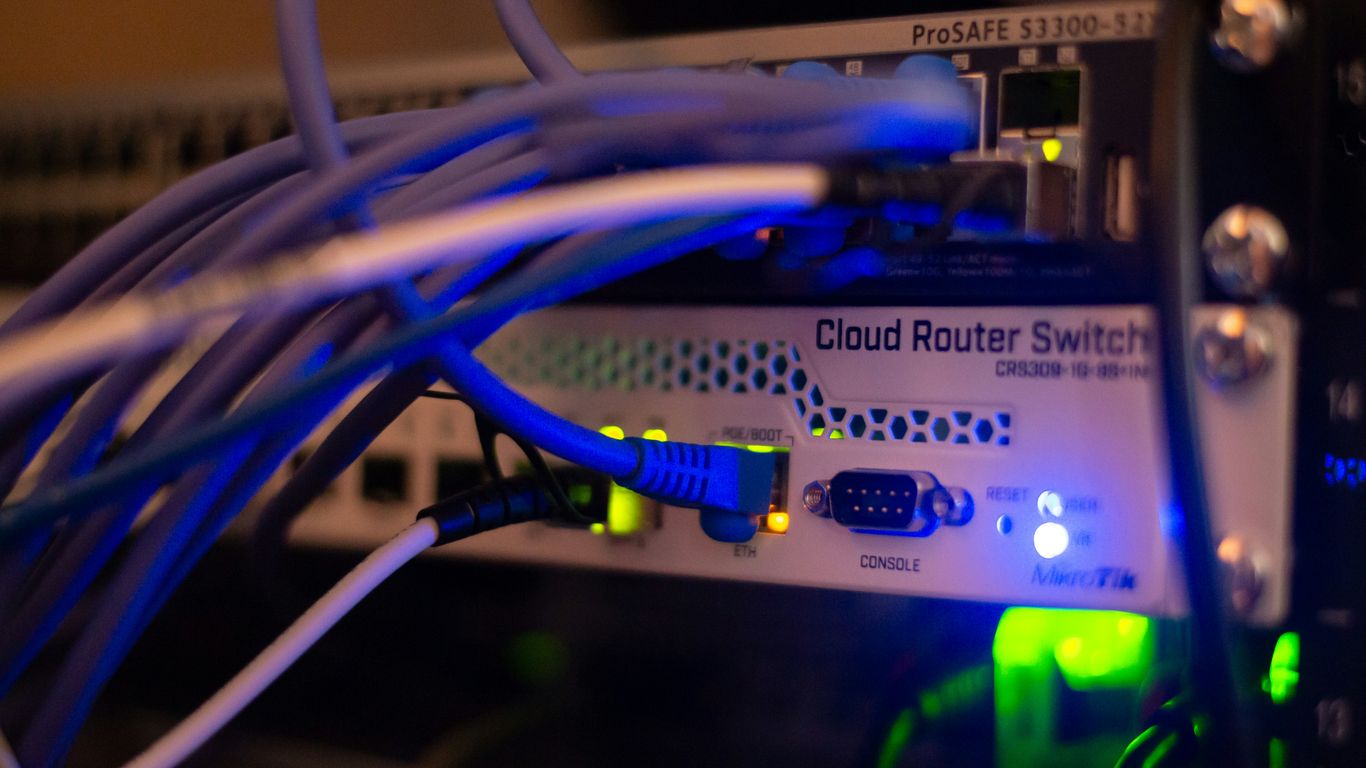
Centralized control of national name servers
Dominant control over national DNS infrastructure allows states to direct users to specific versions of content or restrict access entirely. By forcing traffic to traverse domestic name servers, governing bodies gain a permanent point of enforcement. Similar to how infrastructure security and delivery protocols ensure data integrity, these local systems are designed to provide absolute control over the resolution process.
BGP routing shifts and perimeter filtering
Border Gateway Protocol (BGP) routing is frequently manipulated to reroute traffic away from international exchanges toward state-managed gateways. This shift effectively places national traffic under the direct oversight of governmental entities and their authorized providers. Addressing these risks requires robust network visibility and the ability to detect when traffic paths deviate from expected global norms.
Implementing indigenous roots for internet resolution
Some regions have explored implementing their own root naming systems, creating a parallel internet experience that disconnects from the traditional universal root. This approach limits the impact of external influence but introduces significant connectivity barriers. While these systems aim to protect national assets, they simultaneously create massive visibility gaps, as explored in detailed guides on internal network visibility.
Monitoring techniques for regional traffic flow
States deploy various technical tools to observe inbound and outbound traffic, ensuring compliance with local digital mandates. These techniques go beyond simple logging, often involving advanced analysis of packet headers and metadata to identify unauthorized protocols. Defensive postures for organizations in these regions involve:
- Implementing end-to-end encryption to protect sensitive data.
- Regularly auditing routing paths for unauthorized redirections.
- Utilizing VPN solutions when permissible to maintain secure connectivity.
- Deploying distributed monitoring to detect regional traffic anomalies.
Maintaining situational awareness is essential for organizations that operate cross-border within these restrictive environments.
Deep packet inspection and border gateways
Role of national gateways in traffic surveillance
National gateways act as choke points where the domestic network meets the outside world, serving as the primary infrastructure for observation. Surveillance at these boundaries allows states to inspect the content of communications without the need for active interference at the source. This architecture is designed to capture, log, and filter data payloads at scale.
Deploying deep packet inspection at scale
Deep packet inspection (DPI) technology is now standard practice in many national gateways, allowing for granular traffic analysis. By evaluating packet content in real-time, systems can block specific requests or identify prohibited communication patterns before they enter the local network. Identifying sophisticated traffic patterns requires constant vigilance and advanced detection systems to bypass traditional barriers.
Filtering and firewalling at the network edge
Firewalls at the edge of fragmented networks serve as the gatekeepers for local connectivity restrictions. Modern configurations may go beyond standard blocking to enforce intricate rules based on source, destination, and application behavior. Organizations must align their local operations with these perimeters by ensuring their internal architectures follow strict network segmentation guidelines.
Scaling hardware for sovereign network control
Governments invest heavily in massive hardware deployments to ensure that their inspection capabilities can keep pace with increasing bandwidth demands. High-speed switches and specialized appliances allow these states to maintain high-throughput filtering without meaningful latency. For companies, this means that their standard security tools might need to be supplemented to account for the unique operational realities of the local infrastructure.
Data localization and sovereign cloud systems

Regulatory mandates for domestic data storage
Data localization laws strictly regulate how and where information concerning citizens can be processed, often mandating that copies stay within the physical borders. This approach restricts the free flow of information and complicates the use of global cloud services. Businesses are forced to choose between local compliance and broader operational efficiency, necessitating a Privacy and Neural Data Policy that reflects these regional constraints.
Implementing national cloud service infrastructures
Many countries are developing state-sponsored cloud platforms intended to host vital digital services. By migrating critical assets to these platforms, entities can ensure that their data adheres to local sovereignty requirements while relying on mandated storage solutions. These clouds often operate as walled gardens, intentionally limiting integration with international cloud ecosystems.
Implications for global privacy and data flow
Fragmented data landscapes inhibit the efficacy of global privacy standards, as regional requirements often conflict with international expectations. This creates a complex regulatory hurdle for multi-national providers that must reconcile different, and sometimes contradictory, legal obligations. Protecting intellectual property and user privacy in this environment becomes a significant challenge for any enterprise.
Compliance barriers for multi-national enterprises
Multi-national firms face high costs when building out local infrastructure to meet regional mandates. Compliance is not merely a legal checkbox but a technical architecture challenge requiring separate, localized deployments of storage, processing, and application services. These firms must navigate the complex cross-border jurisdiction gaps inherent in global digital regulation, which require specialized legal and technical strategies.
Governance frameworks and regulatory control
Multilateral versus multistakeholder governance models
Governance debates are increasingly characterized by the tension between multilateral state-led models and the traditional multi-stakeholder framework that historically steered the internet. Many governments are actively pushing for greater state control over content and infrastructure management, moving away from decentralized policies. This shift challenges the role of private actors who have historically managed the technical standards of the network.
Enforcement mechanisms for territorial digital laws
Digital laws are increasingly enforced at the physical infrastructure level, with local providers bearing the burden of implementation. When domestic entities fail to comply with orders regarding traffic blocking or data retention, they face serious regulatory consequences. The result is a system of outsourced surveillance where private infrastructure becomes an extension of the state’s reach.
Role of state-owned internet service providers
State-owned ISPs are instrumental in the deployment of restrictive network policies, as they follow direct governmental oversight. These companies integrate national security needs into their operational objectives, creating a unified and easily managed digital environment. Their prevalence ensures that most traffic stays within reachable and controlled channels, making international bypass strategies less effective.
Aligning corporate compliance with domestic requirements
Organizations must adapt their internal models to handle disparate regulatory frameworks across all their operating markets. Alignment requires close monitoring of territorial legislation and a technical design that supports separate policy enforcement zones. As part of a Switch Defense educational approach, leaders are encouraged to analyze the specific regulations in each region to build resilience against sudden policy changes.
Operational strategies for fragmented landscapes
Managing distributed network infrastructure
Operating in a fragmented landscape requires a distributed approach to network design that accounts for regional variances. Centralized management is increasingly ineffective when local gateways block traffic or impose specific compliance filters. Reliable architecture must therefore include high availability and local redundant systems capable of operating independently.
Adaptive cloud architectures for regional silos
Adaptive cloud strategies allow organizations to deploy application clusters near users in silos, while maintaining global control over services. By utilizing containers and micro-services, firms can quickly adjust to regional changes or localized connectivity disruptions. This strategy ensures that performance remains consistent despite the challenges imposed by regional controls.
Risk management in a multi-jurisdictional environment
Risk assessment processes must treat legal and jurisdictional changes as critical variables. Multi-national firms should perform regular audits of their regional presence to ensure that infrastructure remains compliant with rapidly shifting standards. Developing a resilient security architecture allows teams to anticipate issues rather than reacting after a service interruption occurs.
Scaling security controls for heterogeneous networks
Security teams need unified tools that can scale across vastly different network environments and regional security requirements. Implementing a consistent protection policy is essential, even when the underlying infrastructure differs significantly between regions. By using Switch Defense guidance on network security, defenders can better address threats while ensuring that their global operations remain secure and adaptable.
Conclusion
The fracturing of the global digital environment presents a persistent challenge to universal connectivity, moving modern networks toward localized sovereignty rather than open global access. Organizations navigating these systems must prioritize adaptability, local regulatory awareness, and resilient digital architectures to protect their operations and maintain consistent performance in a world of increasingly disparate online spaces.
Frequently Asked Questions
Is global internet fragmentation a new phenomenon?
Fragmentation is not a recent event but rather a long-term process involving cumulative changes in policy, technical protocols, and infrastructure design that have moved the network away from its unified foundations.
How does fragmentation affect the speed of online services?
Localized routing paths and forced traffic inspection through national gateways can frequently lead to increased latency and inconsistent connection quality compared to traditional direct global routing.
What is the difference between technical and regulatory fragmentation?
Technical fragmentation involves changes to protocols, hardware, and infrastructure standards, while regulatory fragmentation centers on divergent laws concerning data privacy, content moderation, and information sovereignty.
Why do states implement data localization laws?
Governments implement these mandates to exert greater control over the data generated by their citizens, ensuring it remains within their legal jurisdiction and under their regulatory oversight.
Can multi-national companies remain unified in a fragmented web?
While challenging, firms can remain connected by utilizing hybrid architectures that combine localized regional silos with a centralized management system, though this requires significant investment in infrastructure.
What tools do governments use to control traffic flow?
Tools typically include national name server manipulation, selective BGP rerouting, mandatory deep packet inspection, and specialized state-managed firewalls configured for regional policy compliance.
How can a small business prepare for these digital barriers?
Small businesses should conduct thorough research into the regulatory requirements of all their target regions, implement redundant connectivity options, and adopt flexible cloud strategies to minimize reliance on a single, potentially unstable, route.