
Supply chain attacks have become a big problem for businesses of all sizes. Attackers are getting smarter about sneaking into organizations by targeting the companies and services they trust most. Instead of breaking in through the front door, these attackers quietly slip in through vendors, software updates, or third-party tools. This kind of attack is hard to spot and can affect lots of organizations at once. In this article, we’ll break down how supply chain attacks work, the methods attackers use, and what you can do to protect your business.
Key Takeaways
- Supply chain attacks target trusted vendors, software updates, or third-party services to reach their real victims.
- Attackers often use normal-looking updates or tools to sneak harmful code into many organizations at once.
- Insider threats and mistakes by employees or partners can make supply chain attacks even more dangerous.
- Phishing, web vulnerabilities, and business email scams are often used alongside supply chain attacks for bigger impact.
- Regular vendor checks, software monitoring, and strict update verification are some of the best ways to lower the risk.
Understanding Supply Chain Attacks
Definition of Supply Chain Attacks
A supply chain attack is a cyberattack that targets an organization by going after less secure elements in its supply chain. Instead of directly attacking a company, attackers compromise a trusted third-party vendor, software provider, or service. This allows them to sneak malicious code or unauthorized access into the systems of the intended victim through legitimate channels. It’s like finding a way into a fortress by bribing a guard at a less-guarded gate.
How Supply Chain Attacks Work
These attacks typically start with attackers infiltrating a vendor’s systems, their software development process, or their update mechanisms. Once they have a foothold, they can inject malicious code or create backdoors. This compromised software or service is then distributed to the vendor’s customers through what appears to be a normal, legitimate update or delivery. Because the software or service comes from a trusted source, it often bypasses many security checks that would normally flag suspicious activity. This method can affect a large number of organizations simultaneously, making it a very efficient tactic for attackers.
Common Attack Vectors in Supply Chains
Attackers use several common methods to infiltrate supply chains:
- Compromised Software Updates: Attackers inject malware into legitimate software updates. When users download and install these updates, they inadvertently install the malicious payload.
- Third-Party Vendor Exploitation: This involves compromising a vendor that provides services or software to multiple organizations. Once the vendor is compromised, the attacker can access the networks of all its clients.
- Insecure Integrations and Libraries: Many applications rely on third-party libraries or integrate with other services. If these external components have vulnerabilities or are compromised, they can serve as an entry point for attackers.
- Hardware Tampering: In some cases, attackers might compromise hardware components during manufacturing or transit, introducing backdoors or malicious functionality before the hardware even reaches the end-user.
The core principle behind supply chain attacks is exploiting the inherent trust organizations place in their partners and the software they use. This trust, while necessary for efficient business operations, creates a significant vulnerability when that trust is betrayed by malicious actors.
Exploiting Trust in the Supply Chain
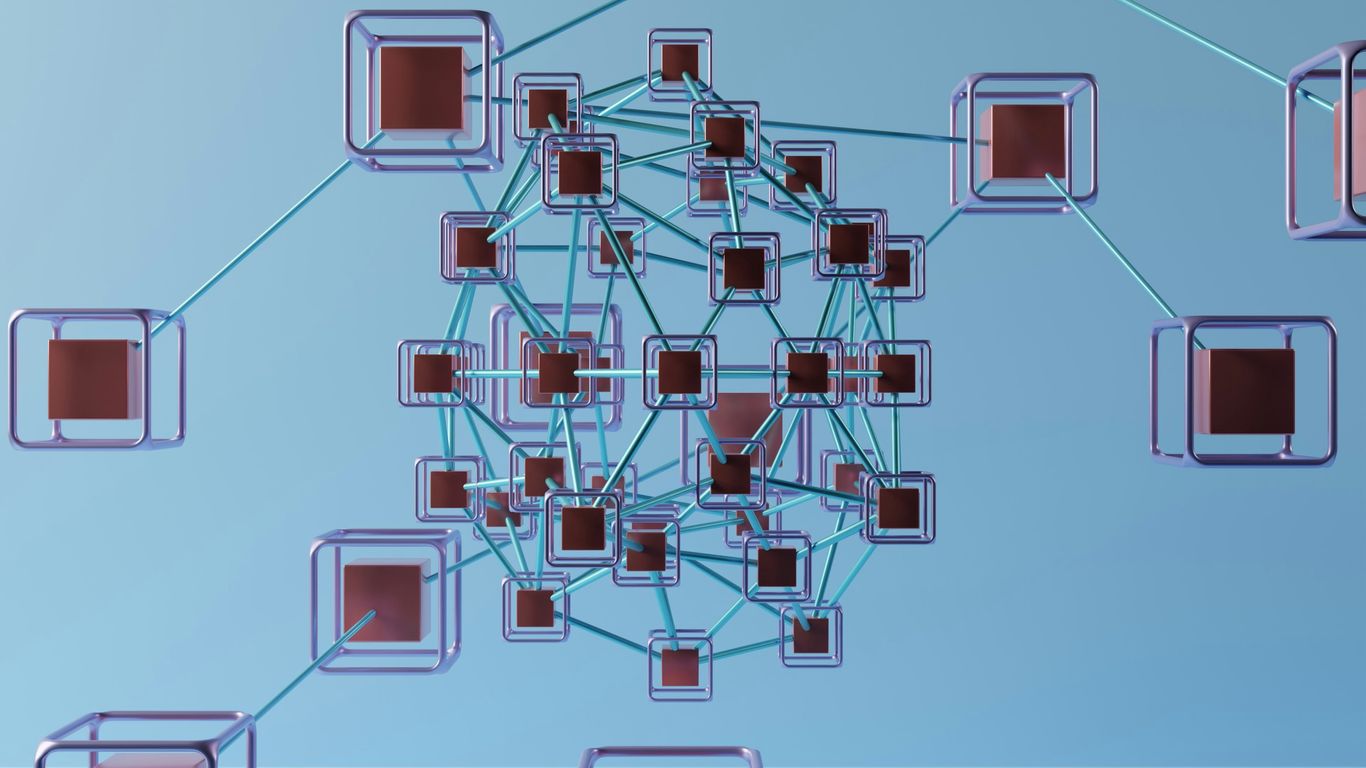
Attackers often don’t break down your front door; instead, they find a way in through someone you already let inside. That’s the core idea behind exploiting trust in the supply chain. It’s all about using a relationship or a trusted component to get to a target that would otherwise be well-protected. Think of it like a Trojan horse, but instead of a wooden horse, it’s a software update or a service you rely on.
Compromised Software Updates
This is a big one. Software updates are supposed to make things better and more secure, right? Well, attackers know that. They can inject malicious code into legitimate software updates. When your systems automatically download and install these updates, they’re unknowingly installing malware. This can happen with operating systems, applications, or even firmware. The update process itself becomes the delivery mechanism. It’s a sneaky way to get widespread access because many organizations use the same software and update channels. The key here is that the malicious code is delivered through a channel that is normally considered safe and reliable.
- How it happens: Attackers gain access to a software vendor’s build system or distribution network.
- The payload: Malicious code is embedded within a seemingly normal update package.
- The result: End-users install the compromised update, leading to system compromise, data theft, or further network infiltration. This is a common vector for widespread malware distribution.
Third-Party Vendor Exploitation
Your business doesn’t operate in a vacuum. You rely on various vendors for services, software, and hardware. If one of these vendors has weak security, it becomes a weak link in your own security chain. Attackers target these vendors, knowing that a successful breach there can give them access to many of their clients. This could be a managed service provider (MSP) that has remote access to your network, a cloud service provider, or even a hardware manufacturer. The trust you place in these vendors is what the attacker exploits.
The interconnected nature of modern business means that a security lapse in one organization can have ripple effects across many others. Understanding the security posture of your partners is no longer optional; it’s a necessity.
Insecure Integrations and Libraries
Modern software development often involves using pre-built components, libraries, and APIs from external sources. These are great for speeding up development, but they also introduce risk. If a third-party library you’re using has a vulnerability, or if an integration with another service isn’t properly secured, attackers can exploit that connection. This is especially true with open-source libraries, where the sheer volume and the speed of development can sometimes outpace thorough security vetting. It’s like building a house with pre-fabricated walls – if one of those walls has a hidden defect, the whole structure is at risk. Managing these dependencies is a constant challenge, and attackers are increasingly looking for ways to exploit them, sometimes through techniques like dependency confusion.
Malicious Actors and Their Tactics
When we talk about supply chain attacks, it’s not just about the technical vulnerabilities. We also need to consider who’s behind them and how they operate. The attackers aren’t a single, monolithic group; they come in various forms, each with different motivations and methods.
Insider Threats and Malicious Insiders
Sometimes, the threat comes from within. An insider threat can be an employee, a contractor, or even a partner who has legitimate access to systems. These individuals might act maliciously, perhaps out of revenge or financial gain, or they could be negligent, accidentally exposing data through mistakes or poor security practices. Detecting these threats is tricky because their actions often look like normal system use. It’s like trying to spot a wolf in sheep’s clothing; their access makes their harmful actions blend in.
External Threat Actors and Motivations
Outside the organization, threat actors range from sophisticated nation-state groups to individual hackers. Nation-states might be after sensitive government data or intellectual property for espionage. Organized crime groups are often motivated by financial gain, using ransomware or stealing financial information. Then there are hacktivists, who might attack for political or social reasons. Understanding these different motivations helps us anticipate their actions. For instance, financially motivated groups might focus on ransomware, while state-sponsored actors could be more interested in long-term stealthy access for corporate espionage.
AI-Driven Attack Sophistication
We’re also seeing a rise in attackers using artificial intelligence (AI) to make their attacks more effective. AI can help them automate tasks, find vulnerabilities faster, and even create more convincing phishing messages that are harder to spot. This means attacks can be launched at a larger scale and with greater precision than before. It’s a constant arms race, and AI is becoming a tool for both defenders and attackers.
Common Attack Vectors Beyond the Supply Chain
While supply chain attacks are a major concern, cybercriminals use many other methods to get into systems and steal information. These aren’t always about compromising a trusted vendor; sometimes, they target individuals or exploit common online behaviors. Understanding these different pathways is key to building a strong defense.
Phishing and Social Engineering Tactics
Phishing is a classic technique that plays on human trust. Attackers send emails, messages, or create fake websites that look legitimate, trying to trick you into giving up sensitive details like passwords or credit card numbers. They often create a sense of urgency or fear to make you act fast without thinking. This can range from a broad email blast to highly targeted messages, known as spear phishing, which are tailored to a specific person or organization. It’s all about manipulating people rather than just exploiting technical flaws. These attacks are incredibly effective because they target the human element.
- Impersonation: Pretending to be a known contact, company, or authority figure.
- Urgency/Fear: Creating a false sense of immediate danger or a limited-time offer.
- Deception: Using convincing but fake websites, logos, or email addresses.
- Information Gathering: Aiming to collect credentials, personal data, or financial details.
The success of phishing often hinges on the attacker’s ability to craft a believable scenario that bypasses a victim’s critical thinking. This can involve mimicking communication styles, using current events, or exploiting personal information obtained elsewhere.
Business Email Compromise Schemes
Business Email Compromise (BEC) is a more sophisticated form of phishing. Instead of just trying to steal login details, BEC attacks aim to trick employees into sending money or sensitive data directly to the attacker. This often involves impersonating a senior executive, a trusted vendor, or a business partner. The attackers might request an urgent wire transfer, change payment details, or ask for confidential employee information. Because these attacks often use legitimate email accounts and don’t rely on malware, they can be very hard to detect. The financial losses from BEC attacks can be substantial, often exceeding those from ransomware incidents. You can find more information on how these schemes work and how to protect your business here.
Web Application Vulnerabilities
Web applications, from e-commerce sites to internal company portals, are frequent targets. Attackers look for weaknesses in the code or configuration of these applications to gain unauthorized access. Common methods include:
- Injection Attacks: Like SQL injection, where attackers insert malicious code into input fields to manipulate databases.
- Cross-Site Scripting (XSS): Injecting malicious scripts into websites viewed by other users, often to steal session cookies or redirect users.
- Authentication Bypass: Exploiting flaws to gain access without proper login credentials.
- Insecure APIs: Weaknesses in application programming interfaces that allow unauthorized data access or manipulation.
These vulnerabilities can lead to data breaches, account takeovers, and even full system compromise. Keeping web applications updated and secure is a constant challenge, especially with the complexity of modern web development. Understanding these attack vectors is crucial for developers and security teams alike.
Impact and Consequences of Supply Chain Breaches
When a supply chain attack hits, it’s not just one company that feels the pain. Because these attacks often go through trusted channels like software updates or vendors, a single breach can spread like wildfire. This means a lot of organizations can get hit all at once, and figuring out where the problem started can be a real headache.
Widespread Malware Distribution
One of the most common outcomes is the broad spread of malicious software. Attackers can embed malware into software updates or components that are then distributed to many customers. This can lead to:
- Infections across thousands of endpoints and servers.
- Disruption of critical business operations.
- Creation of backdoors for future access.
The sheer scale of distribution through compromised supply chains makes it incredibly difficult to contain once it starts. It’s like a contagion spreading through the digital ecosystem.
Credential Theft and Data Exfiltration
Beyond just spreading malware, these attacks are often designed to steal sensitive information. Attackers might aim to steal user credentials, intellectual property, customer data, or even classified information. This can happen through:
- Malicious code designed to capture login details.
- Backdoors that allow ongoing access for data theft.
- Exploiting trust to trick users into revealing information.
| Type of Data Targeted | Common Methods of Exfiltration |
|---|---|
| User Credentials | Keyloggers, form grabbing |
| Intellectual Property | Encrypted channels, cloud storage |
| Customer Data | Direct database access, APIs |
Disruption of Operations and Services
Ultimately, these breaches can bring business to a grinding halt. When systems are compromised, data is lost, or services are interrupted, the impact is felt across the organization and by its customers. This can result in:
- Significant downtime and loss of productivity.
- Financial losses due to operational halts and recovery costs.
- Damage to reputation and customer trust.
Mitigating Supply Chain Risks
Dealing with supply chain attacks means we need to be smart about who we let into our digital house, so to speak. It’s not just about locking your own doors; it’s about knowing who your neighbors are and if they’ve got good locks too. We’ve got to get serious about checking out the companies and software we rely on.
Vendor Risk Assessments and Audits
This is where we really dig into the background of our partners. Before you even think about signing a contract or integrating a new piece of software, you need to know how they handle security. Are they just saying they’re secure, or can they actually show you? This involves looking at their security policies, checking for certifications, and sometimes even doing on-site visits if it’s a really critical relationship. It’s about making sure their security practices don’t become a weak link in your own chain. We need to ask tough questions and expect solid answers. It’s also a good idea to check if they’ve had any recent security incidents. Knowing this upfront can save a lot of headaches later on. A good starting point is to look into vendor risk management platforms that can help streamline this process.
Software Integrity and Verification
Once you’ve got your vendors sorted, the next big step is making sure the software you get from them is actually what it’s supposed to be. This means verifying that software updates haven’t been tampered with. Think of it like getting a package delivered – you want to make sure the seal isn’t broken before you open it. Techniques like code signing are important here. It’s a digital signature that proves the software came from the expected source and hasn’t been changed. We also need to be mindful of open-source libraries; they’re great, but they can also be a backdoor if not managed properly. Regularly checking the integrity of these components is key.
Dependency Management and Monitoring
Modern software is built on layers and layers of other software, called dependencies. It’s like building with LEGOs – you use lots of smaller pieces to make something bigger. The problem is, if one of those small LEGO bricks is faulty or has been swapped out by someone with bad intentions, your whole structure can be compromised. So, keeping a close eye on all these dependencies is super important. This means knowing exactly what software components you’re using, where they came from, and if they have any known security issues. Setting up alerts for when dependencies change or when new vulnerabilities are found is a smart move. It helps you catch problems early before they can cause real damage.
The goal here isn’t to eliminate all risk, which is pretty much impossible, but to reduce it to an acceptable level. It’s about being proactive and having a plan for when things inevitably go wrong.
Detection and Response Strategies
When it comes to supply chain attacks, spotting them early and knowing what to do is super important. Because these attacks often sneak in through trusted channels, they can be tricky to find. It’s not like a direct hack where you might see obvious signs. Instead, you’re looking for subtle shifts in behavior or unexpected outcomes.
Monitoring for Anomalous Behavior
This is all about keeping a close eye on things that seem out of the ordinary. Think about your software updates – are they coming from the usual places? Are they the right size and timing? Any weird network traffic patterns? Even small deviations can be a clue. You want to set up systems that flag these oddities so your team can investigate. It’s like having a really good security guard who notices when someone’s acting a bit strange near the back door.
- Software Integrity Checks: Regularly verify the digital signatures and checksums of software components. Mismatches are a big red flag.
- Network Traffic Analysis: Look for unusual connections, data exfiltration, or communication with known malicious IP addresses originating from your systems or those of your suppliers.
- Behavioral Analytics: Monitor user and system behavior for deviations from normal patterns. This could include unexpected access times, unusual file modifications, or abnormal resource usage.
Incident Response and Recovery Planning
Even with the best detection, sometimes an attack gets through. That’s where having a solid plan for what to do next comes in. This isn’t just about fixing the immediate problem; it’s about getting back to normal operations as quickly and safely as possible. A good plan means everyone knows their role, and you can act fast without a lot of confusion.
Here’s a basic rundown of what a plan might involve:
- Containment: Stop the spread. This might mean isolating affected systems or networks.
- Eradication: Get rid of the threat. This involves removing malware or compromised components.
- Recovery: Restore systems and data. This is where you bring things back online, making sure they’re clean.
- Post-Incident Analysis: Figure out what happened, how it happened, and how to stop it from happening again. This is key for learning and improving.
A well-rehearsed incident response plan can significantly reduce the damage and downtime caused by a supply chain breach. It’s not just a document; it’s a practiced capability.
Threat Intelligence Integration
Staying informed about what attackers are up to is a huge part of staying ahead. Threat intelligence feeds you information about new attack methods, known bad actors, and indicators of compromise. When you integrate this into your monitoring and response efforts, you can spot threats faster and react more effectively. It’s like having a heads-up about potential dangers before they even reach your doorstep.
- Automated Alerting: Use threat intelligence feeds to automatically generate alerts for suspicious activities that match known threat patterns.
- Proactive Hunting: Employ threat intelligence to guide proactive searches for signs of compromise that might not trigger automated alerts.
- Contextualization: Understand the ‘why’ and ‘how’ behind alerts by correlating them with known threat actor tactics, techniques, and procedures (TTPs).
Best Practices for Supply Chain Security
Securing your organization’s supply chain can feel like an uphill battle. With so many moving parts, partners, and dependencies, gaps can show up fast. The best way to keep trouble at bay is to focus on practical, realistic steps—especially as attacks keep changing. Here are some of the best practices for getting your supply chain security on the right track.
Implementing Zero Trust Principles
Building a zero trust model means never automatically trusting any entity—inside or outside your organization. Instead, you verify everything each step of the way.
- Enforce strong authentication and authorization for every user and device.
- Restrict network access as much as possible so users only get what they need.
- Monitor activity at all network points for unusual behavior.
Zero trust isn’t just a tech approach—it’s a mindset that questions default trust everywhere. For businesses dealing with third parties or vendors, zero trust cuts down on the chance a single weak spot leads to a bigger breach.
Maintaining Software Inventories
Keeping a complete and accurate inventory of your software, libraries, and cloud components is one of the most overlooked basics—even when it comes to supply chain risk. Here’s what works:
- Create and regularly update a list of all software and dependencies in use (including open-source libraries and cloud tools).
- Track who is responsible for maintaining each component.
- Document where each item came from and when it was last updated.
| Inventory Practice | Benefit |
|---|---|
| Regular audits | Finds outdated or risky components |
| Responsible owners listed | Speeds up patching and accountability |
| Source/version tracking | Helps detect unauthorized updates |
Missing just one outdated library creates a perfect entry point for attackers. So, get into the habit of checking and documenting everything new that enters your systems.
Validating All Software Updates
Attackers love using legitimate update channels to deliver malicious code. Always:
- Verify any software patch or update with digital signatures before trusting it.
- Use secure channels to fetch updates, never public or unauthenticated sources.
- Test updates in a controlled environment before deploying widely.
If you’re relying on outside vendors, ask them about their security and update processes. Establish clear expectations up front. Guidance on vendor agreements and continued security monitoring is critical, as suggested in managing third-party and supply chain risks.
When updates are rushed or their sources aren’t checked, attackers can slip in unnoticed. Make strict update validation part of your routine—it’s far simpler than cleaning up after a breach.
Putting these practices together as an everyday habit, not just a checkbox, keeps your supply chain far safer—no matter what new attacks come along.
Tools and Technologies for Defense
When it comes to defending against supply chain attacks, having the right tools and technologies in place is pretty important. It’s not just about having a firewall; it’s about having a layered approach that can spot and stop threats before they cause real damage. Think of it like having different kinds of locks and alarms on your house – each one does something a bit different, and together they make it much harder for someone to break in.
Software Composition Analysis Tools
These tools are really useful for understanding what’s actually inside your software. When you use open-source libraries or third-party components, it’s easy to lose track of everything. Software Composition Analysis (SCA) tools scan your code and dependencies to identify known vulnerabilities in those components. They can also help you manage licenses and check for outdated libraries. Knowing exactly what you’re running is the first step to securing it.
Here’s a quick look at what SCA tools help with:
- Vulnerability Detection: Finds known security flaws in open-source and third-party code.
- License Compliance: Tracks software licenses to avoid legal issues.
- Dependency Mapping: Visualizes the relationships between different software components.
- Outdated Component Alerts: Notifies you when components are old and potentially vulnerable.
Vendor Risk Management Platforms
Since supply chain attacks often come through third parties, keeping an eye on your vendors is a big deal. Vendor Risk Management (VRM) platforms help you assess and monitor the security posture of your suppliers. They can automate questionnaires, track compliance certifications, and flag potential risks associated with your vendors. It’s about making sure the partners you work with aren’t accidentally opening the door for attackers.
Endpoint Detection and Response Solutions
Even with the best defenses, sometimes a threat gets through. That’s where Endpoint Detection and Response (EDR) solutions come in. These tools go beyond traditional antivirus by continuously monitoring endpoints (like laptops and servers) for suspicious activity. They can detect advanced threats, investigate incidents, and help you respond quickly to contain any damage. They’re like the security guards who patrol the premises and can react immediately if something goes wrong.
The goal of these tools is to create a robust defense system. It’s not about finding a single magic bullet, but rather building layers of protection that work together. Each technology plays a part in identifying risks, verifying integrity, and responding to threats effectively.
Regulatory Landscape and Compliance
Navigating the complex world of cybersecurity means keeping an eye on the rules and standards that govern how we protect our digital assets. It’s not just about having good tech; it’s about making sure we’re playing by the book, which is constantly being updated. Different industries and regions have their own sets of requirements, and staying on top of them is a big job.
NIST Cybersecurity Framework Requirements
The National Institute of Standards and Technology (NIST) Cybersecurity Framework provides a flexible structure for organizations to manage and reduce cybersecurity risk. It’s built around five core functions: Identify, Protect, Detect, Respond, and Recover. For supply chain security, NIST emphasizes understanding your ecosystem, managing third-party risks, and verifying the integrity of software and hardware components. Organizations are expected to map their existing security practices to these functions and identify gaps. This framework is widely adopted because it’s adaptable to various organizational sizes and types.
ISO 27001 Standards for Security
ISO 27001 is an international standard for information security management systems (ISMS). Achieving certification means an organization has a systematic approach to managing sensitive company information, ensuring its security. When it comes to the supply chain, ISO 27001 requires organizations to consider risks associated with third-party relationships and ensure that controls are extended to them. This includes things like vendor assessments and contractual agreements that specify security requirements. It’s all about making sure that your partners aren’t the weak link in your security chain. You can find more details on information security management.
Compliance with Data Protection Laws
Data protection laws, like GDPR in Europe or CCPA in California, place strict requirements on how organizations collect, process, and store personal data. For supply chain attacks, this means that if a breach occurs through a compromised vendor or software, the impact can be significant, leading to hefty fines and reputational damage. Organizations must ensure their vendors also comply with these data protection regulations. This often involves contractual clauses and regular audits to confirm that sensitive data remains protected throughout the entire supply chain. Understanding these legal obligations is key to avoiding penalties and maintaining customer trust.
Staying compliant isn’t just a legal necessity; it’s a strategic advantage. It demonstrates a commitment to security and privacy, which can build stronger relationships with customers and partners alike. Ignoring these regulations can lead to severe consequences, including financial penalties and a loss of public confidence.
Here’s a look at some common areas these regulations focus on:
- Data Minimization: Only collecting and retaining data that is absolutely necessary.
- Access Controls: Limiting who can access sensitive data, both internally and within third-party systems.
- Breach Notification: Establishing clear procedures for reporting data breaches to authorities and affected individuals in a timely manner.
- Vendor Due Diligence: Performing thorough checks on third-party providers to assess their security and data handling practices.
Conclusion
Supply chain attacks are a real problem for organizations of all sizes. They work by taking advantage of trust between companies and their vendors, software providers, or service partners. Because these attacks often use normal update channels or trusted third parties, they can be hard to spot and may impact a lot of people at once. The best way to lower the risk is to keep an eye on your vendors, check software integrity, and make sure you know what’s running in your environment. Regular reviews, good security habits, and clear communication with suppliers all help. As more businesses rely on outside services and open-source tools, it’s important to stay alert and keep updating your defenses. Supply chain security isn’t a one-time fix—it’s something you need to work on all the time.
Frequently Asked Questions
What exactly is a supply chain attack?
Imagine a company that makes toys. A supply chain attack is like someone messing with the factory that makes the toy’s plastic parts or the truck that delivers them. Instead of attacking the toy company directly, they attack someone the company trusts, like a supplier. This way, they can sneak bad stuff into the toys before they even reach the stores, affecting everyone who buys them.
How do attackers get into a company’s supply chain?
Attackers often look for weak links. They might trick a software company into releasing an update that secretly contains a virus. Or, they might hack into a smaller company that provides services to a bigger one. It’s all about finding a way in through something or someone that the main target already trusts.
Why are supply chain attacks so dangerous?
These attacks are like a domino effect. When one trusted source is compromised, it can spread problems to hundreds or even thousands of other companies that use that source. It’s hard to spot because the bad stuff often comes through normal, official channels, like a software update you were expecting.
Can software updates be dangerous?
Yes, they can be if they’re not handled carefully. Attackers can sneak malicious code into what looks like a regular software update. When you install it, you’re actually installing the attacker’s harmful program without even knowing it.
What’s the deal with third-party vendors?
Companies often work with other businesses, called vendors, for different services or products. If an attacker can get into one of these vendors, they can use that access to get to the companies they serve. It’s like a burglar getting into an apartment building through a neighbor’s unlocked door.
What are some common ways attackers try to trick people?
Attackers often use tricks like phishing, where they send fake emails or messages to get you to click a bad link or give up your password. They might pretend to be your boss, a bank, or a popular online service. They play on our trust and urgency.
What happens if a company’s supply chain is attacked?
It can be really bad. A widespread computer virus could be spread to many organizations. Sensitive information could be stolen, or important services could be shut down. It causes a lot of disruption and can cost a lot of money to fix.
How can companies protect themselves from these kinds of attacks?
Companies need to be careful about who they work with and what software they use. They should check their suppliers carefully, make sure software is genuine before installing it, and keep a close eye on all the different pieces that make up their technology systems.