
Key Takeaways
Modern infrastructure systems are increasingly interconnected, making them susceptible to disruptions that transcend individual sectors. Strengthening these systems requires a proactive approach to risk management and robust, long-term defensive planning.
- Infrastructure disruption is driven by a sophisticated mix of cyber threats, including ransomware and DDoS attacks.
- Critical services like power and communication function as a single unit, where failure in one triggers immediate cascades.
- Financial and healthcare systems remain highly vulnerable to prolonged downtime due to their reliance on real-time data.
- Effective security governance requires cross-sector collaboration between public institutions and private industry stakeholders.
- Long-term resilience relies on adopting zero-trust architectures and establishing redundant systems to ensure mission-critical availability.
Mechanisms of large-scale infrastructure disruption
The stability of our modern world hinges on interconnected digital systems that demand constant vigilance. When these systems falter, often due to targeted cyber interventions, the risk of mass outage societal destabilization becomes a tangible reality. By understanding the vectors that attackers use to compromise these foundational technologies, organizations can better prioritize protective measures and build defenses that withstand persistent attempts at infiltration or collapse.
DDoS attacks on critical utility control systems
Distributed Denial of Service attacks target the availability of essential control systems by overwhelming them with malicious traffic. By flooding network gateways, attackers can prevent legitimate commands—such as grid balancing instructions or pressure regulation—from reaching their intended destination. This degradation often forces industrial systems into safe-mode shutdowns, creating synthetic outages that mimic natural system failure across large operational zones.
Ransomware impact on operational technology
Ransomware has evolved from a tool for simple data theft into a sophisticated method for direct operational disruption. By encrypting the HMI (Human-Machine Interface) software used to manage industrial workflows, threat actors can effectively hold physical production, water purification, or electrical distribution hostage. The operational delay required for recovery often serves as the primary leverage, as time, rather than just the release of data, becomes the commodity in play.
Malware-driven firmware corruption in power grids
Advanced persistent threats frequently target the firmware stored within low-level devices like PLCs and smart substation controllers. Because firmware exists below the operating system level, this type of subversion is exceptionally difficult to detect with traditional monitoring tools. If persistent, malware can alter the logic governing how a circuit breaker functions, leading to systemic failures that are difficult to diagnose or reverse without significant hardware intervention.
Exploitation of supply chain dependencies
Modern infrastructure often incorporates a deep stack of third-party software and hardware components, creating a vast, opaque attack surface. Security gaps within this supply chain can be exploited by threat actors to push malicious updates directly into sensitive environments, bypassing static perimeter defenses. This strategy, as detailed in sabotage operations, emphasizes the vulnerability inherent in our fragmented technological ecosystem.
The cascade effect on essential services
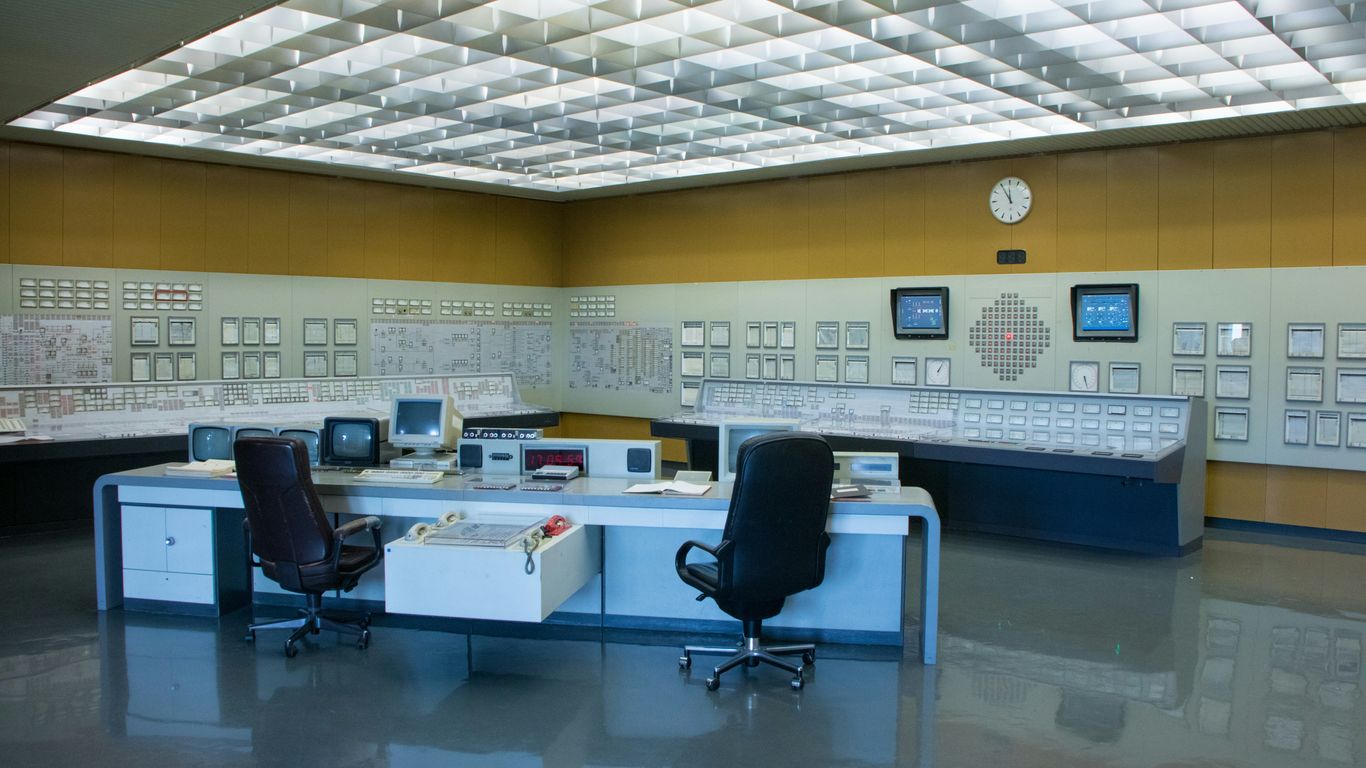
Interconnected infrastructure means that a single point of failure rarely stays contained within its originating sector. When energy systems fluctuate or digital communication pathways are blocked, the shockwaves ripple through vital societal functions. This systemic reliance creates high-stakes dependencies where the collapse of one element accelerates the failure of those surrounding it, ultimately leading to significant service degradation across logistics, finance, and medical coordination.
Interdependency between energy and digital communication
Energy grids and digital communications are tethered at every operational layer. Power is required to operate the infrastructure that transmits data, while communication networks provide the digital intelligence necessary to monitor and regulate power flow. When either link fails, the other often follows, creating a self-reinforcing cycle of instability that complicates traditional recovery efforts.
Disruption in healthcare and emergency response coordination
The healthcare sector relies on immediate, consistent, and secure data flow to manage emergency responses, patient records, and surgical theaters. A loss of connectivity or power essentially turns a modern hospital into a restricted environment where communication becomes analog and real-time medical monitoring is severely curtailed. This environment forces staff to fall back on manual emergency procedures, which historically increases the likelihood of critical errors in triage.
Cascading failures in financial and payment systems
Modern financial infrastructure operates on microsecond-level synchronization of data, making it highly intolerant to network latencies or connectivity drops. When communications fail, liquidity can dry up instantly as transactions fail to clear, potentially affecting everything from international trade settlements to daily retail purchases. Swift resolution is paramount, though cyber resilience remains a significant challenge when systems remain offline for extended durations.
Logistics and regional supply chain paralysis
Logistics networks, including rail, trucking, and maritime shipping, depend on centralized digital coordination to move essential goods. A disruption in these systems stalls regional supply chains, leading to shortages that ripple into household stability. The following table highlights common system interdependencies that amplify the impact of these outages.
| Primary Sector | Secondary Dependence | Cascade Risk | Impact Level |
|---|---|---|---|
| Energy Grid | Communication | Loss of Monitoring | High |
| Healthcare | Energy | Support Device Failure | Extreme |
| Payment Systems | Internet Access | Transaction Freezes | Moderate |
These interconnected dependencies prove that organizations must move beyond protecting single assets and toward broader collaborative resilience.
Societal and economic consequences of persistent outages
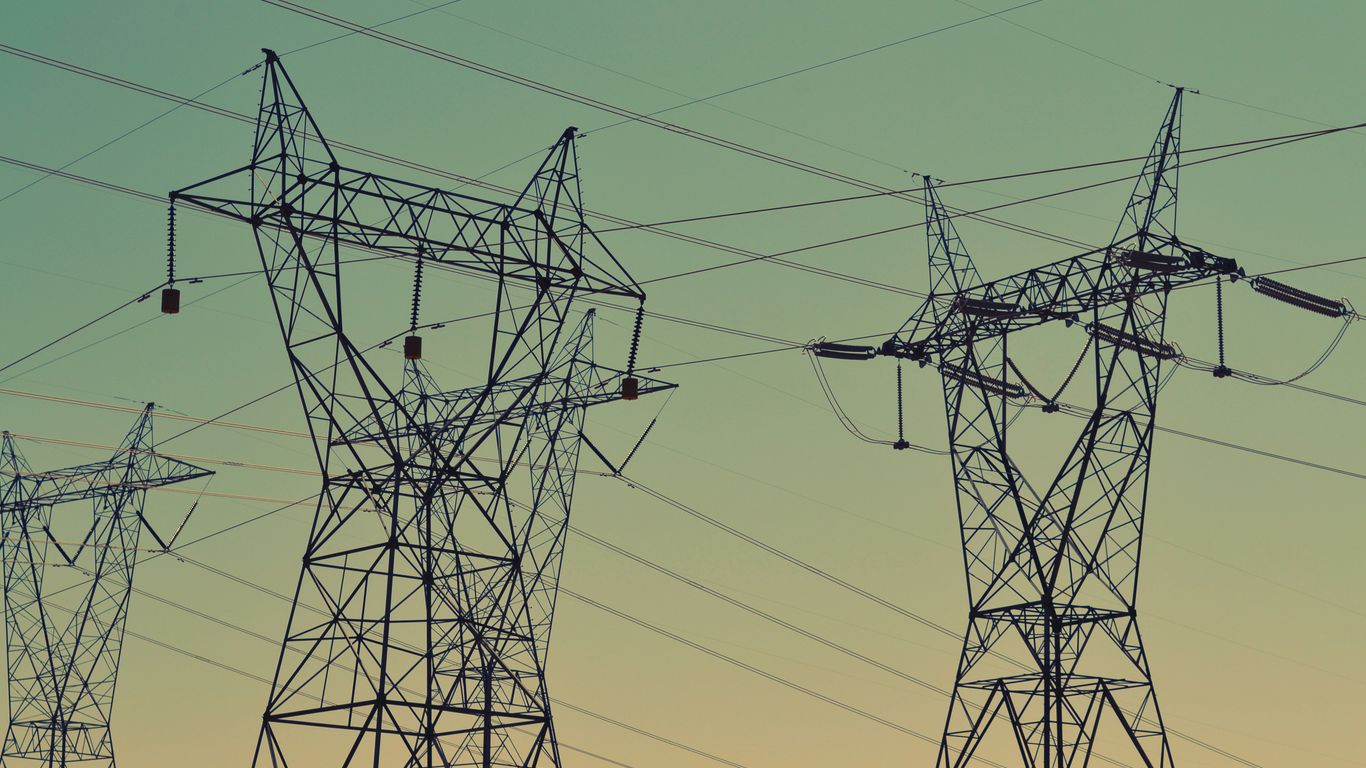
Persistent outages affect more than just technical performance metrics; they fundamentally erode the fabric of trust that supports organized society. When citizens experience consistent lapses in basic service, the psychological burden—manifesting as anxiety, frustration, and eventual cynicism—can undermine governmental legitimacy. Economic fallout typically follows, as volatility increases due to a lack of predictable supply or market trust.
Public trust erosion and psychological distress
Long-term outages often lead to a rapid decay in public confidence, as citizens look to institutions for stability that they cannot physically deliver. The resulting distress is compounded by the lack of clear, actionable information from regulators who might struggle to diagnose the source of the outage. Over time, this shifts how people interact with public services, often leading to a permanent change in how they perceive institutional competence.
Economic volatility stemming from prolonged downtime
Economic stability is intrinsically linked to energy and digital availability. When industries cannot operate, supply chains break and worker productivity reaches a standstill, which drives inflation or sudden market corrections. Investors often shy away from regions where infrastructure failure has become a persistent pattern, fearing long-term capital loss risks.
Challenges to civil order and emergency management
Emergency management depends on a functioning infrastructure to distribute information, manage traffic, and organize first responders. When outages hamper these tools, the capacity for managing crowd control or emergency supply distribution falls, potentially leading to social friction. For those managing such environments, the goal of incident response frameworks is to retain basic order during times of extreme stress.
Long-term impact on global market stability
Modern global trade is highly reliant on the integrity of digital infrastructure. If key regional hubs experience systemic failure, the effects are felt in global equity markets, with ripple effects lasting long after initial power restoration. The instability caused by regional outages can cause international partners to reassess their supply chain risks, often creating new geopolitical friction points in the quest for market reliance.
Security governance and policy response
Governance frameworks act as the necessary backstop for industrial security, ensuring that decentralized operations follow standardized protocols. By establishing clear requirements and expectations, policymakers can force companies to move beyond profit-centric decision-making regarding digital security. The following steps are essential for creating a responsive governance posture that survives real-world operational challenges.
- Establish mandatory reporting for all infrastructure providers to identify emerging threats early.
- Create legal frameworks that protect organizations when they share sensitive vulnerability data.
- Integrate national security requirements directly into regional infrastructure building codes.
- Mandate regular recovery testing for companies operating in high-criticality sectors.
Following these steps helps ensure that security remains a shared obligation rather than a peripheral suggestion. Proactive policy is the bedrock of systemic digital collapse mitigation.
Compliance frameworks for critical infrastructure protection
Compliance requirements have shifted toward rigorous auditing of operational controls, ensuring that providers meet predefined security baselines. While not a guarantee of absolute safety, these frameworks prevent lower-tier providers from neglecting essential security basics such as robust patching and access control. Governance, when applied correctly, bridges the gap between executive interest and engineering realities.
Cross-sector cybersecurity information sharing
Threat actors do not respect industry silos, so defensive groups must adopt the same mentality. Information sharing allows energy companies to gain insight from retail security reports, creating a cumulative defensive posture that evolves as quickly as the threat landscape. Organizations like Switch Defense help educate stakeholders on the importance of this integrated security paradigm, ensuring that practitioners maintain clear awareness of shared risks.
Crisis management and public disclosure protocols
Effective crisis management relies on prepared disclosure protocols that establish exactly when and how stakeholders are notified during an event. Transparency reduces the period of uncertainty, helping to mitigate the public backlash often born of rumor or confusion. Well-defined protocols should clearly state expected downtime durations to minimize the panic often associated with unknown outage lengths.
Collaborative public-private defense models
Public-private partnerships represent a shift toward shared national defense where government resources bolster the protective capacity of private firms. Because the government often holds broader intelligence on incoming threats, this model ensures that private companies receive the critical indicators needed to secure their specific environments. This collaborative resilience provides a stronger foundation than isolated, siloed security operations.
Strategic defense against systemic destabilization
True resilience is not about preventing every possible intrusion, but about ensuring the organization can continue to function while under constant pressure. By assuming that a breach is inevitable, leaders can design systems that fail gracefully, rather than causing total organizational collapse. This mindset transformation is necessary to maintain mission-critical availability in an era of persistent targeting.
Implementing Zero Trust in operational technology environments
Zero trust architecture removes the assumption that internal networks are inherently safe. By requiring continuous verification at every gate—whether digital or hardware-level—organizations can limit the impact of an initial compromise to a single segment. This is especially vital when building digital resilience because it stops attackers from moving laterally toward the control systems that govern physical processes.
Redundancy and organizational recovery capacity planning
Recovery capacity is often underestimated until the moment of crisis. Organizations must maintain redundant, geographically dispersed systems that can take over operations the moment primary systems fail. Planning should include manual bypasses and secondary analog systems that function even when the digital stack is fully compromised, ensuring baseline operations can continue indefinitely.
AI-driven threat detection and real-time monitoring
Artificial intelligence now plays a core role in identifying threats as they happen, rather than during post-incident reviews. By monitoring traffic patterns for even subtle deviations, AI-driven tools can alert teams to unauthorized access attempts in seconds. This allows for lightning-fast isolation before unauthorized actors can gain persistence across the network.
National resilience exercises for essential infrastructure
Resilience exercises—often referred to as ‘red teaming’—simulate full-scale infrastructure failure to test exactly how a company and its government partners coordinate. These exercises identify hidden procedural weaknesses in information disclosure and team communication. Through consistent cyber resilience drills, organizations can turn a high-stress emergency into a manageable series of pre-planned steps, reinforcing the nation’s overall defensive capacity.
Conclusion
Building an environment that can withstand modern infrastructure disruption requires more than just defensive tools; it necessitates a shift toward a culture of operational reality. By mapping dependencies, implementing rigorous zero-trust policies, and bridging the gap between public and private oversight, we can prevent mass outage societal destabilization from becoming an inevitable conclusion to the next cyberattack.
Frequently Asked Questions
What does mass outage societal destabilization mean in modern terms?
It refers to the cascading failure of critical life-sustaining systems after an initial disruption, causing long-term, systemic societal friction rather than just short-term technical inconvenience.
Why do digital threats impact physical power grids?
Modern power grids rely on interconnected digital control systems to balance loads and maintain stability, meaning a digital compromise can directly control physical electrical hardware.
Are current infrastructure defenses capable of handling coordinated attacks?
While some aspects of defense have improved, the scale and complexity of the current infrastructure landscape often outpace current defensive frameworks, making ongoing adaptation essential.
How long can society function without key utility services?
Dependence on utilities and communication is so high that impacts begin to manifest within hours, although the long-term societal effects largely depend on the duration and planning behind the recovery.
What is the most critical dependency in modern society?
The interdependence between the energy grid and the digital communication network is widely viewed as the most critical point of vulnerability for broad societal stability.
Should individuals store their own physical resources for outages?
Maintaining a personal emergency kit and plan as recommended by Switch Defense security guidance helps reduce individual stress and enables a more prepared response during periods of systemic service degradation.
Will AI help solve the problem of systemic infrastructure fragility?
AI serves as a powerful instrument for detection and monitoring, yet it remains just one part of the required defensive stack, which must also include governance, redundant architecture, and cultural preparedness.