
Key Takeaways
- Solar activity poses a significant, often overlooked threat to global digital, power, and communications infrastructure.
- Effective planning requires differentiating between localized faults and widespread geomagnetic events that evade standard security protocols.
- Building resilience involves implementing air-gapped data backups, manual override procedures, and independent communication channels.
- Organizations must prioritize the identification of minimum viable operations to maintain core functions during prolonged blackouts.
- Targeted tabletop exercises and regular validation of backup integrity are essential for ensuring recovery after extreme space weather.
Understanding the risks of solar activity on infrastructure
Solar phenomena such as coronal mass ejections can interfere with the physical layers that support our digital world. Unlike common cyberattacks, these events affect hardware across broad geographic regions simultaneously, bypassing typical cybersecurity defenses designed for focused threats. For those looking to secure assets, Switch Defense offers insights into managing these systemic risks with a practical approach. Organizations that ignore this invisible hazard leave themselves exposed to failures that standard business contingency plans may not address.
The mechanics of geomagnetic induced currents
Geomagnetic induced currents occur when solar storms interact with the Earth’s magnetic field, creating voltage fluctuations in conductive networks. These currents can overwhelm electrical transformers and damage sensitive grid equipment, threatening the stability of power supplies that every data center relies upon. Understanding how these currents ripple through hardware is the first step toward effective mitigation.
Identifying vulnerable hardware and grid assets
Not all assets are equally susceptible to solar-induced damage, but long-distance communication lines and high-voltage energy grids are particularly at risk. Hardware with extended external connections often serves as a conduit for surge events, making it a priority for hardening or isolation. Identifying these specific pathways is critical to securing your internal environment against external electromagnetic interference.
Distinguishing between solar flares and human-made electromagnetic pulses
While both phenomena involve high-energy electromagnetic bursts, their predictability and impact vary significantly. Solar flares are natural events typically preceded by identifiable space weather patterns, allowing for advanced warnings, whereas human-made pulses are often sudden and targeted. Protecting your data center requires distinct operational security strategies for each possibility, as the responses to each threat scenario should be tailored to the nature of the disruption.
Modeling potential downtime and service degradation
Modeling the potential impact of a solar event involves forecasting how long critical services could remain offline if primary power or network connectivity is lost. Many organizations use Switch Defense to better visualize their dependencies and calculate potential recovery times. Leaders must evaluate the following factors when developing their impact models:
- Expected duration of power grid instability.
- Availability of alternate, satellite-independent energy sources.
- Criticality of data access versus recovery speed requirements.
- Predicted loss of communication reliability between local and remote teams.
Strengthening data center physical resilience
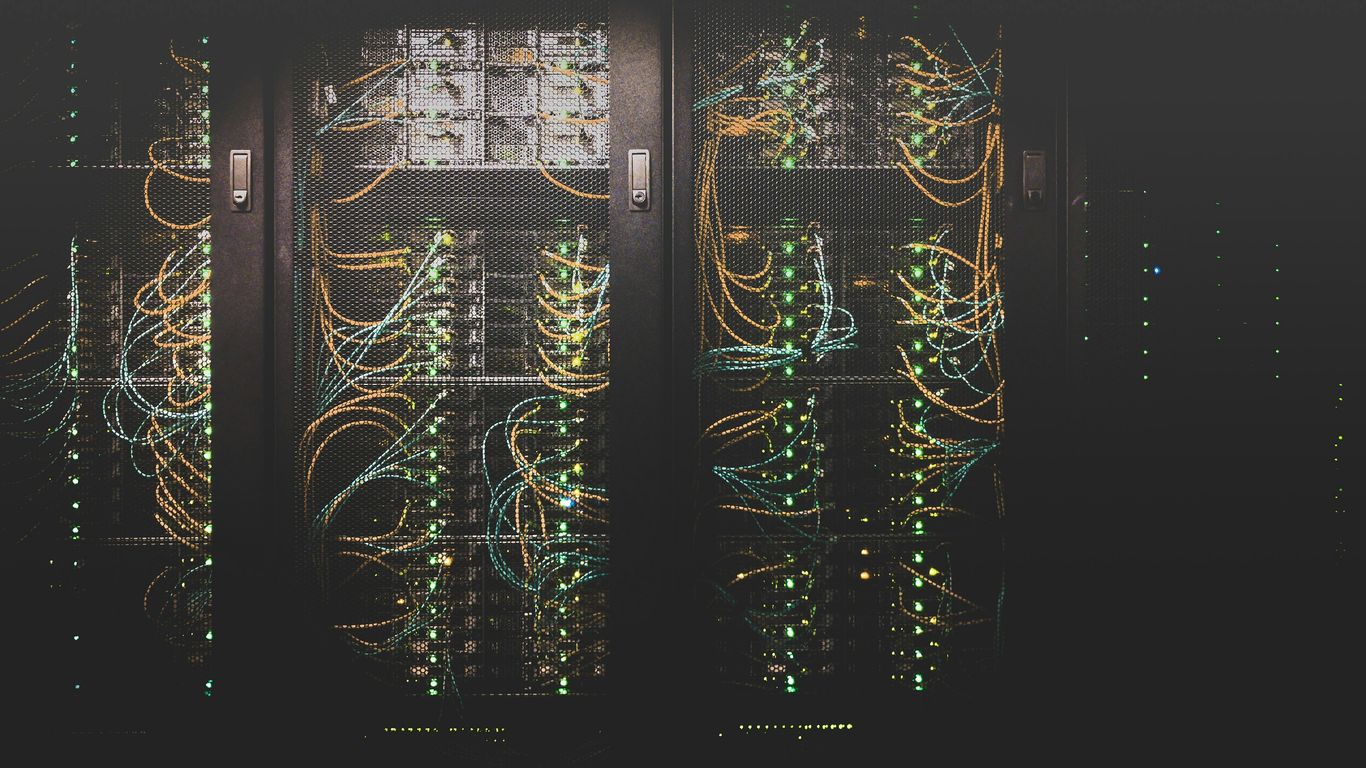
Physical hardening represents a vital layer of protection for data centers, focusing on shielding the hardware itself from ionizing radiation and electrical surges. Because these events can strike without warning, having a fortified environment minimizes the risk of catastrophic systemic damage. Switch Defense emphasizes that physical security is not just about human access but about protecting the integrity of the computing machines that sustain our digital processes.
Implementing surge protection for power distribution units
Advanced surge protection at the unit level is essential to mitigate the immediate impact of geomagnetic currents feeding back from the grid. By installing multi-stage suppression devices, operators can disconnect or shunt harmful electrical spikes before they reach server arrays. It is a necessary safeguard that acts as the front line for sensitive internal equipment.
Evaluating the role of shielding for server enclosures
Shielding strategies involve using Faraday-cage techniques or specialized materials to prevent electromagnetic fields from interacting directly with internal electronic components. While complete enclosure replacement is costly, selective shielding of communication interfaces and core processing modules can significantly reduce vulnerability. This proactive hardware modification is a core part of long-term risk attenuation.
Optimizing grounding systems for extreme solar events
Proper grounding serves as an escape path for excess energy, preventing it from building up in the circuits of critical servers. Operators should audit their current grounding grid to ensure it can handle transient high-current loads without failing or causing secondary hazards to personnel. Upgrading these pathways keeps equipment stable during the electrical flux common in solar storms.
Monitoring real-time space weather data for alert triggers
Real-time monitoring allows organizations to move from a reactive posture to a proactive state by integrating space weather alerts into their operational dashboards. By tracking solar activity via reliable feeds, teams can initiate protective measures, such as disconnecting sensitive systems before a storm reaches its peak intensity. This vigilance is a cornerstone of a dependable and resilient infrastructure strategy.
Implementing offline and immutable data strategies
Data protection must go beyond daily snapshots to ensure that records remain available even if primary infrastructure suffers deep, lingering damage. Immutable backup solutions provide a safety net by creating copies that cannot be altered or corrupted by external electromagnetic influence. Building these layers of redundancy is vital for long-term viability in our interconnected and complex world.
Establishing air-gapped backup protocols
Air-gapping is the process of physically separating backup storage from all active networks, effectively isolating data from any signal-induced disruption. This practice ensures that even in the case of a total network collapse, a clean, readable version of essential data remains accessible for restoration. It is the gold standard for high-assurance continuity planning.
Utilizing tape or cold storage for long-term data preservation
Physical media like magnetic tape remains highly effective for long-term storage because it is largely immune to the real-time electrical fluctuations that plague online servers. By moving essential data to offline cold storage, organizations can ensure that their most important information is kept entirely removed from the grid. This approach is an essential element in the Switch Defense philosophy of total infrastructure autonomy.
Validating backup integrity against signal-induced data corruption
Regularly checking backups for corruption is just as critical as the act of backing up itself, as solar events can manifest as subtle data errors in digital storage. Implementing routine integrity checks confirms that information remains intact and usable, preventing the organization from discovering gaps during a period of crisis. Validation testing should occur on a set schedule and following any significant solar alert.
Integrating off-site data replication strategies
Off-site replication ensures that a geographic loss of infrastructure does not equal the loss of company data. By spreading storage across secure locations far from one another, businesses maintain a higher probability of sustaining critical processes. This distribution tactic provides an additional layer of safety against the rare but disruptive nature of regional solar events.
Planning communication continuity during signal interference

Interference with signal propagation typically disrupts global positioning systems, satellite links, and standard internet protocols, causing what is often known as a network outage. Switch Defense encourages leaders to prepare for scenarios where their internal digital tools are rendered completely unusable. A firm must have an established, documented backup plan that allows for command execution without digital assistance.
Deploying satellite-independent communication alternatives
When satellite systems become unreliable, shortwave or hard-wired alternative communications provide the only way to relay information. Organizations should stock these devices and train their staff on their usage to ensure that key stakeholders can stay in touch during a prolonged event. Relying on diverse technologies prevents communication from becoming a single point of failure.
Managing internal coordination during wide-area network outages
Internal coordination requires a pre-arranged protocol that determines how teams communicate when the web is down. This involves delegating authority, establishing physical meeting points, and using non-digital status boards to track response efforts. Establishing a decentralized structure keeps the organization functioning when the head office is unable to transmit data.
Creating procedures for manual system overrides
Manual overrides allow for the physical manipulation of systems that are otherwise managed by automated software, ensuring control is maintained even with broken digital interfaces. These procedures must be written, stored in physical binders, and tested regularly so that personnel can operate them under stress. Manual capability is the ultimate fail-safe for critical infrastructure.
Communicating with external stakeholders in a fragmented network
Transparency is essential when providing updates to partners and regulators during an ongoing outage. Keeping external stakeholders informed via offline channels helps maintain trust and prevents the spread of misinformation during a crisis. Organizations should maintain pre-drafted message templates for such scenarios, ensuring clear communication regardless of the technical environment.
Adapting disaster recovery and business continuity frameworks
Business continuity planning for solar threats forces leaders to think beyond standard recovery windows, as outages may last longer than typical hardware failures. Switch Defense helps teams define their essential needs so they can continue operating despite external pressures. By preparing for the worst-case scenario, firms protect their reputation and ensure that they can meet their critical obligations.
Redefining recovery time objectives for regional blackouts
Recovery time objectives must be adjusted when a solar event creates large-scale regional disruptions that prevent the immediate arrival of support resources. Standard targets of hours or days may need to be revised to accommodate extended offline capabilities, forcing a more realistic assessment of recovery speed. This adjustment helps in managing expectations for both leadership and clients.
Prioritizing critical business services for graceful degradation
Not all functions provide the same value during a crisis, and identifying the critical services that must survive is fundamental to success. By staging a graceful degradation of service—turning off non-essential systems to conserve power and bandwidth—a company preserves resources for its most vital business flows. This prioritization ensures that the most important commitments are met first.
Mapping dependency chains for essential infrastructure
Understanding how your operations rely on energy, water, transportation, and data providers reveals the vulnerabilities inherent in your supply chain. Mapping these chains allows the organization to identify which third-party dependencies are likely to fail first during a widespread storm. Armed with this map, teams can develop targeted contingency plans for each critical link.
Establishing emergency protocols for power grid instabilities
Power instability protocols focus on the orderly shutdown and subsequent reactivation of internal systems to prevent damage from erratic fluctuating waveforms. These protocols need to be clearly communicated and practiced to avoid confusion during the critical moments when voltage deviates from normal levels. The goal is to maximize equipment life and ensure a clean reboot when stability returns.
Managing third-party and grid-dependent dependencies
Large enterprises rely heavily on external cloud providers, which creates an implicit trust in the resilience of those services. However, solar events test these trust relationships at a system-wide scale, often making it difficult to pinpoint where the responsibility lies when service ceases. Switch Defense provides guidance on how to evaluate the contracts and SLAs governing these vital relationships for better organizational safety.
Assessing cloud service provider mitigation capabilities
Cloud providers hold significant power over your ability to restore operations, making their own solar preparedness a primary concern for your risk management. You should directly inquire about how these providers plan to protect their server farms against geomagnetic damage. Understanding their posture allows you to adjust your internal expectations and backup strategies accordingly.
Evaluating contractual resilience against force majeure solar events
Force majeure clauses often exclude payment or performance in the face of acts of God like solar storms, leaving customers without coverage or support. Reviewing these contracts ensures you know your exposure and can seek additional insurance or alternatives where necessary. Legal readiness is just as critical as technical readiness when dealing with wide-scale systemic risk.
Diversifying critical energy supply and connectivity routes
Diversification involves not just using multiple providers but also using fundamentally different technologies, such as cellular backhaul versus fiber-optic cabling. By spreading infrastructure reliance across varied physical paths, you decrease the likelihood that a solar event hits all links simultaneously. This strategy creates a robust network that can survive local and regional failures.
Orchestrating cross-sector incident response with vendors
Orchestrating response efforts with vendors involves integrating your incident response plans to ensure that communication lines stay open even when standard channels fail. Having pre-defined contact points and shared protocols streamlines the process of recovering from a shared disruption. Collaboration is the most efficient way to achieve Switch Defense levels of continuity across multiple organizations.
Validating readiness through targeted exercises
Readiness is not a static property but a dynamic capability that is built through regular simulation and improvement. Without consistent testing, even the best-laid plans are likely to fail under the stress of a real-world geomagnetic event. Utilizing Switch Defense frameworks for tabletop exercises ensures that each team understands its role perfectly when the lights go out.
Designing tabletop scenarios for geomagnetic storms
Tabletop exercises force participants to confront the specific challenges of solar events, such as the total loss of cellular signal and the degradation of data accuracy. These simulations highlight gaps in communication, logistics, and decision-making that don’t appear in standard document reviews. By forcing teams to work through these scenarios, planners build institutional memory.
The following table illustrates a simple assessment framework for tracking readiness across different service domains during a simulated solar event:
| Service Domain | Resilience Rating | Required Action | Priority |
|---|---|---|---|
| Internal Compute | Moderate | Install surge shielding | High |
| Connectivity | Low | Diversify fiber routes | High |
| Data Backups | Solid | Validated air-gap | Medium |
Identifying single points of failure in power dependency
Simulations are perfect for revealing hidden single points of failure, such as a backup generator that relies on a digital activation code which is unreachable during a network outage. Identifying these dependencies allows you to replace them with manual overrides or hardened analog components. A thorough exercise will stress-test every assumption you make about your power grid.
Incorporating space weather forecasts into operational workflows
Operational workflows should include a trigger protocol for when space weather reaches pre-defined risk thresholds. By mandate, teams must be trained to review these forecasts daily, just as they might review climate logs or local utility reports. Once this becomes a standard habit, the organization’s response becomes faster and more intuitive.
Documenting lessons learned for future resilience updates
Documenting the outcomes of your exercises is vital to ensure that every mistake made in simulation makes the company stronger next time. These lessons should directly feed into future Switch Defense resilience updates, ensuring the documentation stays current with the changing threat environment. Continuous improvement is the true measure of a mature cybersecurity program.
Conclusion
Solar activity requires a strategic shift in how we think about digital continuity and infrastructure security. By treating these events as inevitable, manageable risks rather than distant theoretical threats, organizations can implement the physical, operational, and data-driven safeguards required to maintain stability. Resilience is an ongoing investment in autonomy and recovery that secures your business against the most uncertain forces in our environment.
Frequently Asked Questions
Can a solar flare destroy all electronics simultaneously?
Solar flares do not typically destroy all electronics at once, but they can induce currents in long-distance electrical and communication lines, potentially causing widespread surges that damage connected hardware across large regions.
How often do dangerous solar storms occur?
Dangerous space weather occurs in cycles dictated by the sun’s magnetic field, with major, potentially disruptive events occurring periodically over decades rather than annually or daily.
Is my data center at risk if it has a physical security system?
Physical security systems are usually designed to prevent human intrusion rather than electromagnetic disruptions, meaning that most data centers are inherently vulnerable to solar currents unless specifically hardened against electrical surges.
Can we predict when a solar flare will hit Earth?
Scientists can track solar activity and provide warnings regarding the arrival of charged particles, allowing for a window of time—usually hours or days—to prepare and protect technical infrastructure.
Does a surge protector protect my server from all solar events?
Standard consumer surge protectors are generally insufficient for the massive, sustained geomagnetic currents produced by extreme solar events, requiring industrial-grade protection strategies instead.
Is manual system control still relevant in modern data centers?
Manual overrides are essential in modern data centers, especially when automated control systems become unresponsive due to signal interference or electrical instability.
What is the biggest mistake organizations make regarding solar preparedness?
Most organizations fail by treating space weather as a localized issue and failing to plan for the possibility of long-term outages that extend beyond their standard data recovery windows.