
Key Takeaways
Space weather events represent a critical challenge to the stability of modern interconnected societies. Understanding these phenomena is the first step toward building more resilient technological foundations.
- Solar flares and coronal mass ejections drive geomagnetic storms that directly impact Earth’s magnetosphere.
- Long-distance power transmission lines are particularly susceptible to induced currents during intense solar events.
- Satellite operations face degradation risks from particle charging, radiation damage, and increased atmospheric drag.
- Disruptions in ionospheric density impair global navigation systems and threaten critical precision timing infrastructure.
- Collaborative governance and technical hardening are essential strategies to mitigate systemic infrastructure vulnerabilities.
Understanding space weather and its impact on earth systems
The mechanics of geomagnetic storms and solar flares
The Sun maintains a state of continuous electromagnetic activity. Solar flares occur when magnetic energy stored in the solar atmosphere is suddenly released, accelerating particles at incredible velocities. When these high-energy releases interact with Space-Weather Effects on Critical Infrastructure on Earth, they define the initial phase of potential disturbances near our planet.
Interaction between solar activity and the magnetosphere
As streams of magnetized plasma flow from the Sun, they impact our protective geomagnetic bubble. This interaction can compress the magnetosphere, fluctuating magnetic fields directly at the surface. At Switch Defense, we emphasize that these interactions are not just astronomical curiosities but are significant risks to technical systems.
Classifying the intensity of space weather events
The National Oceanic and Atmospheric Administration uses the G-scale to categorize geomagnetic storms. This system measures the potential impact on Earth’s technological infrastructure, ranging from minor radio disturbances to potential power grid collapse. Understanding this severity scale is a foundational step in assessing space weather infrastructure vulnerability.
Historical precedents of major geomagnetic disturbances
History provides sober examples of what happens when massive solar events strike. The Carrington Event of 1859 remains the benchmark for extreme solar activity, showing that our modern, electrical-dependent world is far more susceptible to total service failure than earlier agrarian societies.
Vulnerability of the electric power grid
Dynamics of geomagnetically induced currents (GICs)
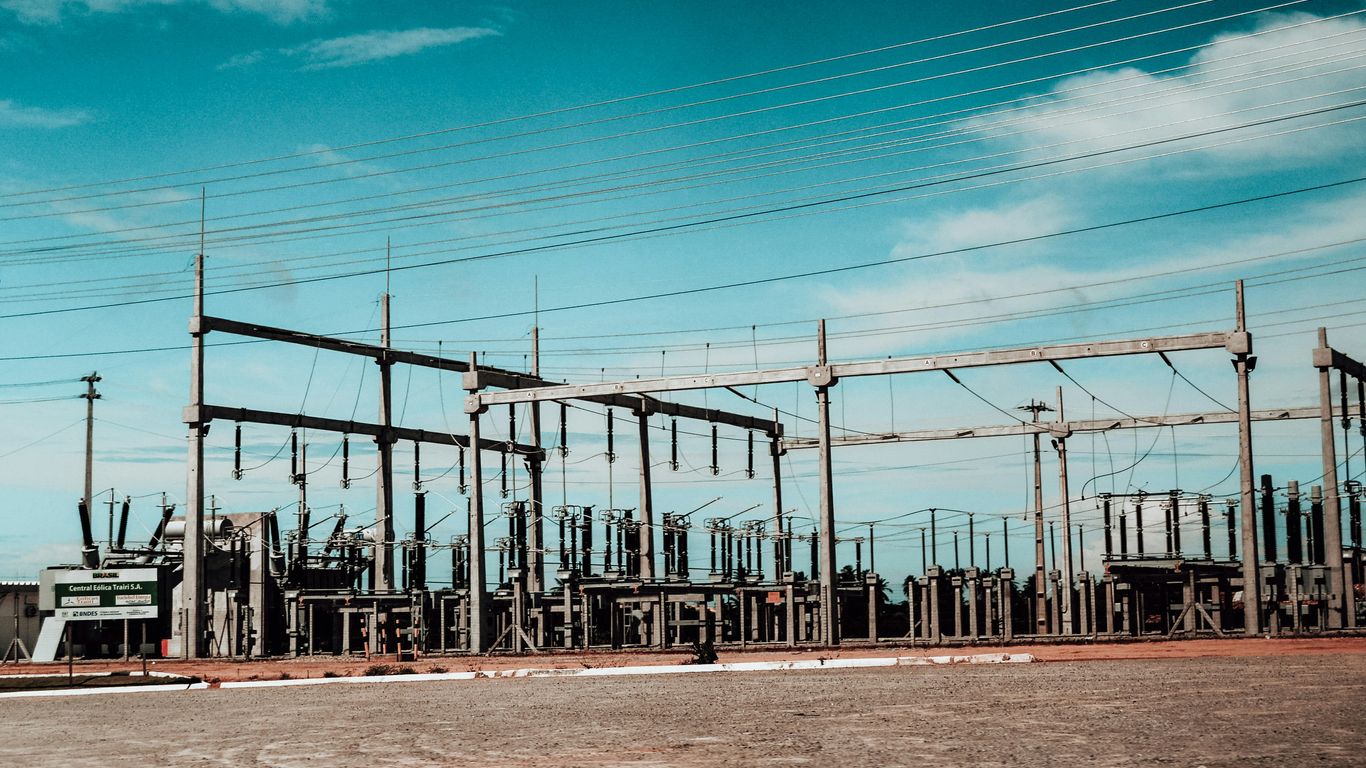
Geomagnetically induced currents arise when fluctuating magnetic fields interact with long-distance conducting infrastructure. These currents enter the grid through grounded neutral connections in power transformers. This process injects unwanted direct current, which can cause significant operational instability in standard alternating current systems.
Impact of solar activity on large-scale power transformers
Transformers are designed to handle specific flux levels within their magnetic cores. When GICs produce saturation, the transformer can overheat rapidly and fail catastrophically. The damage is often internal, requiring long lead-time repairs or total replacement, which creates extended downtime for regions relying on that service.
Risk of cascading blackouts and system-wide instability
If multiple high-voltage nodes fail simultaneously during a solar storm, the resulting load stress can trigger an automatic protective shutdown across the wider network. This loss of stability can be seen in the following table detailing infrastructure threats:
| Infrastructure Type | Primary Solar Impact | Potential Consequence |
|---|---|---|
| Power Transmission | GIC Induction | Transformer Overheating |
| Satellite Electronics | Internal Charging | Logic Error/Failure |
| GNSS Receivers | Ionospheric Scintillation | Loss of Accuracy |
Switch Defense helps maintain situational awareness by highlighting how these infrastructure threats depend on each other for grid reliability.
Challenges in hardening existing high-voltage transmission lines
Retrofitting thousands of miles of existing transmission lines requires immense capital and significant operational planning. Engineers must balance the need for blocking devices with the physical limitations of the network. This remains a central challenge when addressing infrastructure connectivity risk in legacy systems.
Risks to satellite operations and orbital infrastructure
Surface and internal charging of spacecraft electronics
Spacecraft moving through high-flux plasma environments accumulate electric charges. If the discharge of this energy is uneven, it can arc across sensitive internal microelectronics, leading to permanent hardware damage. This process happens on timescales that traditional hardened systems struggle to predict without continuous monitoring.
Atmospheric drag and the acceleration of orbital decay
Heating in the upper atmosphere during solar storms causes the thermosphere to expand outward. Low-Earth orbit satellites experience increased drag, causing them to lose altitude faster than predicted. This effect disrupts mission timelines and decreases the functional lifespan of assets that lack fuel for immediate orbital maneuvering.
Interference with command, control, and communication links
Radio frequency bursts and ionospheric distortion can block or degrade the primary uplink and downlink segments. If ground controllers lose the ability to manage telemetry and frequency synchronization, the satellite may enter an unrecoverable state, becoming a derelict object or an obstacle for other spacecraft.
Solar array damage and power system degradation
High-energy particles can cause displacement damage to solar cells, gradually reducing a spacecraft’s power margin. As the cells degrade, the internal systems must be throttled down to ensure mission-critical components receive enough energy to function correctly, hindering the overall vital space asset capability.
Impact on global navigation and communication networks
Disruptions to high-frequency radio and emergency communications
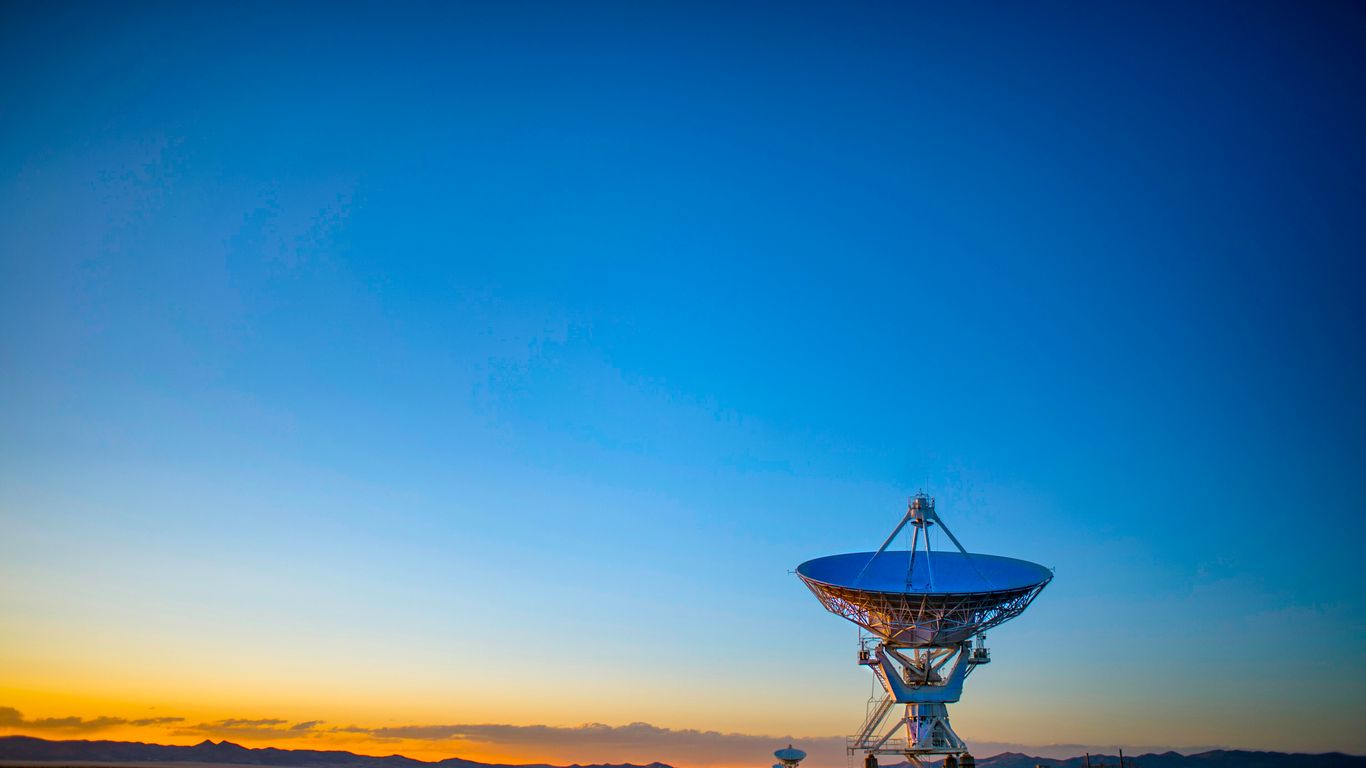
High-frequency radio relies on the ionosphere to refract signals over the horizon. During solar events, this layer of the atmosphere becomes overly ionized, absorbing or scattering waves entirely. This leaves responders unable to communicate during critical periods when societal infrastructure stability is already under pressure.
Ionospheric disturbances affecting global navigation satellite system (GNSS) accuracy
Signal delays caused by fluctuations in the ionospheric electron density frequently lead to positional inaccuracies. For systems that rely on meter-level precision, this jitter can effectively stop operations. As discussed in our analysis of digital platform resilience, Switch Defense suggests that reliance on GNSS-based precision requires secondary, ground-based backups.
Vulnerabilities in subsea communication cable repeater systems
Subsea cables carry the vast majority of our global data. While the cables themselves are largely protected at the bottom of the ocean, the repeaters that power them are vulnerable to power grid fluctuations or transient electromagnetic noise. These repeaters are difficult to maintain and are essential for maintaining digital connectivity stability.
Impact on precision timing and frequency synchronization infrastructure
Modern financial systems and micro-power grids depend on precision timing signals. The following steps highlight how one might build resilience against timing drifts:
- Deploy terrestrial atomic clock clusters as secondary timing sources.
- Implement real-time monitoring of GNSS signal integrity indices.
- Integrate local oscillators to maintain phase continuity during signal loss.
- Apply hardened signal filters to negate wide-spectrum electromagnetic noise.
These proactive steps reduce the window of vulnerability during atmospheric disturbances. Engineers must use these methods to ensure that timing infrastructure does not become a single point of failure during high-activity solar cycles.
Engineering and infrastructure resilience strategies
Hardening transmission systems with blocking devices
Neutral blocking devices effectively shunt GICs away from sensitive transformer components. By redirecting the current, these devices protect the integrity of the core, ensuring the transformer survives the geomagnetic event. Implementing these is a classic example of infrastructure failure mitigation.
Deployment of advanced real-time monitoring and sensor networks
Deploying magnetometers across the continent allows grid operators to see the storm’s progression in real-time. This provides the lead time necessary to adjust load and isolate sensitive segments of the network before the strongest solar wind arrives.
Operational protocols for proactive load management during solar events
Grid operators must follow pre-planned load shedding strategies to dampen the potential effect of GICs on central nodes. Managing load preemptively reduces the system’s susceptibility to accidental trip-outs that occur under high current load conditions.
Designing redundant architectural backups for critical communication paths
Redundancy is critical when primary satellite and radio signals fluctuate. Relying on fiber networks that serve as an independent layer helps ensure that critical instructions can reach their destination regardless of current ionospheric interference.
Governance and emergency preparedness frameworks
Role of government agencies in space weather forecasting and alert systems
Centralized agencies provide the data streams that commercial operators need to protect their infrastructure. Timely alerts are the difference between a minor operational hiccup and a multi-billion dollar piece of hardware being rendered useless during a storm.
Integrating space weather risk into national critical infrastructure assessments
National security planners must treat space weather as a consistent tier-one threat in their annual risk assessments. By normalizing this risk alongside cyber threats, they ensure that resource allocation for physical resilience is prioritized correctly.
Standardization of industry-wide response and recovery protocols
Industries must share protocols across borders to ensure that a localized disturbance does not turn into a continent-wide failure. Consistent standards for equipment hardening help maintain interoperability during the recovery phase.
Public-private collaboration in long-term infrastructure resilience planning
Building a robust society depends on sharing diagnostic data between private owners and government monitors. This collaborative approach, combined with the educational focus provided by Switch Defense, ensures that stakeholders at every level are ready to act when the forecasts signal an imminent storm.
Conclusion
Addressing the risks posed by solar activity demands a comprehensive commitment to understanding our interconnected technological vulnerabilities. By prioritizing proactive hardening, investing in resilient architecture, and fostering collaborative governance, we can move toward a future where our most essential systems become less fragile in the face of natural celestial events, ultimately protecting the societal functions that depend on stable infrastructure.
Frequently Asked Questions
How often do extreme space weather events occur?
Extreme events are relatively rare, but smaller geomagnetic storms occur frequently throughout current solar cycles.
Can we predict the exact time a solar flare will strike Earth?
Forecasters can predict the arrival time of coronal mass ejections with reasonable accuracy, though the exact magnetic intensity of the event remains difficult to pin down until it arrives.
Is the power grid the only infrastructure affected by solar storms?
No, space weather impacts aerospace, satellite navigation, telecommunications, and high-latitude energy pipelines.
Why are modern power grids more vulnerable than earlier systems?
Modern society is more dependent on high-voltage networks that leverage thousands of miles of wire, creating unintended paths for induced current flow.
What is a geomagnetic storm?
It is a massive disturbance in the Earth’s magnetosphere that occurs when solar wind plasma interacts with the planet’s magnetic field.
Are there any protective measures that can be taken now?
Yes, infrastructure hardening, real-time monitoring, and the development of backup terrestrial communications are proven strategies to mitigate these risks.
Can we fully prevent all damage from solar activity?
While we cannot prevent the storms themselves, infrastructure hardening and resilient architecture can drastically reduce the scale and impact of service disruption.