
Biometric data, like fingerprints and facial scans, is becoming more common. But with this convenience comes a big responsibility: protecting that sensitive information. When biometric data isn’t handled right, it can lead to serious problems. This article looks at how organizations can manage the risks involved with biometric data governance exposure and what steps they need to take to keep things safe.
Key Takeaways
- Understanding biometric data and its unique risks is the first step in managing governance exposure.
- Establishing clear governance frameworks, policies, and standards is vital for effective biometric data management.
- Robust access controls, including least privilege and multi-factor authentication, are critical for protecting biometric data.
- Compliance with global regulations and industry-specific requirements is non-negotiable to avoid penalties and maintain trust.
- Proactive measures like threat detection, incident response planning, and security awareness training are essential for minimizing biometric data governance exposure.
Understanding Biometric Data Governance Exposure
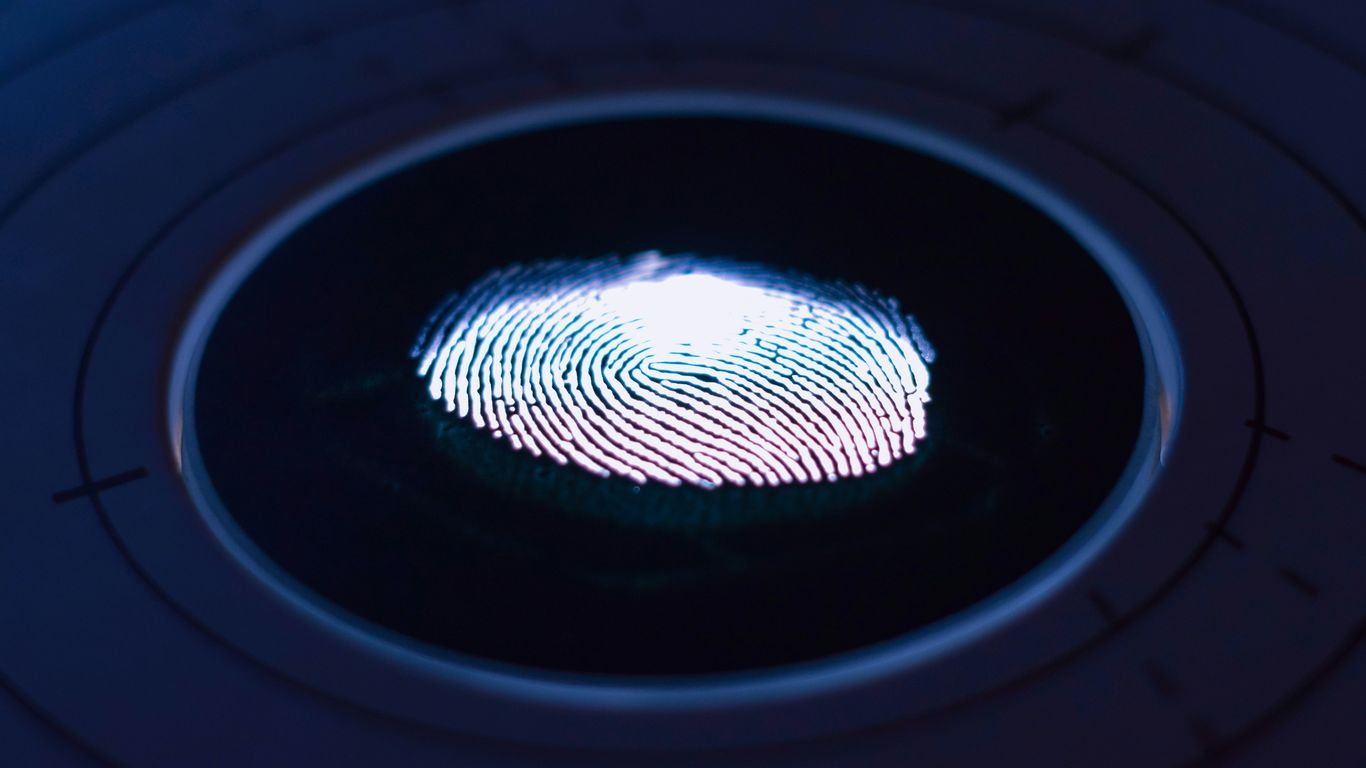
Biometric data, like fingerprints, facial scans, or voice patterns, is unique to individuals. This makes it incredibly sensitive. When this data isn’t managed properly, it creates significant risks. Think about it: if someone’s fingerprint data gets out, it’s not like a password you can just change. It’s with them forever. This is where governance exposure comes into play. It’s all about the potential for harm that arises from weak controls or poor management of this sensitive information.
Defining Biometric Data and Its Unique Risks
Biometric data refers to physical or behavioral characteristics used to identify individuals. This includes things like fingerprints, iris scans, voiceprints, and even gait. The unique nature of this data means that once compromised, it cannot be easily revoked or reset, unlike a password. This permanence amplifies the potential impact of a breach. For instance, unauthorized access to biometric templates could lead to identity theft or fraudulent activities that are very hard to trace back and fix. The risks are not just theoretical; they have real-world consequences for individuals and organizations.
The Evolving Landscape of Biometric Data Usage
We’re seeing biometric data used more and more these days. It’s not just for unlocking your phone anymore. Companies are using it for employee access, customer authentication, and even personalized services. This wider adoption means more data is being collected, stored, and processed. With this expansion comes a greater attack surface and more opportunities for things to go wrong. Keeping up with how this technology is being used and the associated risks is a constant challenge.
Key Governance Challenges for Biometric Information
Managing biometric data presents several governance hurdles. One major issue is consent and transparency – are individuals fully aware of how their data is being used and have they agreed to it? Another challenge is the secure storage and processing of this highly sensitive information. Many organizations struggle with implementing robust access controls to ensure only authorized personnel can access biometric data. Furthermore, keeping up with changing regulations and ensuring compliance adds another layer of complexity. It’s a balancing act between using the technology and protecting the individuals it represents.
- Data Minimization: Collecting only what is absolutely necessary.
- Purpose Limitation: Using data only for the stated purpose.
- Secure Storage: Protecting data from unauthorized access.
- Access Control: Limiting who can view or use the data.
- Transparency: Clearly informing individuals about data usage.
The sheer uniqueness and permanence of biometric identifiers mean that any lapse in governance can have long-lasting and severe repercussions for both individuals and the organizations responsible for their data. This isn’t just about following rules; it’s about protecting fundamental personal attributes.
The increasing reliance on biometrics for everything from physical security to digital authentication means that organizations must pay close attention to how this data is governed. A failure in identity and access governance can have cascading effects, making robust policies and technical safeguards absolutely necessary.
Establishing Robust Biometric Data Governance Frameworks
Setting up a solid plan for managing biometric data is super important. It’s not just about having the tech; it’s about having rules and making sure everyone follows them. Think of it like building a house – you need blueprints, good materials, and skilled workers to make sure it’s safe and sound. Biometric data, being so personal, needs that same level of care.
Core Principles of Biometric Data Governance
When we talk about governing biometric data, a few key ideas really stand out. First off, there’s transparency. People should know what data is being collected, why, and how it’s being used. Then there’s accountability – knowing who is responsible if something goes wrong. We also need to think about data minimization, which means only collecting what’s absolutely necessary. And finally, security is a big one, making sure the data is protected from unauthorized access.
Here are some of the main principles:
- Purpose Limitation: Collect and use biometric data only for specific, stated purposes.
- Data Minimization: Collect only the data that is strictly needed for the defined purpose.
- Accuracy: Ensure the biometric data collected is accurate and kept up-to-date.
- Storage Limitation: Keep biometric data only for as long as it’s necessary.
- Integrity and Confidentiality: Protect the data from unauthorized access, alteration, or disclosure.
- Accountability: Establish clear roles and responsibilities for data protection.
Building a strong governance framework isn’t a one-time task. It requires ongoing attention and adaptation as technology and threats evolve. It’s about creating a system that can stand up to scrutiny and build trust with the individuals whose data is being managed.
Integrating Biometric Data into Existing Governance Structures
Most organizations already have some form of data governance in place. The trick is to weave biometric data management into those existing systems rather than creating something entirely separate. This makes things more efficient and less confusing. It means looking at your current policies, risk assessments, and compliance checks and figuring out where biometric data fits in. For example, if you have a data classification system, you’ll want to make sure biometric data is clearly identified as highly sensitive. This helps ensure it gets the right level of protection. It’s about making sure that the rules you already have for other sensitive data also apply, and are perhaps even strengthened, for biometric information. This approach helps avoid creating silos and ensures a more unified approach to data protection across the board. It’s a smart way to build on what you’ve already established, making the process smoother and more effective. You can think about how your existing data governance practices can be extended.
The Role of Policies and Standards in Biometric Data Management
Policies and standards are the backbone of any good governance framework. They provide clear guidelines on how biometric data should be handled. This includes everything from how it’s collected and stored to who can access it and what happens when it’s no longer needed. Having well-defined policies helps prevent mistakes and ensures that everyone is on the same page. Standards, on the other hand, often refer to industry best practices or regulatory requirements that your policies should align with. For instance, a policy might state that biometric data must be encrypted, and a standard would specify the type of encryption to be used. This structured approach is vital for maintaining control and demonstrating compliance. It’s not just about having rules; it’s about having rules that are practical, enforceable, and aligned with both business needs and legal obligations. This helps create a predictable and secure environment for handling sensitive information.
Here’s a look at what these policies and standards should cover:
- Data Collection and Consent: Procedures for obtaining informed consent and clearly stating the purpose of collection.
- Data Storage and Security: Requirements for encryption, access controls, and secure storage locations.
- Data Access and Usage: Rules defining who can access biometric data, under what circumstances, and for what purposes (e.g., implementing least privilege).
- Data Retention and Deletion: Guidelines for how long data is kept and how it is securely disposed of.
- Incident Response: Procedures for handling data breaches or unauthorized access incidents involving biometric data.
- Auditing and Monitoring: Requirements for regularly reviewing access logs and system activity.
Establishing these frameworks is a proactive step that significantly reduces the potential for exposure and builds confidence in how biometric data is managed.
Mitigating Biometric Data Exposure Through Access Controls
When we talk about biometric data, we’re really talking about information that’s uniquely tied to a person. Think fingerprints, facial scans, or even voice patterns. Because this data is so personal, controlling who gets to see and use it is super important. It’s not like a password you can just change if it gets out; a compromised biometric can’t be un-compromised. That’s why setting up solid access controls is a big deal.
Implementing Least Privilege for Biometric Data Access
The idea here is simple: give people and systems only the access they absolutely need to do their job, and nothing more. This is often called the principle of least privilege. If someone only needs to view a report that uses anonymized biometric data, they shouldn’t have the ability to download the raw, identifiable scans. This limits the damage if an account gets compromised or if someone makes a mistake. It’s like giving a cashier access to the cash drawer but not the safe – they can do their job, but they can’t cause a massive problem.
Here’s a breakdown of how this works:
- Role-Based Access Control (RBAC): Assign permissions based on job roles. A customer service rep might get read-only access to verify identity, while a security analyst might have more permissions for investigations.
- Attribute-Based Access Control (ABAC): This is a bit more granular, considering user attributes (like department, location) and environmental factors (like time of day, device security) when granting access.
- Just-in-Time (JIT) Access: For highly sensitive operations, grant access only when needed and for a limited duration. This means even administrators don’t have permanent high-level access.
Limiting access isn’t just about preventing bad actors; it’s also about reducing the risk of accidental data exposure. When fewer people have access to sensitive information, the chances of an unintentional leak go down significantly.
Multi-Factor Authentication for Biometric Systems
Even with least privilege, we still need to be sure the person trying to access the data is who they say they are. That’s where multi-factor authentication (MFA) comes in. For biometric systems, this often means combining something the user knows (like a password or PIN), something they have (like a security token or a registered device), and something they are (the biometric itself). Using the biometric as one of the factors can be convenient, but it’s usually best to pair it with another factor to be safe. Relying solely on a biometric can be risky if the system is fooled or if the biometric data itself is compromised. MFA adds a really important layer of defense against unauthorized access, making it much harder for attackers to get in, even if they manage to steal a password. This is a key part of modern security, and it’s especially important for sensitive data like biometrics.
Privileged Access Management for Biometric Infrastructure
When we talk about the systems that manage and store biometric data, there are usually a few accounts with elevated privileges – think administrator accounts. These accounts have the keys to the kingdom, so to speak. Privileged Access Management (PAM) tools are designed to control, monitor, and secure these high-risk accounts. They can enforce things like requiring MFA for privileged sessions, recording all actions taken by administrators, and automatically rotating privileged credentials. This helps prevent misuse, whether it’s intentional or accidental, by those who have the most power within the biometric data infrastructure. It’s about making sure that even the people with the highest level of access are operating under strict controls and that their actions are visible.
| Control Type | Description | Biometric Data Relevance |
|---|---|---|
| Least Privilege | Granting only necessary permissions. | Minimizes exposure if an account is compromised. |
| MFA | Requiring multiple verification factors. | Verifies identity beyond just a password or biometric. |
| PAM | Securing and monitoring administrative accounts. | Protects the systems that manage biometric data. |
Ensuring Compliance and Regulatory Adherence
Staying on the right side of the law when it comes to biometric data isn’t just a good idea; it’s a necessity. Different regions and industries have their own sets of rules, and ignoring them can lead to some serious trouble. It’s like trying to drive without knowing the traffic laws – you might get away with it for a while, but eventually, you’re going to hit a snag.
Navigating Global Data Protection Regulations (GDPR, CCPA, etc.)
When we talk about biometric data, we’re talking about some of the most sensitive personal information out there. Regulations like the General Data Protection Regulation (GDPR) in Europe and the California Consumer Privacy Act (CCPA) in the US have specific requirements for how this kind of data is handled. These laws often require explicit consent for collecting biometric data, clear explanations of why it’s needed, and strong security measures to protect it. Failure to comply can result in hefty fines and significant damage to your organization’s reputation.
Here’s a quick look at what these regulations generally expect:
- Consent: You usually need clear, affirmative consent from individuals before collecting their biometric data.
- Purpose Limitation: Data should only be collected for specific, stated purposes and not used for anything else without further consent.
- Data Minimization: Collect only the biometric data that is absolutely necessary for the stated purpose.
- Security: Implement robust technical and organizational measures to protect the data.
- Individual Rights: People have rights regarding their data, like the right to access, correct, or delete it.
It’s a complex web, and staying updated is key. Keeping track of evolving requirements is an ongoing task, and sometimes it feels like the rules change just as you get used to them. Organizations often use specialized systems to help manage these notification processes, which can be a lifesaver when an incident occurs [bc71].
Industry-Specific Compliance Requirements for Biometric Data
Beyond the broad data protection laws, certain industries have their own unique compliance demands. For example, the healthcare sector might fall under HIPAA, which has strict rules about patient data, including biometrics. Financial institutions might have regulations related to customer identification and fraud prevention that involve biometric verification. Even retail might have rules about using facial recognition for security or marketing. Each sector has its own nuances, and understanding these specific requirements is just as important as the general ones. It’s not a one-size-fits-all situation.
The Impact of Non-Compliance on Biometric Data Governance Exposure
So, what happens if you don’t get it right? The consequences of non-compliance can be pretty severe. We’re not just talking about fines, though those can be substantial. There’s also the risk of lawsuits from individuals whose data was mishandled. Then there’s the reputational damage – once trust is broken, it’s incredibly hard to get back. Customers are increasingly aware of their data privacy rights, and a breach or a compliance failure can lead them to take their business elsewhere. For executives, there’s also the personal liability aspect to consider, especially when failures stem from oversight or inadequate security measures [c904]. Ultimately, non-compliance directly increases your organization’s exposure to risks associated with biometric data, making it a critical area to get right.
Technical Controls for Biometric Data Protection
When we talk about protecting biometric data, it’s not just about locking things down with passwords. We need to get into the nitty-gritty of the technology itself. This means looking at how we encrypt the data, where we store it, and how we keep the networks it travels on safe and sound. It’s like building a fortress, but for your digital fingerprints and facial scans.
Data Encryption Strategies for Biometric Information
First off, encryption is a big deal. Think of it as scrambling your biometric data so that even if someone gets their hands on it, they can’t make heads or tails of it without the right key. We’re talking about using strong algorithms to protect this information, both when it’s sitting still (at rest) and when it’s moving around (in transit). This is pretty standard stuff for sensitive data, and it’s often a requirement for regulations like GDPR and HIPAA. The goal is to make sure that if the worst happens, like a data breach, the stolen biometric information is useless to the bad guys. It’s a core part of keeping data confidential and secure.
Secure Storage and Key Management for Biometric Data
Okay, so you’ve encrypted the data. Great. But where do you keep the keys that unlock it? That’s where secure storage and key management come in. It’s not enough to just encrypt; you have to protect the keys themselves. This involves storing them separately from the encrypted data, using specialized systems designed for this purpose, and having strict rules about who can access them and when. Regular rotation of these keys is also super important. If a key gets compromised, the whole encryption scheme falls apart. This is why having a solid plan for managing these cryptographic keys is just as vital as the encryption itself. It’s a critical step in data protection.
Network Segmentation and Isolation for Biometric Systems
Finally, let’s talk about the network. Biometric systems often talk to other systems, and we don’t want a breach in one area to spread like wildfire. That’s where network segmentation and isolation come in. It’s about dividing your network into smaller, more manageable zones. If one zone gets compromised, the damage is contained. For biometric systems, this means creating specific, isolated segments that only allow necessary communication. This limits the ‘attack surface’ – basically, the number of ways an attacker can get in. It’s a way to build layers of defense, so even if an attacker gets past the outer walls, they’re still blocked from reaching the most sensitive biometric data. This approach helps limit the impact of any security incident and is a key part of a robust security architecture. For more on how to structure these defenses, looking into enterprise security architecture can provide valuable insights.
Proactive Threat Detection and Monitoring
Keeping an eye on your systems and data is super important, especially when it comes to sensitive stuff like biometrics. You can’t just set up defenses and forget about them; you need to actively watch for anything that looks off. This means having systems in place that can spot unusual activity before it turns into a full-blown problem. It’s all about being one step ahead.
User Behavior Analytics for Biometric Access Anomalies
Think about how people normally access things. User Behavior Analytics (UEBA) helps us build a picture of what ‘normal’ looks like for accessing biometric data. When someone suddenly logs in from a weird location, at an odd hour, or tries to access way more data than usual, UEBA can flag it. This kind of anomaly detection is key to spotting compromised accounts or insider threats. It’s not just about catching hackers; it’s also about finding when legitimate access is being misused. We’re looking for deviations from established patterns, which can be a sign that something isn’t right with how biometric information is being accessed.
Continuous Monitoring of Biometric Data Systems
Setting up monitoring isn’t a one-time thing. You need to keep watching all the time. This involves collecting logs from everywhere – servers, applications, network devices – and making sure they’re all in sync time-wise. By looking at these logs together, you can piece together what’s happening. It helps you see activity that might slip past simpler security checks. This constant watchfulness is what allows you to catch subtle signs of trouble early on. It’s like having a security guard who never takes a break, always scanning the perimeter.
Leveraging Threat Intelligence for Biometric Risks
Knowing what threats are out there is half the battle. Threat intelligence feeds you information about new attack methods, known bad actors, and indicators of compromise. When you integrate this into your monitoring, you can proactively look for those specific signs. For example, if a new type of malware is targeting biometric systems, and you have threat intel on it, your monitoring tools can be tuned to look for its signature or behavior. This helps you stay ahead of emerging risks and protect your biometric data more effectively. It’s about using the collective knowledge of the security community to bolster your own defenses.
| Threat Type | Detection Method | Mitigation Strategy |
|---|---|---|
| Compromised Credentials | UEBA, Login Anomaly Detection | MFA, Least Privilege Access |
| Insider Misuse | UEBA, Access Pattern Monitoring | Data Loss Prevention (DLP), Access Audits |
| Malware Infection | Network Traffic Analysis, Endpoint Monitoring | Antivirus, EDR, Network Segmentation |
| Phishing/Social Engineering | User Reporting, Email Filtering | Security Awareness Training, Verification Procedures |
Incident Response and Recovery Planning
When a security event involving biometric data happens, having a solid plan to deal with it is super important. It’s not just about fixing the problem, but also about getting things back to normal as quickly as possible and learning from what went wrong. This whole process is about minimizing damage and making sure it doesn’t happen again.
Developing an Incident Response Plan for Biometric Data Breaches
First off, you need a plan. This isn’t something you want to be figuring out on the fly. Your plan should clearly lay out who does what when a breach occurs. Think about:
- Roles and Responsibilities: Who’s in charge of declaring an incident? Who handles communication? Who’s on the technical team?
- Communication Channels: How will everyone involved talk to each other? This includes internal teams, legal, and potentially external parties.
- Escalation Procedures: When does a minor issue become a major incident that needs higher-level attention?
- Documentation: Keep detailed records of everything that happens. This is vital for later analysis and any legal or regulatory needs.
A well-documented incident response plan is your first line of defense against chaos. It helps keep everyone focused and reduces the chances of critical steps being missed during a stressful event. Having this ready means you’re not starting from scratch when the pressure is on.
Containment and Eradication Strategies for Biometric Compromises
Once an incident is detected, the next step is to stop it from spreading. This is containment. For biometric data, this might mean:
- Isolating Affected Systems: If a server holding biometric templates is compromised, you’d want to disconnect it from the network to prevent further access or data exfiltration.
- Revoking Access: Immediately disable any compromised accounts or credentials that might have been used to access the biometric data.
- Blocking Malicious Activity: If you can identify the source of the attack, block its communication channels.
After containment, you move to eradication. This is about getting rid of the threat entirely. For biometric systems, this could involve:
- Removing Malware: If malware was involved, cleaning it from affected systems.
- Patching Vulnerabilities: Fixing the security holes that allowed the breach in the first place. This is a key part of preventing future issues.
- Resetting Credentials: Changing passwords and reissuing any compromised access tokens.
Post-Incident Review and Lessons Learned for Biometric Governance
This is where the real learning happens. After the dust has settled and systems are back online, you need to look back at what occurred. A thorough review should cover:
- Root Cause Analysis: What exactly caused the incident? Was it a technical flaw, a human error, or a combination?
- Response Effectiveness: Did the incident response plan work as expected? What went well, and what didn’t?
- Impact Assessment: What was the actual damage? How much data was affected? What was the business impact?
- Improvement Opportunities: Based on the review, what changes need to be made to policies, procedures, or technical controls? This is critical for strengthening your privacy governance program.
This review process isn’t just a formality; it’s a chance to make your biometric data governance stronger. By understanding the weaknesses exposed during an incident, you can implement targeted improvements that make your systems more resilient. It’s all about continuous improvement to stay ahead of evolving threats and maintain trust.
Third-Party Risk Management for Biometric Data
When your organization works with external partners, vendors, or service providers who handle biometric data, you’re opening up a new set of risks. It’s not just about your own systems anymore; it’s about how well those third parties protect the sensitive information you entrust to them. Think of it like lending out a valuable tool – you want to be sure the person borrowing it knows how to use it safely and won’t break it or lose it. This is especially true for biometric data, which is unique and can’t be changed if compromised.
Assessing Vendor Security for Biometric Data Handling
Before you even sign a contract, you need to really look into how potential vendors handle data. This isn’t a quick check-box exercise. You should be asking about their security practices, their certifications, and how they train their staff. What kind of security measures do they have in place to protect biometric information specifically? Do they encrypt it? How do they control who can access it? It’s about understanding their security posture and making sure it aligns with your own standards and legal obligations. A good starting point is to ask for their security documentation and perhaps even conduct an on-site audit if the risk is high enough. This due diligence is key to preventing future headaches.
Contractual Safeguards for Third-Party Biometric Data Access
Once you’ve chosen a vendor, your contract needs to be crystal clear about responsibilities. This means spelling out exactly how they must protect the biometric data, what they can and cannot do with it, and what happens if there’s a breach. You’ll want clauses that require them to notify you immediately if any sensitive data is compromised. Also, make sure the contract includes requirements for them to implement specific security controls, like access limitations and encryption, and that they agree to regular security assessments. This provides a legal framework for accountability. It’s also wise to include provisions that allow you to audit their compliance with these terms. Managing external cyber risk effectively relies heavily on these contractual agreements.
Continuous Monitoring of Third-Party Biometric Data Exposure
Signing a contract isn’t the end of the story. Vendor security can change, and threats evolve. You need a plan for ongoing monitoring. This could involve periodic security questionnaires, reviewing audit reports, or using third-party risk management tools that track vendor security performance. If a vendor experiences a security incident, you need to know about it quickly. This allows you to assess the impact on your data and take appropriate action. Early detection and careful triage of security incidents involving third parties are vital. It’s about staying vigilant and not assuming that once a vendor is approved, they remain secure indefinitely.
The Human Element in Biometric Data Security
When we talk about protecting biometric data, it’s easy to get lost in the technical details of encryption and access controls. But we can’t forget about the people involved. Human actions, or inactions, are often the weakest link in any security chain. Think about it: even the most advanced systems can be bypassed if someone makes a mistake or is tricked.
Security Awareness Training for Biometric Data Handlers
It’s not enough to just tell people "be secure." We need to actively train those who handle biometric information. This means understanding what biometric data is, why it’s sensitive, and what specific risks are associated with it. Training should cover:
- Recognizing phishing attempts and other social engineering tactics.
- Properly handling and storing biometric data, following established procedures.
- Knowing when and how to report suspicious activity or potential security incidents.
This isn’t a one-and-done deal, either. Regular, updated training keeps people sharp and aware of new threats. It’s about building a habit of security, not just a checklist item. For instance, understanding how behavioral biometrics works can help staff recognize when a system might be under attack by someone mimicking a legitimate user’s patterns.
Addressing Social Engineering Risks Targeting Biometric Information
Social engineering is a big one. Attackers prey on human trust and curiosity. They might impersonate IT support to get someone to reveal login details, or a fake executive might request urgent access to sensitive systems. With biometric data, this could involve tricking someone into enrolling a fake fingerprint or face scan, or convincing them to grant unauthorized access. It’s a constant game of cat and mouse, and attackers are getting smarter, using AI to make their scams more convincing. We need to be vigilant and have clear procedures for verifying requests, especially those that seem unusual or urgent. Having strong identity and access governance in place helps limit the damage if someone is fooled.
Fostering a Culture of Security Around Biometric Data
Ultimately, technical controls are only part of the solution. We need to build a workplace where security is everyone’s responsibility. This means leadership needs to show they care about security, making it a priority in decisions and resource allocation. When people feel empowered to speak up about security concerns without fear of reprisal, and when they see security as a shared goal, that’s when you start to build a strong security culture. It’s about making security a natural part of how we work every day, not an afterthought.
The human element is not just about training; it’s about creating an environment where people are motivated to act securely. This involves clear communication, accountability, and recognizing that mistakes can happen, but the focus should always be on learning and improving.
Quantifying and Reporting Biometric Data Governance Exposure
So, you’ve got all these biometric systems in place, collecting fingerprints, facial scans, maybe even iris patterns. That’s pretty cool, but it also means you’ve got a whole new set of risks to think about. How do you even begin to measure that risk? It’s not like you can just count the number of fingerprints you have. We need ways to actually put a number on how exposed we are.
First off, let’s talk about what we’re even measuring. It’s not just about the raw data, but also about the systems that handle it, the access controls, and how well everything is protected. Think of it like this:
| Risk Area | Potential Impact |
|---|---|
| Unauthorized Access | Identity theft, impersonation, data breaches |
| Data Tampering | Compromised authentication, false positives/negatives |
| System Downtime | Inability to authenticate, operational disruption |
| Non-Compliance | Fines, legal action, reputational damage |
| Insider Threats | Data exfiltration, system sabotage |
To get a handle on this, we need to look at a few key things. It’s about understanding the likelihood of something bad happening and then figuring out what the damage would be if it did. This helps us prioritize where to put our security efforts. For instance, are we more worried about someone getting unauthorized access to our facial recognition database, or is the bigger concern a system outage during peak hours?
We also need to track how well our defenses are actually working. This means looking at metrics. Are we seeing a lot of failed login attempts for biometric systems? How quickly are we responding to alerts related to biometric data access? These kinds of indicators give us a real-time view of our exposure. It’s about moving beyond just having policies to actually seeing if those policies are making a difference on the ground. This kind of measurement is key to building a robust security posture and helps in benchmarking your security program against others.
Reporting this kind of exposure isn’t just for the IT department. Leadership needs to understand the risks too. We need to translate technical jargon into business terms – what does a biometric data breach mean for the company’s bottom line, its reputation, and its customers? Clear, concise reporting is vital for getting the resources needed to manage these risks effectively.
Finally, we need to think about how we’re managing access to these sensitive systems. Just like with any other critical data, applying the principle of least privilege is super important. Nobody should have more access than they absolutely need to do their job. This applies to the people managing the biometric systems as well as the systems themselves. Regular audits and reviews of who has access to what are non-negotiable.
Moving Forward with Biometric Data Governance
So, we’ve talked a lot about how biometric data is out there and how it can be a bit of a headache from a security and management standpoint. It’s clear that just collecting this kind of information isn’t enough. We really need solid plans in place for how it’s handled, who can see it, and what happens if something goes wrong. This means setting up clear rules, checking that they’re being followed, and being ready to act fast if there’s a problem. Thinking about this now, before issues pop up, is way better than trying to clean up a mess later. It’s about being smart and prepared with this sensitive data.
Frequently Asked Questions
What exactly is biometric data?
Biometric data is information about your body or how you act, like your fingerprint, face shape, or how you walk. It’s unique to you and can be used to identify you.
Why is biometric data considered risky?
Because this data is part of you, if it gets stolen, it can’t be changed like a password. This means someone could potentially use it forever to pretend to be you, which is a big problem.
What does ‘governance’ mean for biometric data?
Governance is like having rules and a plan for how biometric data is collected, used, stored, and protected. It makes sure it’s handled responsibly and safely.
How can companies protect biometric data better?
Companies can protect it by only letting specific people access it when they absolutely need to, using strong security like multiple passwords or codes, and keeping the data very safe with encryption.
Are there laws about using biometric data?
Yes, many places have laws like GDPR and CCPA that set rules for how companies must handle personal information, including biometric data, to protect people’s privacy.
What happens if a company doesn’t protect biometric data well?
If a company fails to protect this data, they could face big fines from governments, lose the trust of their customers, and suffer damage to their reputation. It can also lead to serious harm for the individuals whose data was exposed.
How can we know if a company is using our biometric data safely?
You can look for clear privacy policies, understand what data they collect and why, and be aware of the security measures they claim to have in place. Asking questions is important.
What’s the biggest danger when it comes to biometric data security?
One of the biggest dangers is when this unique data gets stolen and can’t be changed. This makes it a permanent risk for anyone whose data is compromised, unlike a password that can be reset.