
Keeping track of everything happening on your computers and servers is a big job. You need to collect all sorts of information, like what programs are running, who’s logging in, and what files are being accessed. Then, you have to make sense of it all. That’s where endpoint telemetry correlation systems come in. They help connect the dots between different pieces of data to spot trouble before it gets out of hand. It’s like putting together a puzzle to see the whole picture of what’s going on.
Key Takeaways
- Endpoint telemetry correlation systems gather data from devices to spot security issues.
- Collecting and organizing data from different sources is step one.
- Connecting these data points helps find threats that might otherwise be missed.
- These systems help security teams respond faster and investigate incidents more effectively.
- Future systems will likely use more AI to automatically find and fix problems.
Core Concepts of Endpoint Telemetry Correlation Systems
Defining Endpoint Telemetry Correlation
Endpoint telemetry correlation is all about connecting the dots between different pieces of information coming from your devices. Think of it like a detective piecing together clues. Instead of just looking at one event on one computer, we’re looking at how events on multiple endpoints might be related. This helps us spot patterns that might otherwise go unnoticed. The main goal is to turn a flood of raw data into actionable security insights. It’s not just about collecting logs; it’s about making sense of them in relation to each other. This process is key for understanding what’s really happening across your network.
Telemetry Sources and Data Types
Endpoints generate a lot of different kinds of data, or telemetry. This can include things like:
- Process activity: What programs are running, and what are they doing?
- File system changes: New files created, modified, or deleted.
- Network connections: Which devices are talking to each other, and over what ports?
- Registry modifications: Changes made to Windows system settings.
- User login events: Who logged in, when, and from where?
- Command-line execution: What commands are users or processes running?
Each of these data points, on its own, might not mean much. But when you collect them from many devices and look for connections, you start to see a bigger picture. For example, a suspicious process starting on one machine, followed by unusual network traffic from that same machine, and then a login from a new user account on another device – these could all be linked.
Role in Modern Cybersecurity
In today’s threat landscape, simply preventing attacks isn’t enough. Attackers are sophisticated and often find ways around initial defenses. This is where endpoint telemetry correlation really shines. It plays a vital role in detecting threats that have already bypassed preventative measures. By correlating data, security teams can achieve earlier threat identification, gain better visibility into how attackers move across the network (lateral movement), and even spot insider threats. It’s a critical component of a layered defense strategy, providing the visibility needed to respond effectively when prevention fails. This approach helps build a more robust cybersecurity posture.
Data Collection and Normalization in Endpoint Telemetry
Getting reliable threat insights starts with raw data—lots of it—from every endpoint imaginable. But just having volumes of logs isn’t enough. What matters is collecting them efficiently and making sense of differences between devices, platforms, and user behaviors. Let’s break down how this works.
Comprehensive Log Collection
Organizations rely on endpoints ranging from laptops to servers, each generating unique telemetry. Effective endpoint telemetry correlation systems gather data such as authentication events, process starts, file modifications, network connections, and user activities. This wide net means security teams can spot both usual and subtle, suspicious actions.
Here’s what’s often collected:
- Login successes and failures
- Application launches and crashes
- Access to sensitive files
- Unusual network requests
- Privilege or configuration changes
The aim is to gather activity logs in near real-time, sending every relevant event to a central system for analysis.
Normalization Across Diverse Platforms
Raw logs from a Windows desktop don’t look anything like syslogs from a Linux server or events from a macOS endpoint. Normalization is all about transforming this chaos into a common data structure so the system can analyze signals side by side. This often means:
- Mapping different field names (e.g., “user_name” vs. “username”) to a standard schema
- Unifying event types (so a user logon on one OS matches to a session event on another)
- Extracting relevant values and discarding noise
| Source System | Example Raw Event | Normalized Event Type |
|---|---|---|
| Windows | Logon success | User Authentication |
| Linux | SSH connection accepted | User Authentication |
| macOS | Launchd process start | Process Execution |
Normalization not only helps analysis—it makes alert correlation trustworthy, especially in mix-and-match environments.
Ensuring Data Integrity and Context
Telemetry is only as useful as its accuracy and its context. If timestamps drift, logs are missing, or critical values get lost in parsing, security loses its edge. Protecting the data pipeline means:
- Time-stamping all logs using synchronized clocks
- Verifying message integrity in transit
- Adding contextual metadata (like device roles or user location)
- Validating completeness so no pieces get overlooked during high activity
Robust data collection and normalization let analysts focus on threats, not wrestling with messy, unreliable logs.
With strong telemetry foundations, correlation systems can accurately connect the dots and support response teams in quickly categorizing alerts by their real-world impact. That’s the difference between a real incident and just another false alarm—a difference that shapes how incident response is handled day to day.
Correlation Techniques and Analytical Methods
Defining Endpoint Telemetry Correlation
Endpoint telemetry correlation is all about connecting the dots. It’s not enough to just collect a mountain of data from your endpoints; you need to make sense of it. This involves sifting through logs, process activity, network connections, and user actions to spot patterns that might indicate something is wrong. The goal is to turn raw data into actionable security insights. Without correlation, you’re just looking at a bunch of disconnected events, which makes it really hard to see the bigger picture of an attack.
Telemetry Sources and Data Types
Endpoints generate a lot of different kinds of data. Think about:
- Process Activity: What programs are running, what commands are they executing, and what files are they accessing?
- Network Connections: Where are endpoints connecting to, and what protocols are they using?
- File System Changes: What files are being created, modified, or deleted?
- Registry Modifications: What changes are happening in the Windows registry?
- User Login/Logout Events: Who is logging in, when, and from where?
- System Events: Things like service starts/stops, errors, and hardware changes.
Each of these provides a piece of the puzzle. The trick is getting them all together in a way that makes sense. Different operating systems and applications log things differently, so getting this data into a usable format is a big part of the job.
Role in Modern Cybersecurity
In today’s threat landscape, simply reacting to known malware isn’t enough. Attackers are sophisticated and often use novel techniques. Correlation systems help us move from a reactive stance to a more proactive one. They help identify suspicious behavior rather than just matching known bad signatures. This is key for detecting advanced threats, insider actions, and even zero-day exploits that haven’t been seen before. It’s about building a more complete picture of what’s happening on your network and spotting threats before they cause major damage. It’s also a big part of how you can start to understand things like shadow IT that might be lurking on your network.
Correlation systems act as the central nervous system for endpoint security data. They take signals from various sources, process them, and highlight potential issues that individual data points might miss. This unified view is what allows security teams to effectively detect and respond to complex threats that often span multiple systems and stages of an attack lifecycle.
Visibility and Threat Detection Enhancement
Endpoint telemetry correlation systems are really good at giving us a clearer picture of what’s happening across our networks. They take all that data from different places – like logs from servers, workstations, and even applications – and put it together. This helps us spot things that might otherwise go unnoticed.
Early Threat Identification
One of the biggest wins here is spotting threats much sooner. Instead of waiting for a big alarm, these systems can pick up on small, suspicious activities that, when combined, point to something bad. Think of it like noticing a few people loitering around a building before a break-in; it’s the pattern that matters. This early warning means security teams can jump on issues before they become major problems. It’s all about seeing the subtle signs that indicate a potential compromise is underway. This helps in defending against the entire attack chain.
Lateral Movement Visibility
Attackers often try to move around inside a network after they get in. This is called lateral movement, and it’s a big deal because it means they can get to more sensitive data or systems. Telemetry correlation is great for tracking this. By watching how systems communicate and what processes are running, we can see if an attacker is hopping from one machine to another. This visibility is key to stopping an attack from spreading widely. Without it, you might only see the initial breach, not the full extent of the compromise. Tools like EDR and network monitoring are vital here, providing deep visibility into device and network behavior.
Insider Threat Recognition
It’s not always outsiders. Sometimes, the threat comes from within an organization. This could be an employee making a mistake or someone intentionally causing harm. Endpoint telemetry can help here too. By monitoring user activity, access patterns, and data handling, these systems can flag unusual behavior that might indicate an insider threat. For example, if an employee suddenly starts accessing files they don’t normally use or downloading large amounts of data, it’s a red flag. These systems help distinguish normal activity from potentially malicious actions, making it easier to identify and address these internal risks.
Integration with Security Operations and Response
Endpoint telemetry correlation systems are not just about finding threats; they’re about making sure the right people know about them and can act fast. When your system flags something suspicious, it needs to get to the Security Operations Center (SOC) quickly and with enough detail to be useful. This means the telemetry data has to be clear, concise, and directly relevant to what the SOC team needs to see.
Automated Response Capabilities
One of the biggest wins from good telemetry correlation is the ability to automate responses. Instead of a human having to manually check every alert, the system can be set up to take immediate action based on the confidence level of the correlated events. Think about it: if multiple endpoint alerts point to a specific piece of malware, and that malware is known to be dangerous, the system could automatically isolate the affected machine or block the malicious IP address. This happens in seconds, not minutes or hours, which can make a huge difference in stopping an attack before it spreads.
Here’s a quick look at how automated responses can work:
- High Confidence Threat: System automatically isolates endpoint, blocks C2 communication.
- Medium Confidence Anomaly: System creates a high-priority ticket for SOC analyst review, provides enriched data.
- Low Confidence Event: System logs event for trend analysis, no immediate action taken.
Workflow Integration with SOC
Getting telemetry into the hands of your SOC team is one thing, but making it fit into their existing workflow is another. A good correlation system doesn’t just dump raw data; it presents findings in a way that aligns with how SOC analysts already work. This might mean integrating with ticketing systems, providing clear dashboards, or even feeding data directly into a Security Information and Event Management (SIEM) platform. The goal is to reduce the effort needed to understand an alert and speed up the process of getting to the bottom of it. A well-integrated system means less time spent hunting for information and more time spent actually defending the network. This is where a robust Security Operations Center (SOC) really shines.
Incident Response Enrichment
When an incident does happen, the data collected and correlated by endpoint telemetry systems becomes incredibly valuable for incident responders. It’s not just about knowing that something happened, but how and why. The system can provide a detailed timeline of events leading up to and following the suspicious activity. It can show which processes were involved, which files were accessed, and what network connections were made. This level of detail is crucial for understanding the full scope of a breach, identifying the root cause, and making sure all traces of the threat are removed. Without this enriched data, incident response can feel like trying to solve a puzzle with half the pieces missing. It also helps in understanding the attack vector, which is key for preventing future incidents, much like understanding how a disease spreads to stop future outbreaks. This is where understanding cybersecurity detection becomes vital for effective response.
Supporting Network, Cloud, and Identity Monitoring
Correlating Network and Endpoint Signals
Endpoint telemetry is great, but it doesn’t tell the whole story on its own. To really see what’s happening, you’ve got to connect the dots with what’s going on in your network. Think about it: an endpoint might show a suspicious process starting up, but it’s the network traffic that reveals if that process is trying to call out to a known command-and-control server.
This kind of correlation is key. For example, if an endpoint logs a file being accessed, and network logs show that file being transferred out to an external IP address, that’s a much stronger indicator of data exfiltration than either log alone. It helps us spot things like lateral movement, where an attacker moves from one compromised machine to another across the network. Without looking at both endpoint and network data, you might miss these crucial connections.
Here’s a quick look at how these signals can work together:
- Endpoint: Detects unusual process execution or file modification.
- Network: Identifies unexpected outbound connections or large data transfers.
- Correlation: Links the endpoint activity to network communication, confirming a potential threat.
This combined view is what helps security teams move beyond just seeing isolated events to understanding actual attack chains. It’s about building a more complete picture of potential threats.
Cloud Telemetry Challenges
Monitoring cloud environments adds another layer of complexity. Cloud services are dynamic, often ephemeral, and can be configured in ways that create blind spots. Unlike traditional on-premises systems, cloud telemetry might come from a variety of sources – virtual machines, containers, serverless functions, and managed services – each with its own logging format and access methods.
One big hurdle is just getting consistent data. You might have logs from your cloud provider, logs from applications running in the cloud, and logs from security tools deployed there. Making sense of all this requires a solid normalization process. Plus, cloud environments change rapidly. New services are spun up, configurations are updated, and access policies are modified constantly. Keeping track of these changes and understanding their security implications is a continuous challenge. It’s easy for misconfigurations to slip through, creating openings for attackers. For instance, an improperly secured storage bucket can expose sensitive data without any obvious malicious activity on an endpoint.
The dynamic nature of cloud infrastructure means that security monitoring must be equally agile. Static approaches that worked for on-premises systems often fall short, requiring continuous adaptation and a deep understanding of cloud-specific security models.
Identity-Based Detection Use Cases
Identity is often the first thing attackers go after, so monitoring it closely is super important. When you correlate identity signals with endpoint and network data, you can catch a lot of threats early. Think about detecting compromised credentials. If a user account suddenly logs in from a new, unexpected location (identity data) and then tries to access sensitive files on an endpoint (endpoint data) or initiate unusual network traffic (network data), that’s a big red flag.
Another common scenario is privilege escalation. An attacker might gain access with a standard user account and then try to elevate their privileges. Monitoring identity logs for attempts to gain admin rights, especially when combined with unusual activity on specific endpoints, can help catch this. We also see this in detecting insider threats. If an employee suddenly starts accessing a lot of data they don’t normally touch, especially outside of business hours, and this activity is flagged by identity monitoring, it warrants a closer look.
Here are a few key identity-based detection scenarios:
- Compromised Credentials: Detecting logins from unusual locations or at odd times. Monitoring user identities is key here.
- Privilege Abuse: Identifying attempts to gain or misuse elevated access rights.
- Anomalous Access Patterns: Spotting deviations from normal user behavior, like accessing data outside of typical work hours or job functions.
By weaving identity telemetry into your correlation system, you get a much clearer view of who is doing what, and whether that activity is legitimate or malicious. This is especially important as more organizations move towards cloud services where identity often becomes the primary security perimeter.
Improving Forensics and Investigative Workflows
When a security incident happens, figuring out exactly what went down is super important. Endpoint telemetry correlation systems really shine here, acting like a detective’s best friend. They help piece together the story of an attack, making investigations smoother and more effective.
Data Enrichment for Investigations
Think of it like this: when you’re trying to solve a mystery, you need all the clues. Endpoint telemetry gives you those clues – logs, process activity, network connections, file changes, and more. By correlating this data, you get a much richer picture than just looking at isolated events. This means you can see not just that something happened, but how and why it happened. For example, seeing a suspicious process launch followed by unusual network traffic and then a file modification gives investigators a clear sequence of events. This kind of detailed context is what helps move beyond just identifying an alert to truly understanding the scope of a compromise. It’s about turning raw data into actionable intelligence for the people digging into the incident.
Timeline Reconstruction
One of the biggest wins for forensics is the ability to build a solid timeline of events. When you have logs from different sources all lined up and time-synced, you can see the exact order an attack unfolded. This is critical for understanding attacker tactics, techniques, and procedures (TTPs). Did they get in through a phishing email? Did they move laterally across the network? When did they start exfiltrating data? Having a clear timeline helps answer these questions. It’s not just about knowing what happened, but when it happened, which is key for figuring out the full impact and how to prevent it from happening again. This meticulous process of piecing together events is vital for reconstructing incident timelines.
Evidence Preservation and Chain of Custody
For any investigation, especially if it might end up in legal proceedings, preserving the integrity of the evidence is non-negotiable. Endpoint telemetry systems are designed with this in mind. They collect data in a way that helps maintain its original state, and importantly, they help establish a clear chain of custody. This means you can prove that the data you’re using hasn’t been tampered with since it was collected. This is super important for making sure your findings are defensible. Without proper evidence handling, even the most sophisticated analysis can be called into question. It’s about making sure the data is trustworthy from the moment it’s gathered right through to the final report.
The ability to correlate disparate data points from endpoints provides a foundational layer for forensic investigations. It transforms raw event logs into a coherent narrative, allowing security analysts to trace the path of an intrusion with greater accuracy and speed. This detailed visibility is not just about catching attackers; it’s about understanding their methods to build stronger defenses.
Reducing False Positives and Alert Fatigue
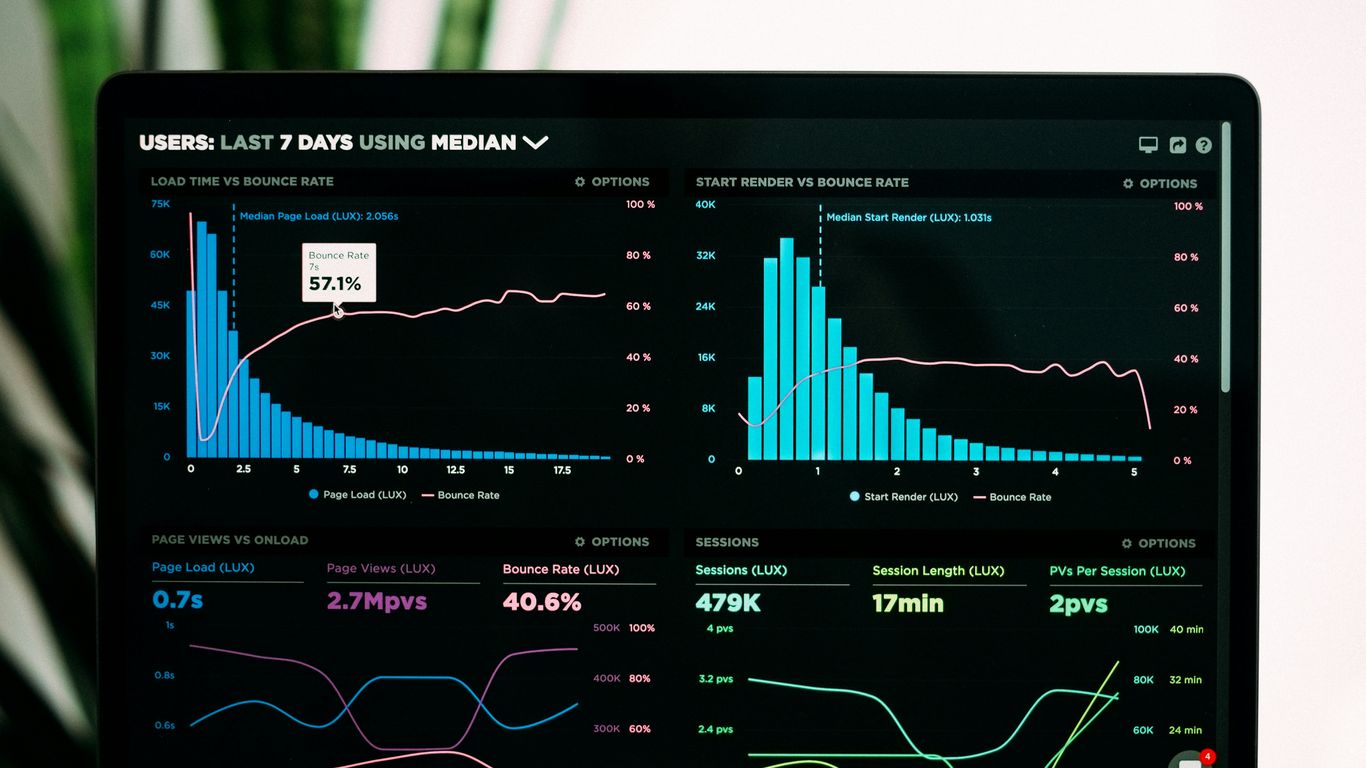
It’s a common story in security operations: the endless stream of alerts. You’ve got your endpoint telemetry systems humming along, collecting all sorts of data, which is great. But then, the alerts start piling up. Many of them turn out to be nothing, just normal activity that tripped a rule. This constant barrage can lead to alert fatigue, where the security team starts to tune out, potentially missing a real threat buried in the noise. We need ways to make these alerts more meaningful.
Contextual Correlation for Prioritization
One of the biggest wins for telemetry correlation is its ability to add context. Instead of just seeing a single event, like a file being accessed, correlation systems can link it to other related activities. Did that file access happen right after a suspicious login from an unusual location? Was it followed by a network connection to a known bad IP address? By connecting these dots, the system can build a clearer picture of whether an event is truly malicious or just a false alarm. This helps prioritize what needs immediate attention.
Here’s a simplified look at how context can change an alert’s priority:
| Event Sequence | Initial Alert Severity | Correlated Alert Severity | Action Required |
|---|---|---|---|
| File Access (User A) | Low | Low | Monitor |
| Login from unusual IP (User A) | Medium | Low | Monitor |
| File Access (User A) -> Login from unusual IP (User A) | Medium | Medium | Investigate |
| File Access (User A) -> Login from unusual IP (User A) -> Network connection to bad IP | Medium | High | Respond |
Noise Reduction Strategies
Beyond just prioritizing, correlation helps actively reduce the noise. Many alerts are generated because a single, isolated event doesn’t meet a specific threshold. However, when you correlate multiple low-severity events that, together, form a pattern of suspicious behavior, you can create more robust detection rules. This means fewer, but more accurate, alerts. Think of it like a smoke detector – a single puff of steam might not trigger it, but a continuous plume of smoke will. This approach helps avoid the constant pings from benign activities.
- Baseline Normal Activity: Understanding what ‘normal’ looks like for your environment is key. Correlation helps establish these baselines by observing regular patterns.
- Threshold Tuning: Instead of relying on single-event thresholds, correlation allows for multi-event or multi-source thresholds, which are inherently less prone to false positives.
- Event Suppression: If a known, benign process consistently triggers a low-level alert, correlation can be used to suppress alerts related to that specific process when it occurs under normal conditions.
The goal isn’t to eliminate all alerts, but to transform the alert stream from a chaotic flood into a manageable, prioritized list of actionable intelligence. This shift is vital for keeping security teams effective and preventing burnout.
Alert Tuning Best Practices
Fine-tuning your correlation rules is an ongoing process. What works today might need adjustment tomorrow as your environment and the threat landscape change. Regularly reviewing alert data, identifying patterns in false positives, and updating correlation logic are essential. This iterative process ensures that your system becomes more accurate over time. It’s also important to involve the security analysts who are on the front lines; they often have the best insights into what constitutes a real threat versus noise. Effective tuning means your system gets smarter, helping to reduce the overall impact of security incidents by focusing attention where it’s needed most.
Leveraging Threat Intelligence in Correlation Systems
Integrating Real-Time Threat Feeds
So, you’ve got all this data coming in from your endpoints – logs, process activity, network connections, you name it. That’s great, but on its own, it’s just a pile of information. To really make sense of it and spot actual threats, you need context. That’s where threat intelligence comes in. Think of it like having a detective’s notebook filled with information about known bad guys, their usual tricks, and the tools they use. By feeding this intelligence into your correlation system, you can start matching suspicious activity on your network to known malicious campaigns. This means you’re not just looking for generic anomalies; you’re looking for specific indicators that point to real danger. It’s about moving from a reactive stance to a more proactive one, identifying potential threats before they cause real damage.
Contextualizing Indicators of Compromise
An indicator of compromise (IoC) is like a digital fingerprint left behind by an attacker. It could be a specific IP address, a file hash, or a domain name. But an IoC by itself isn’t always enough. Is that IP address part of a known botnet, or is it just a misconfigured server? Is that file hash associated with a widespread ransomware strain, or is it a benign piece of software with a similar name? Threat intelligence helps answer these questions. It provides the background information needed to understand why an IoC is significant. For example, knowing that a particular IP address is linked to a specific threat actor group that targets your industry adds a lot more weight to an alert than just seeing an unknown IP. This contextualization is key to prioritizing alerts and focusing your security team’s efforts where they matter most. It helps distinguish between noise and actual threats, which is a big deal when you’re trying to avoid alert fatigue.
Enhancing Detection with Intelligence
When your correlation system has access to up-to-date threat intelligence, its detection capabilities get a serious boost. Instead of relying solely on predefined rules or generic anomaly detection, it can actively look for patterns associated with known threats. This is particularly useful for spotting advanced persistent threats (APTs) or zero-day exploits that might not trigger standard alerts. For instance, if your threat intelligence feed indicates a new campaign is using a specific command-and-control server, your system can immediately flag any endpoint attempting to communicate with that server. This proactive approach can significantly shorten the time it takes to detect and respond to an incident. It’s about making your security system smarter and more aware of the current threat landscape, allowing it to identify threats that might otherwise go unnoticed. Integrating this kind of intelligence is a smart move for any organization serious about its cybersecurity posture. It helps bridge the gap between what your systems can see and what they should be looking for.
| Threat Intelligence Source | Data Type Provided | Impact on Correlation | Example Use Case |
|---|---|---|---|
| Open Source Feeds | IPs, Domains, Hashes | Identifies known bad actors/infrastructure | Flagging connections to known malicious domains |
| Commercial Feeds | TTPs, Actor Profiles | Provides context on attacker behavior | Prioritizing alerts based on attacker sophistication |
| Internal IoCs | Custom Indicators | Detects organization-specific threats | Identifying internal malware variants or compromised accounts |
Compliance, Reporting, and Regulatory Alignment
Staying up to date with compliance is never simple, but it’s not something organizations can afford to ignore. Endpoint telemetry correlation systems play a big part in keeping companies accountable for how they handle sensitive data, record incidents, and prepare for audits. Here’s how these systems help meet legal and regulatory demands.
Log Retention and Access Controls
Secure log retention is a baseline requirement for nearly every data protection regulation out there. With so many devices and platforms creating event logs, it’s easy for details to slip through the cracks. Telemetry correlation systems bring them all together:
- Store logs centrally with tamper protection
- Set automated retention periods per regulation (GDPR, CCPA, PCI DSS, etc.)
- Control who can access logs and what they can view
| Regulation | Example Retention Period | Access Restrictions |
|---|---|---|
| PCI DSS | 1 year | Need-to-know basis |
| HIPAA | 6 years | Audit trail enforced |
| GDPR | ‘As needed’ (minimize) | Data subject controls |
Access auditing is equally important; it means tracking who has viewed or changed sensitive data logs. Without a record, defending your practices (especially in court) gets tricky.
Supporting Audit and Compliance Requirements
Compliance audits aren’t just paperwork. Auditors need to see:
- Detailed records of system activity—who did what, when, and how.
- Clear mapping between security controls and regulatory frameworks.
- Evidence that alerts and incidents have been handled according to policy.
SIEM platforms and endpoint correlation tools can automate much of this, producing consistent reports that help you get through audits faster.
When systems are set up well:
- Compliance reports are generated on demand
- All critical security events are documented
- Gaps and exceptions are highlighted automatically
Not every organization gets this right on the first try. Sometimes it takes trial and error—but the payoff is fewer failed audits and more confidence in your data handling processes.
Enabling Regulatory Reporting
Reporting to regulators is a high-stakes, time-sensitive job. Some laws give you as little as 24–72 hours to notify them of a serious breach. Endpoint telemetry correlation systems make it possible to:
- Quickly see the scope of what happened
- Gather evidence on affected systems and data types
- Prepare official reports that meet formal requirements
If your process is slow or incomplete, you run the risk of fines or legal action. It’s wise to align reporting workflows with your endpoint monitoring and regulatory reporting obligations. This means planning out notification timelines, creating templates for common scenarios, and double-checking every detail before submitting anything to authorities.
Getting compliance right gives you more than a clean bill of health—it builds trust with customers, partners, and regulators, proving you can run a secure and responsible business.
Key takeaways:
- Consistent log retention and access controls help maintain compliance.
- Automated reporting streamlines audits and reduces human error.
- Fast, organized breach notification protects against fines and reputational damage.
Compliance isn’t a one-time fix. As laws change, systems must keep pace, and that’s where ongoing monitoring and continuous governance practices come into play.
Challenges in Endpoint Telemetry Correlation Systems
While endpoint telemetry correlation systems offer significant advantages for cybersecurity, they also come with their own set of hurdles. These aren’t minor inconveniences; they can genuinely impact the effectiveness and efficiency of your security operations if not addressed properly.
Data Volume and Scalability
One of the biggest headaches is the sheer amount of data. Every endpoint, from a laptop to a server, generates a constant stream of logs and events. Think about processes starting, files being accessed, network connections being made – it all adds up, fast. Storing, processing, and analyzing this massive volume of data requires robust infrastructure. If your system can’t keep up, you’ll miss critical events or experience significant delays in detection.
- Massive data generation: Millions of events per endpoint per day are common.
- Storage requirements: Petabytes of data can accumulate quickly.
- Processing power: Real-time analysis demands significant computational resources.
This isn’t just about having enough disk space; it’s about having the processing power and network bandwidth to handle it all without breaking a sweat. Scaling up can be expensive and complex, especially when dealing with unpredictable data spikes during active incidents.
Interoperability Issues
Endpoints aren’t all the same, are they? You’ve got Windows machines, Macs, Linux servers, mobile devices, and maybe even some IoT gadgets. Each of these platforms generates telemetry in its own unique format. Getting all this diverse data to play nicely together in a single correlation system is a major challenge. Normalizing data from different sources so that it can be meaningfully compared and analyzed is a complex task. Without proper normalization, you’re essentially trying to compare apples and oranges, leading to inaccurate correlations and missed threats. This often means a lot of custom scripting and manual effort to bridge the gaps between different vendor tools and operating systems.
Privacy and Data Protection Concerns
Endpoint telemetry, by its very nature, can capture sensitive information. Think about user activity, file contents, or even keystrokes. Collecting and correlating this data raises significant privacy questions. Organizations need to be extremely careful about what data they collect, how they store it, and who has access to it. Compliance with regulations like GDPR or CCPA is paramount. Balancing the need for detailed security monitoring with individual privacy rights is a delicate act. It requires clear policies, strong access controls, and often, data anonymization or pseudonymization techniques, which can sometimes reduce the telemetry’s usefulness for certain types of investigations.
The constant push for more data for better detection must be balanced against the ethical and legal obligations to protect user privacy. Over-collection or mishandling of sensitive endpoint data can lead to severe legal penalties and a significant loss of trust.
Future Trends in Endpoint Telemetry Correlation Systems
Looking ahead, endpoint telemetry correlation systems are set to become even more sophisticated, driven by the need to keep pace with evolving threats and the expanding digital landscape. We’re seeing a few key areas where things are really heating up.
AI-Driven Detection and Response
Artificial intelligence and machine learning are moving beyond just pattern analysis. The next wave involves AI that can not only detect novel threats with greater accuracy but also automate response actions. Think systems that can predict potential attacks based on subtle behavioral shifts and then proactively isolate affected endpoints or block malicious traffic before a human even sees an alert. This shift aims to significantly reduce the time attackers have to operate within a network.
- Predictive Threat Identification: AI models will analyze vast datasets to identify precursors to attacks, not just the attacks themselves.
- Automated Containment: AI will orchestrate responses, such as quarantining devices or revoking access, in real-time.
- Adaptive Learning: Systems will continuously learn from new data, improving their detection and response capabilities over time.
Zero Trust Architecture Integration
The principles of a Zero Trust Architecture are fundamentally changing how we think about security, and endpoint telemetry plays a massive role. Instead of trusting devices within a network perimeter, Zero Trust assumes no implicit trust. Endpoint telemetry becomes the eyes and ears, constantly verifying the health, posture, and context of every device attempting to access resources. This means telemetry data isn’t just for detecting threats; it’s actively used to make dynamic access control decisions.
The integration of endpoint telemetry into Zero Trust frameworks means that every access request is evaluated based on the real-time risk profile of the device and user, not just static policies. This continuous verification is key to preventing unauthorized access, even from compromised internal devices.
Evolving Threat Landscapes
As technology advances, so do the methods attackers use. We’re seeing an increase in sophisticated attacks targeting the supply chain and leveraging AI for more convincing social engineering. Furthermore, the proliferation of IoT devices and the complexities of cloud environments create new attack surfaces. Endpoint telemetry correlation systems will need to adapt to ingest and analyze data from these diverse sources, including operational technology (OT) and the growing number of Internet of Things (IoT) devices, to provide a unified view of the threat landscape.
- IoT and OT Security: Increased focus on monitoring and segmenting these often-vulnerable device types.
- Cloud-Native Telemetry: Better integration and analysis of telemetry from cloud workloads and services.
- Supply Chain Monitoring: Correlating endpoint activity with indicators of compromise originating from software dependencies or third-party vendors.
Wrapping Up: The Ongoing Journey of Endpoint Telemetry Correlation
So, we’ve talked a lot about how endpoint telemetry correlation systems work and why they’re a big deal for keeping things secure. It’s not just about collecting data; it’s about making sense of it all, connecting the dots between what’s happening on your devices and what might be a real threat. Think of it like putting together a puzzle where the pieces are scattered across your entire network. Getting this right means you can spot trouble earlier, figure out what’s going on faster, and actually do something about it before it gets out of hand. It’s definitely an area that keeps evolving, with new tools and methods popping up all the time, but the core idea – using that data to see what’s really happening – stays the same. It’s a pretty important part of staying safe in today’s digital world.
Frequently Asked Questions
What exactly is endpoint telemetry correlation?
Think of it like putting together puzzle pieces. Endpoint telemetry is the information gathered from devices like computers and phones. Correlation means connecting these pieces of information from different places to see the whole picture. So, endpoint telemetry correlation is about linking up all the data from your devices to spot suspicious activity or security problems more easily.
Where does all this data come from?
This data, or telemetry, comes from many places on your device. It includes things like which programs are running, when files are opened or changed, what commands are being used, and even how the device is behaving. It’s like a detailed logbook for everything happening on your computer.
Why is connecting this data important for security?
Connecting the data helps security systems see patterns that might be missed otherwise. A single event might seem harmless, but when you link it with other small events from different parts of the system, it can reveal a bigger security threat that’s trying to sneak in. It’s like spotting a suspicious person by noticing they’re looking around nervously, trying a few doors, and then talking to someone they shouldn’t be.
How does this system help find threats faster?
By automatically connecting the dots, these systems can flag potential dangers much quicker than if a person had to look through all the raw data. This means security teams can find out about a problem early, maybe even before it causes real damage, and stop it.
Can this system help when a security problem has already happened?
Absolutely! When something bad happens, the collected and correlated data is super helpful. It’s like having a detailed timeline of events that shows exactly what happened, when, and how. This makes it much easier for investigators to figure out what went wrong and how to fix it, and also how to prevent it from happening again.
Does this system help with things like cloud services and user accounts too?
Yes, the best systems don’t just look at computers. They can also connect information from cloud services, network activity, and how users are logging in and using their accounts. This gives a much wider view of security, helping to spot problems that might cross between different areas.
What happens if the system flags too many things that aren’t actually problems?
That’s a common issue called ‘alert fatigue.’ Good systems are designed to be smart about it. By connecting more pieces of information, they can get a clearer picture and are less likely to raise a false alarm. They also learn over time to focus on the most important alerts, so security teams aren’t overwhelmed.
What’s the future looking like for these systems?
The future is exciting! These systems are getting smarter with artificial intelligence (AI) to find threats automatically. They’re also becoming better at working with new security ideas like ‘Zero Trust,’ which means always checking who you are and what you’re allowed to do, no matter where you are. As bad actors find new ways to attack, these systems will keep evolving to keep up.