
We’ve all used our fingerprints or faces to unlock our phones, right? That’s biometric security in action. It’s basically using unique parts of you, like your eyes or voice, to prove it’s really you when you’re trying to get into something online or on your device. It’s become super common because it feels easier than remembering a bunch of passwords. But like anything, it’s got its good points and its not-so-good points, and it’s used in a lot more places than just your phone.
Key Takeaways
- Biometric security uses your unique physical or behavioral traits, like fingerprints or voice, to verify your identity.
- It offers strong security and can be more convenient than traditional passwords.
- However, there are privacy concerns and the possibility of errors like false positives or negatives.
- Common uses include unlocking personal devices, securing financial transactions, and managing healthcare records.
- The technology is always improving, with a focus on better accuracy and integration with other security methods.
Understanding Biometric Security
What is Biometric Authentication?
So, what exactly are biometrics? Think of them as unique, measurable human characteristics. These can be physical things, like your fingerprint or the pattern of your iris, or behavioral things, like the way you type or even how you walk. Biometric authentication uses these traits to confirm who you are. Instead of remembering a password, you’re essentially proving your identity with your own body or actions.
This is a big shift from the old days of just passwords. Passwords have been around forever, but let’s be honest, they’re not exactly foolproof. We all know people who reuse the same password everywhere, or use something super simple like ‘12345’. That makes it way too easy for bad actors to get into accounts if they get their hands on stolen password lists. Biometrics, on the other hand, are much harder to copy or steal. It’s like your body becomes your key.
Physiological vs. Behavioral Biometrics
Biometrics generally fall into two main categories:
- Physiological Biometrics: These are based on your physical body. Think fingerprints, facial features, iris patterns, or even your DNA. These traits are generally stable over time and unique to each individual.
- Behavioral Biometrics: These focus on how you do things. This could be your typing rhythm, how you hold your phone, your voice patterns, or even the way you walk (your gait). These can change a bit over time but are still distinctive.
The Role of Biometrics in Modern Security
Biometrics are becoming a really common part of how we secure everything these days. You see it on your phone to unlock it, or when you’re trying to log into your bank account. It’s often used as part of a multi-factor authentication setup, which means you need more than one way to prove who you are. This makes things much more secure than just a password alone. It’s a way to add a strong layer of security without making things a hassle for the user. It’s all about making security work better for everyone.
The core idea is to move away from something you know (like a password) to something you are (your unique biological traits) or something you do (your unique behavioral patterns). This makes it significantly harder for unauthorized individuals to gain access.
Advantages of Biometric Security
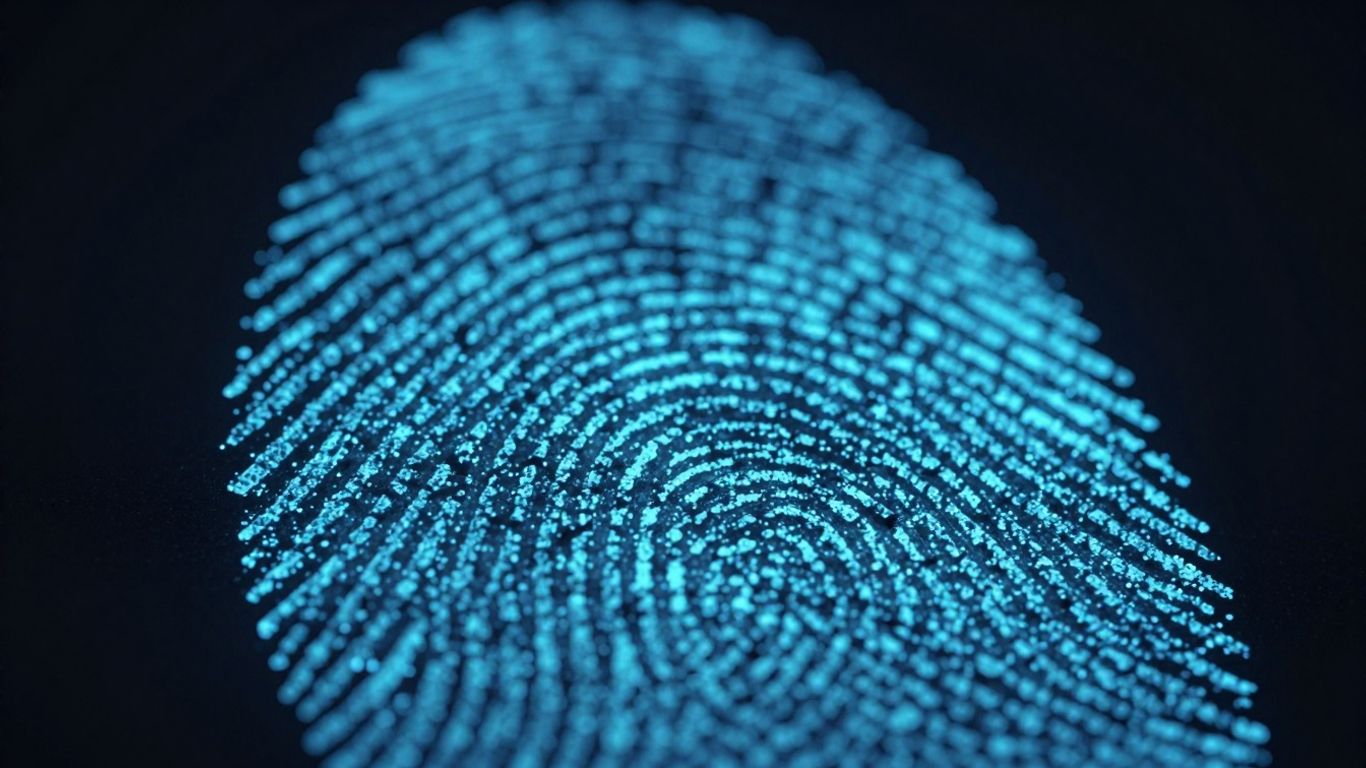
Biometric security is really changing how we protect our stuff, both online and off. It’s not just about fancy tech; it’s about making things more secure and, honestly, a lot easier for us regular folks.
Enhanced Security and Assurance
This is the big one, right? Biometrics are tied to you. Think about it: your fingerprint, your face, the unique way you talk. These aren’t things you can easily forget, lose, or have stolen like a password or a PIN. Passwords get phished, PINs get guessed, but your actual physical traits? Much harder to fake. This makes it way tougher for unauthorized people to get into your accounts or devices. It adds a solid layer of confidence that the person trying to access something is actually who they say they are.
- Harder to steal: Unlike passwords that can be compromised in data breaches, your biometric data is tied to your body.
- Difficult to replicate: Creating a perfect copy of someone’s fingerprint or voiceprint is incredibly challenging.
- Non-transferable: You can’t easily share your fingerprint or face with someone else to let them log in for you.
The core idea is that your unique biological markers are inherently more secure than something you write down or memorize. This makes it a strong defense against common forms of identity theft and unauthorized access.
Improved User Experience and Convenience
Let’s be real, remembering a dozen complex passwords for all your accounts is a pain. And don’t even get me started on those security questions that you answered years ago and now have no clue about. Biometrics cut through all that hassle. Need to unlock your phone? Just a quick glance or a touch. Paying for something? A quick scan. It’s fast, it’s simple, and you don’t need a photographic memory to use it. This makes security feel less like a chore and more like a natural part of using your devices and services.
Reduced Risk of Identity Theft
Because biometric traits are so unique and difficult to replicate, they significantly lower the chances of someone stealing your identity. When a system relies on your specific biological markers, it’s much harder for fraudsters to impersonate you. This is especially important for sensitive areas like banking and healthcare, where identity theft can have severe consequences. It gives you peace of mind knowing that your personal information is better protected from those who might want to misuse it.
Disadvantages of Biometric Security
While biometric security sounds pretty slick, it’s not all sunshine and rainbows. Like any tech, it’s got its downsides, and it’s important to know what you’re getting into before you jump on the bandwagon.
Privacy Concerns and Data Breaches
This is a big one. When you use biometrics, you’re handing over super personal stuff – your fingerprints, your face, your iris patterns. This information is stored somewhere, and that’s where things get dicey. If that data gets into the wrong hands, it’s not like you can just change your fingerprint, right? It’s permanently compromised. Think about the implications if a company that stores your facial scan gets hacked. It’s a serious privacy headache. We’ve seen plenty of data breaches over the years, and the thought of our unique biological markers being exposed is pretty unsettling. It’s a different ballgame than a stolen password.
The very nature of biometric data – being intrinsically tied to an individual – makes its compromise far more impactful than traditional credentials. Unlike a password that can be reset, a compromised biometric trait is compromised forever, creating a persistent vulnerability.
Potential for False Positives and Negatives
Biometric systems aren’t perfect. Sometimes they mess up. A false positive means the system thinks you’re someone else, which is annoying. A false negative means it doesn’t recognize you when it should, which can be a real pain, especially if you’re in a hurry. Things like a dirty fingerprint, poor lighting for facial recognition, or even a cold affecting your voice can throw the system off. It’s not always as simple as just scanning your finger.
Here’s a quick look at how these errors can happen:
- False Positives: The system incorrectly grants access to an unauthorized user. This can happen if the biometric data is too similar between two individuals or if the system is poorly calibrated.
- False Negatives: The system incorrectly denies access to an authorized user. This is often due to environmental factors (like dirt on a fingerprint scanner), changes in the user’s biometric trait (like a scar on a finger), or issues with the sensor itself.
- Spoofing Attempts: While difficult, determined attackers might try to trick the system using fake fingerprints, masks, or recorded voices. Advanced systems have countermeasures, but it’s an ongoing battle.
Implementation and Maintenance Costs
Let’s be real, setting up biometric security isn’t cheap. You need specialized hardware, like scanners and cameras, and sophisticated software to process all that data. Then there’s the ongoing cost of keeping everything updated and running smoothly. For smaller businesses, this can be a pretty significant barrier to entry. It’s not just a one-time purchase; it’s an investment that requires continuous attention and budget allocation. Many organizations find the initial cost of biometric systems to be a major hurdle, often requiring upgrades to existing IT infrastructure as well.
Common Biometric Technologies
So, we’ve talked about why biometrics are cool and what they can do. Now, let’s get into the nitty-gritty of how they actually work. It’s not just one magic trick; there are several different ways your unique traits can be used to prove it’s really you.
Fingerprint Recognition
This is probably the one most people think of first, right? Your phone probably uses it. It works by scanning the unique patterns of ridges and valleys on your fingertips. These patterns are incredibly distinct for each person. While generally reliable, things like dirt on your finger or the scanner can sometimes cause issues. Also, if you work with your hands a lot or have had injuries, your prints might be harder to read, making this method less useful for some folks.
Facial Recognition
More and more phones and even some security systems use facial recognition. It maps out the unique points on your face – like the distance between your eyes, the shape of your nose, and your jawline. It’s gotten a lot better over the years, especially with AI improvements, but it’s not perfect. Studies have shown it can sometimes struggle with accurately identifying people with darker skin tones, though companies are working on fixing that. It’s a pretty convenient way to get into your device, though.
Iris and Retina Scans
These are a bit more high-tech and less common for everyday devices, but they’re known for being super accurate. Iris scans look at the intricate patterns in the colored part of your eye (the iris), while retina scans check the unique blood vessel patterns at the back of your eye. Both are considered very precise methods for identification. The technology behind iris scans, for instance, is quite advanced, offering a high degree of accuracy in verification.
Voice Recognition
Your voice is also unique! Voice recognition systems analyze the pitch, tone, and cadence of your speech to identify you. Think of it like a unique vocal fingerprint. These systems can be quite accurate, often reaching high percentages in successful identifications. It’s a convenient option, especially for phone-based authentication, but background noise or a sore throat can sometimes throw it off.
It’s important to remember that no biometric system is 100% foolproof. While they offer a significant step up from traditional passwords, they all have potential weaknesses that developers are constantly trying to address. The goal is to make them as secure and user-friendly as possible, balancing convenience with robust identity verification.
Here’s a quick look at some other types you might hear about:
- Behavioral Biometrics: This isn’t about your body parts, but how you act. It looks at things like how you type, how you move your mouse, or even how you walk (gait analysis). It’s a more subtle way to identify someone based on their habits.
- Vein Recognition: This technology scans the unique patterns of veins beneath your skin, often in your palm or finger. It’s considered very accurate because veins are internal and hard to fake, though researchers have found ways to trick simpler versions.
- Hand Geometry: An older method, this measures the shape and dimensions of your hand. It’s been around for a while but isn’t as unique as fingerprints or iris scans.
Biometric Security Use Cases
Personal Device Security
Think about your phone or laptop. Chances are, you’re already using biometrics without even giving it much thought. Fingerprint scanners and facial recognition have become standard on most personal devices. It’s way quicker than typing in a password every single time, right? This makes it super convenient for everyday tasks like unlocking your screen or authorizing app purchases. It’s all about making our digital lives a bit easier while keeping our personal stuff private.
Financial Transactions and Banking
When it comes to money, security is a big deal. Banks and financial apps are increasingly using biometrics to protect your accounts. Instead of just a password, you might use your fingerprint or face to log in, approve a large transfer, or even just check your balance. This adds an extra layer of protection against unauthorized access, which is pretty important when your hard-earned cash is on the line.
Here’s a quick look at how biometrics are used in banking:
- Account Login: Using fingerprint or facial scan to access your banking app.
- Transaction Approval: Biometric verification for high-value payments or transfers.
- Identity Verification: Confirming your identity for new account openings or sensitive operations.
The convenience of biometrics in banking is undeniable, but it also means that if your biometric data were ever compromised, it’s a permanent issue. That’s why financial institutions are investing heavily in systems that protect this data and can detect if someone is trying to trick the system.
Healthcare and Patient Records
In hospitals and clinics, keeping patient information safe is absolutely critical. Biometrics can help make sure that only authorized doctors, nurses, and staff can access sensitive medical records. This prevents mix-ups and protects patient privacy. Imagine a doctor quickly accessing your allergy information with a fingerprint scan – it’s faster and more secure than fumbling with patient IDs.
Travel and Airport Security
Airports are a prime example of where biometrics are changing how we travel. Many airports now use facial recognition to speed up check-in, security lines, and boarding. You might have your photo taken once, and then your face becomes your boarding pass. It can make the whole airport experience less of a hassle, letting you get to your gate faster. Some stadiums and event venues are even starting to use similar technology for ticketless entry.
The Future of Biometric Security
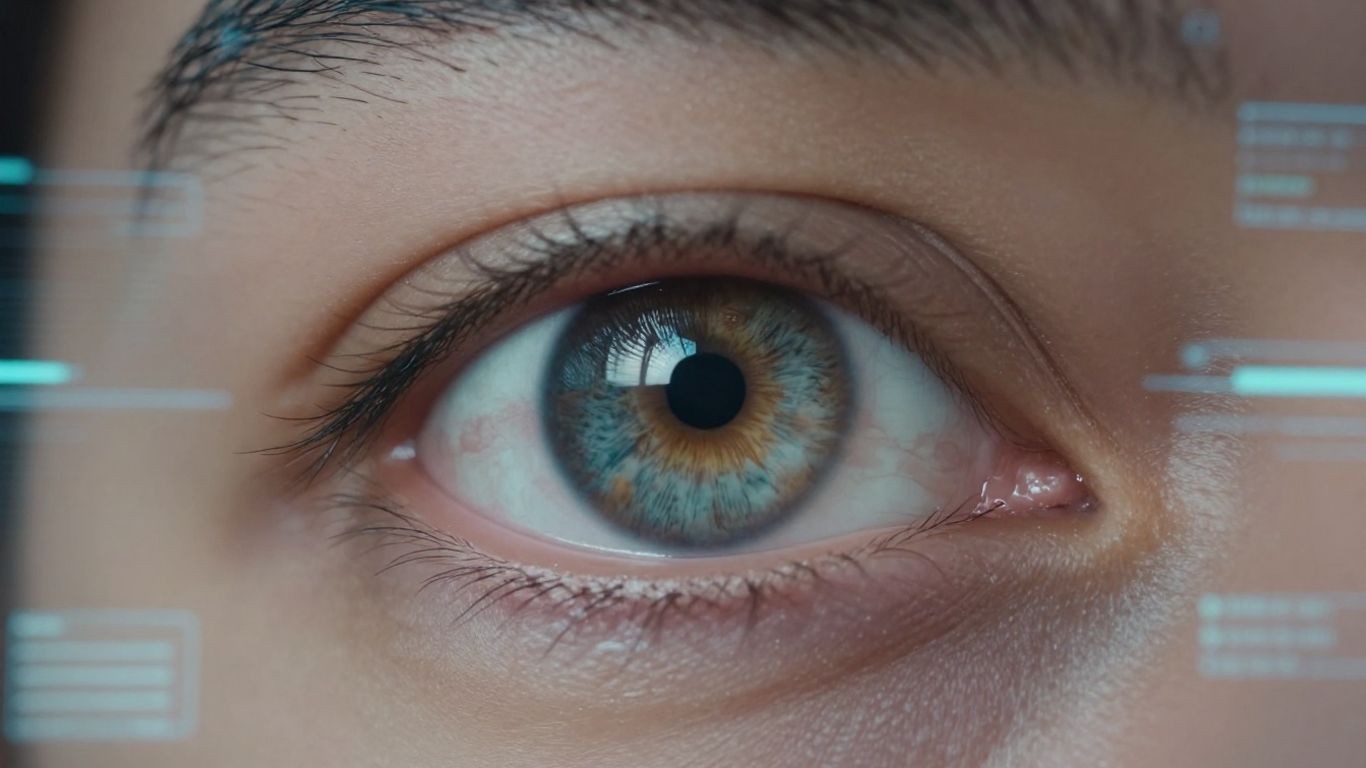
So, where are we headed with all this biometric stuff? It’s not just about unlocking your phone anymore, that’s for sure. Things are getting way more sophisticated, and honestly, it’s pretty exciting.
Advancements in Accuracy and Spoofing Prevention
Right now, the big push is making biometrics even harder to trick. You know how people can sometimes use photos or videos to fool facial recognition? Well, developers are working on ways to spot that stuff. They call it ‘liveness detection’ – basically, making sure it’s really you, right there, breathing and blinking, not just a clever copy. Think about it: if someone can’t just hold up a picture to get past security, that’s a huge win for keeping things safe.
- Real-time analysis: Systems are getting better at analyzing subtle movements and expressions that a static image or video can’t replicate.
- Multi-sensor fusion: Combining data from different sensors (like a camera and a microphone) makes it much harder to fool the system with a single type of fake.
- AI-powered detection: Artificial intelligence is being trained to recognize the tell-tale signs of spoofing attempts, learning new tricks as they emerge.
The constant arms race between those trying to break security and those building it means that biometric systems will need continuous updates. It’s not a ‘set it and forget it’ kind of deal.
Integration with Multi-Factor Authentication
Biometrics are great, but relying on just one thing can still be risky. That’s why you’re going to see biometrics used more and more as part of a bigger security picture. This is called multi-factor authentication (MFA). So, instead of just your fingerprint, you might need your fingerprint and a code from your phone, or maybe your face and a specific device you carry.
Here’s how it often works:
- First Factor: Something you know (like a password or PIN).
- Second Factor: Something you have (like your phone or a security key).
- Third Factor: Something you are (your fingerprint, face, or voice).
Using biometrics as one of these factors makes it much tougher for someone to get into your accounts, even if they manage to steal one piece of your information.
Emerging Biometric Modalities
We’ve talked about fingerprints and faces, but there’s a whole lot more being explored. Think about how you walk – that’s called ‘gait analysis’. Or the unique rhythm of your voice. Even the way you type on a keyboard can be a unique identifier. These are called behavioral biometrics, and they’re becoming more common because they can often be used without you even realizing it, just by observing how you interact with your devices.
- Gait Recognition: Analyzing how a person walks.
- Keystroke Dynamics: Measuring the rhythm and pressure of typing.
- Heartbeat Patterns: Using unique cardiac rhythms for identification.
These new methods could offer even more convenient and secure ways to verify identity in the years to come.
Wrapping It Up
So, we’ve looked at how biometrics work, the good stuff like making things easier and more secure, and the not-so-good stuff like privacy worries and how much it can cost to set up. It’s clear that using things like fingerprints or your face to get into your accounts is becoming super common, from unlocking your phone to getting through airport security. While it’s definitely a step up from remembering a bunch of passwords, it’s not perfect. We need to be smart about how our personal biometric data is stored and protected. As this tech keeps getting better, it’s going to be interesting to see how it changes our daily lives even more, but we’ve got to keep an eye on those potential downsides too.
Frequently Asked Questions
What exactly is biometric security?
Biometric security is like using a secret code that’s part of you! Instead of a password or a key, it uses unique things about your body, like your fingerprint, the way your face looks, or even your voice, to prove it’s really you trying to get into something, like your phone or a computer.
Is biometric security really more secure than passwords?
Usually, yes! Think about it: it’s much harder for someone to steal your fingerprint or copy your face than it is for them to guess or steal your password. Because these traits are part of you, they’re tougher to fake.
What are the downsides of using biometrics?
One big worry is privacy. If your unique body information gets stolen, it’s permanent, unlike a password you can change. Also, sometimes the scanners can make mistakes, either not letting you in when you should be (a false negative) or letting someone else in by accident (a false positive). Setting them up can also cost money.
Can my fingerprint or face be used by someone else if it’s stolen?
That’s a big concern. While the information is usually stored in a way that’s hard to use for other things, if a hacker gets it, it can’t be changed like a password. Companies work hard to protect this data, but it’s still a risk to think about.
Where do people use biometric security most often?
You see it a lot on your phone to unlock it with your face or finger! It’s also used in banks for secure payments, at airports to speed up check-ins, and even in hospitals to make sure patient records are accessed by the right people.
Will biometric security replace passwords completely?
Probably not entirely, at least not soon. It’s often used together with passwords or other methods, making security even stronger, like a double-check. It’s a powerful tool, but sometimes having a few different ways to prove who you are is best.