
In today’s digital world, keeping our systems and data safe is a big deal. We hear a lot about firewalls and antivirus, but what happens when those aren’t enough? That’s where behavior analytics security comes in. It’s like having a detective for your network, watching for unusual activity that might signal trouble, even if it doesn’t look like a known attack. This approach helps us spot threats that traditional methods might miss, giving us a better chance to stop problems before they get out of hand.
Key Takeaways
- Behavior analytics security focuses on spotting unusual patterns in user and system actions, rather than just looking for known bad signatures.
- Establishing a baseline of normal activity is key to identifying deviations that could indicate a security threat.
- UEBA, network analysis, and endpoint monitoring are specific areas where behavior analytics can detect threats like compromised accounts or lateral movement.
- Integrating behavior analytics into tools like SIEM can improve threat detection and help security teams prioritize alerts.
- Managing false positives and keeping models updated are important challenges when implementing behavior analytics for security.
Understanding Behavior Analytics in Security
In the world of cybersecurity, we’ve long relied on knowing exactly what a threat looks like. Think of it like having a list of known bad guys and their fingerprints. If a fingerprint matches, we know it’s trouble. This is the essence of signature-based detection – it’s effective against threats we’ve seen before.
But what about the threats we haven’t encountered yet? Attackers are constantly changing their tactics, making old methods less reliable. This is where behavior analytics steps in. Instead of just looking for known signatures, it focuses on how things are acting. It’s about spotting unusual activity that might signal a new or hidden threat, even if we don’t have a specific signature for it yet.
Core Concepts of Behavior Analytics
At its heart, behavior analytics is about establishing what’s normal and then flagging anything that deviates from that norm. It’s like noticing when your usually quiet neighbor suddenly starts having loud parties every night. You don’t know why they’re having parties, but you know it’s out of the ordinary and worth paying attention to.
- Establishing Normal Activity Baselines: The first step is figuring out what ‘normal’ looks like for users, devices, and the network. This involves collecting data on typical actions, communication patterns, and resource access over time. For example, knowing that a specific employee usually logs in from their office computer between 8 AM and 5 PM, and rarely accesses sensitive financial data outside of those hours.
- Identifying Deviations and Anomalies: Once we have a baseline, we look for anything that doesn’t fit. This could be a user logging in at 3 AM from a foreign country, a server suddenly sending out a massive amount of data, or a process trying to access memory it shouldn’t. These are anomalies, potential red flags.
- Leveraging Machine Learning for Pattern Recognition: To handle the sheer volume of data and the complexity of modern threats, we use machine learning. These algorithms can sift through vast amounts of information, identify subtle patterns, and learn what constitutes normal behavior, becoming better at spotting deviations over time. They help us find those needle-in-a-haystack threats that human analysts might miss.
The Role of Behavior Analytics in Threat Detection
Behavior analytics plays a critical role in finding threats that traditional methods might miss. It’s particularly good at spotting:
- Zero-Day Exploits: Attacks that use previously unknown vulnerabilities. Since there’s no signature, signature-based tools won’t catch them. Behavior analytics, however, can detect the unusual actions the exploit causes.
- Insider Threats: Malicious or accidental actions by people within the organization. Their behavior might be unusual for them, even if it doesn’t match a known external threat signature.
- Advanced Persistent Threats (APTs): Sophisticated, long-term attacks that often try to blend in. Behavior analytics can detect the slow, subtle movements and unusual patterns that indicate a persistent adversary.
Key Differentiators from Signature-Based Methods
Here’s a quick look at how behavior analytics differs from the older, signature-based approach:
| Feature | Signature-Based Detection | Behavior Analytics |
|---|---|---|
| Focus | Known threats (based on signatures) | Anomalous activity (deviations from normal) |
| Detection Type | Reactive (identifies known bad) | Proactive (identifies suspicious behavior) |
| Effectiveness | High against known threats, low against new threats | High against novel and evolving threats, can have false positives |
| Data Analyzed | File hashes, network patterns, code snippets | User actions, process activity, network flows, system calls |
| Adaptability | Requires constant signature updates | Learns and adapts to changing environments and threats |
While signature-based detection is still a necessary part of a security strategy, it’s no longer enough on its own. Behavior analytics provides a vital layer of defense, helping us see the forest for the trees and catch threats that are trying to hide in plain sight by acting just a little bit differently.
Foundations of Behavioral Monitoring
To really get a handle on security, you first need to know what’s normal. Think of it like knowing your own house – you know when a door is usually locked, or when a light is typically off. In the digital world, this means setting up a baseline of what regular activity looks like across your systems, networks, and user accounts. Without this baseline, spotting something out of the ordinary becomes a lot harder, like trying to find a single misplaced item in a messy room.
Establishing Normal Activity Baselines
This is where we start building our understanding of typical operations. It’s not just about what happens, but how and when it happens. We collect data from various sources – logs from servers, network traffic patterns, user login times, application usage, and even how often certain files are accessed. The goal is to create a detailed picture of everyday digital life within an organization. This involves looking at:
- User Activity: When do users typically log in? What applications do they usually access? What times of day are they most active?
- System Processes: What programs normally run on servers? How much CPU or memory do they usually consume? Are there specific times when certain processes kick in?
- Network Traffic: What kind of data flows through the network? Are there regular communication patterns between different systems? What protocols are commonly used?
- Application Behavior: How do applications normally respond to requests? Are there typical transaction volumes or error rates?
Building this baseline is the bedrock of effective behavior analytics. It’s a continuous process, as ‘normal’ can shift over time with new software, changing work habits, or business growth.
Identifying Deviations and Anomalies
Once we have a sense of what’s normal, we can start looking for things that don’t fit. These are the deviations, or anomalies. It’s like noticing a car parked in your driveway that you don’t recognize, or hearing a strange noise coming from your computer. These aren’t automatically bad, but they definitely warrant a closer look. An anomaly could be a user logging in from a country they’ve never accessed before, a server suddenly sending out a huge amount of data at 3 AM, or a process trying to access system files it normally wouldn’t touch.
The key here is context. A single unusual event might be a false alarm, but a series of related anomalies, or an anomaly that occurs at a particularly sensitive time or involves critical systems, raises the alert level significantly. It’s about spotting the unusual patterns that might indicate something is wrong, from a simple misconfiguration to a sophisticated cyberattack.
Leveraging Machine Learning for Pattern Recognition
Trying to manually track all these potential deviations would be impossible. That’s where machine learning (ML) comes in. ML algorithms are really good at sifting through massive amounts of data to find patterns that humans might miss. They can learn the ‘normal’ behavior and then flag anything that significantly deviates. This isn’t about writing specific rules for every possible threat, but rather about teaching the system to recognize what’s out of the ordinary based on historical data. These models can adapt as behavior changes, making them more effective over time than static, rule-based systems. They help us move from just reacting to known threats to proactively identifying suspicious activities that could be new or unknown attacks.
User and Entity Behavior Analytics (UEBA)
When we talk about security, we often focus on the technical defenses, like firewalls and antivirus. But what about the people and systems using those defenses? That’s where User and Entity Behavior Analytics, or UEBA, comes in. It’s all about watching what users and devices are doing and flagging anything that looks out of the ordinary. Think of it like a security guard who doesn’t just check IDs at the door but also notices if someone is acting strangely inside the building.
Detecting Compromised Accounts
One of the biggest wins for UEBA is spotting when an account has been taken over. Attackers often steal credentials and then try to use them to get into systems. UEBA can catch this by noticing things like logins from unusual locations, at odd hours, or when a user suddenly starts accessing files they’ve never touched before. It builds a picture of normal activity for each user and then alerts you when that picture changes dramatically. This kind of anomaly-based detection is really useful because it doesn’t rely on knowing exactly what the attacker is doing, just that the behavior is not normal for that user. It’s a key part of advanced log analysis [a749].
Identifying Insider Threats
It’s not just external attackers we worry about. Sometimes, the threat comes from within. This could be an employee who is unhappy and decides to steal data, or even someone who makes a mistake that accidentally exposes sensitive information. UEBA helps by monitoring user actions over time. If a user who normally just accesses a few files suddenly starts downloading large amounts of data, or tries to access restricted areas, UEBA can flag this as suspicious. It’s about looking for patterns that don’t fit the employee’s usual role or responsibilities.
Analyzing Privilege Misuse
Many systems have users with special privileges, like administrators. These accounts are powerful and, if misused, can cause a lot of damage. UEBA can keep an eye on these privileged accounts, watching for any unusual activity. This might include attempts to access systems or data that aren’t part of their normal job, or using their elevated rights in ways that seem unnecessary or risky. By tracking who is doing what with their special access, UEBA helps prevent both intentional misuse and accidental errors that could lead to a security incident.
Network Behavior Analysis for Security
When we talk about security, we often think about firewalls and antivirus software, right? But what about what’s happening inside the network? That’s where Network Behavior Analysis (NBA) comes in. It’s like having a security guard who doesn’t just check IDs at the door but also watches everyone’s movements inside the building. NBA looks at the normal flow of traffic and flags anything that seems out of place.
Monitoring Network Traffic Flows
This is the bread and butter of NBA. It involves watching all the data moving around your network. Think of it like monitoring all the conversations happening in a busy office. We’re not necessarily listening to every word, but we’re noting who’s talking to whom, how often, and what kind of information is being exchanged. This helps establish a baseline – what’s normal for your network. When something unusual pops up, like a server suddenly sending out a huge amount of data to an unknown external address, it gets flagged.
- Establish Baselines: Understand typical traffic patterns, protocols, and communication volumes.
- Analyze Flows: Track communication between devices, identifying sources, destinations, and data quantities.
- Protocol Inspection: Look at the specific rules and formats used for communication to spot anomalies.
Detecting Lateral Movement
Attackers often get into a network through one weak point, but they don’t stop there. They try to move around, from one system to another, to find valuable data or gain more control. This is called lateral movement. NBA is really good at spotting this. If a server that normally only talks to a few other internal machines suddenly starts trying to connect to dozens of others, especially at odd hours, that’s a big red flag for lateral movement. It’s like seeing someone who’s supposed to be in accounting suddenly trying to access the server room.
Lateral movement is a key indicator that an attacker has already breached initial defenses and is actively trying to expand their access within the network. Detecting it quickly is vital to preventing a small incident from becoming a major breach.
Identifying Command-and-Control Communications
Once attackers have a foothold, they often need to communicate with their own servers – a "command-and-control" (C2) server – to get instructions, send stolen data, or download more malicious tools. This communication often uses specific patterns or protocols that stand out from normal traffic. NBA can identify these C2 channels, even if they’re trying to hide. It might look for unusual DNS requests, encrypted traffic going to suspicious domains, or connections to known bad IP addresses. Spotting these C2 communications is critical for disrupting an ongoing attack.
Here’s a quick look at what NBA helps uncover:
- Suspicious Connections: Outbound traffic to known malicious IPs or unusual ports.
- Data Exfiltration: Large amounts of data leaving the network unexpectedly.
- Anomalous Protocol Usage: Use of non-standard protocols or unexpected protocol behavior.
Endpoint Behavior Analytics

When we talk about security, endpoints are often the first place attackers try to get in. Think laptops, desktops, servers – basically, anything that connects to your network and has a user interacting with it. Endpoint behavior analytics focuses on watching what these devices are actually doing, not just if they have a known bad file on them. It’s about spotting unusual activity that might signal something is wrong, even if it’s a brand new threat that security software hasn’t seen before.
Analyzing File and Process Activity
This is a big part of endpoint analytics. We’re looking at what programs are running, how they’re interacting with files, and if they’re doing anything out of the ordinary. For example, a word processor suddenly trying to access system configuration files or a web browser spawning command-line processes would raise a flag. It’s like watching a person’s routine; if they suddenly start doing something completely out of character, you’d probably take notice. This kind of monitoring helps catch things like malware trying to hide itself or spread.
Monitoring Memory Behavior
Memory is where programs run, and attackers often try to hide their malicious code here to avoid detection by traditional file-scanning methods. Endpoint analytics can monitor memory for suspicious patterns, like code injection or unusual memory allocation. This is a more advanced technique, but it’s really effective against fileless malware and other sophisticated attacks that try to stay hidden in plain sight. It’s a bit like looking for someone trying to sneak into a building by hiding in a delivery truck – you have to look beyond the obvious entry points.
Detecting Malicious Execution Patterns
This involves looking for sequences of actions that are typical of malicious activity. For instance, an attacker might first gain access through a phishing email, then download a tool, execute it, and try to escalate privileges. By analyzing these patterns across different events on an endpoint, security teams can identify an attack in progress even if individual actions seem harmless on their own. It’s about seeing the forest for the trees, connecting the dots between seemingly unrelated events. This approach is key to catching advanced persistent threats (APTs) that move slowly and deliberately. The goal is to detect these patterns early, ideally before significant damage occurs, and tools like Endpoint Detection and Response (EDR) are built for this.
The effectiveness of endpoint behavior analytics hinges on establishing a clear understanding of what ‘normal’ looks like for each device. Deviations from this baseline, whether in file access, process execution, or network connections, are what trigger alerts. This requires continuous learning and adaptation by the analytics system to avoid overwhelming security teams with false positives.
Cloud and Identity Behavior Analytics
When we talk about cloud and identity, it’s like the new frontier for security. Everything’s moving online, right? So, how we manage who gets in and what they can do in those cloud spaces is super important. It’s not just about passwords anymore; it’s about watching what people and systems actually do once they’re in.
Securing Cloud Workloads and APIs
Cloud environments are dynamic. Workloads spin up and down, and APIs are constantly talking to each other. Behavior analytics here means looking for weird stuff. Did a server suddenly start communicating with a known bad IP address? Is an API being hammered with requests from an unusual location? These aren’t always obvious attacks, but they’re red flags. We’re talking about spotting misconfigurations that leave doors open, or detecting when someone’s trying to abuse a cloud service for their own shady purposes. It’s about understanding the normal rhythm of your cloud setup and flagging anything that breaks the beat.
Analyzing Authentication and Session Behavior
This is where identity really comes into play. Think about how users log in and what they do during their sessions. Are they logging in at 3 AM from a country they’ve never visited before? Are they suddenly trying to access files they’ve never touched? We look for patterns that just don’t fit. This includes things like impossible travel (logging in from New York and then Paris an hour later), too many failed login attempts, or a user suddenly escalating their privileges without a good reason. It’s about building a picture of normal user activity and then spotting the outliers.
Detecting Identity-Based Threats
Identity-based threats are a big deal because if an attacker gets hold of a valid identity, they can often move around undetected for a while. Behavior analytics helps here by correlating activity across different systems. If an account that normally only accesses email suddenly starts trying to access sensitive financial data, that’s a huge signal. We’re also looking for insider threats – people within the organization who might be misusing their access. It’s not always malicious; sometimes it’s just a mistake, but the behavior analytics can flag it so it can be investigated. The goal is to catch these issues before they turn into major breaches.
Here’s a quick look at what we monitor:
- Login Anomalies: Unusual times, locations, or device usage.
- Access Patterns: Sudden changes in resource access or privilege escalation.
- Session Activity: Abnormal duration, frequency, or actions taken during a session.
- API Usage: Unexpected calls, excessive requests, or access to sensitive endpoints.
The shift to cloud and the increasing reliance on digital identities means that understanding behavior is no longer optional. It’s a core part of knowing if your systems are truly secure.
Integrating Behavior Analytics into Security Operations
So, you’ve got behavior analytics tools humming along, spotting weird stuff. That’s great, but what do you actually do with all those alerts? This is where integrating these systems into your day-to-day security operations really matters. It’s not just about having the tech; it’s about making it work for your team.
Enhancing SIEM Capabilities
Think of your Security Information and Event Management (SIEM) system as the central hub for all your security data. Behavior analytics adds a whole new layer of intelligence to it. Instead of just seeing raw logs, your SIEM can now highlight anomalous user or system behavior that might otherwise get lost in the noise. This means you’re not just reacting to known threats; you’re spotting the subtle signs of something going wrong before it becomes a full-blown incident. It helps make your existing SIEM systems much more effective at finding those needle-in-a-haystack threats.
Here’s how behavior analytics can boost your SIEM:
- Contextualized Alerts: Instead of a generic "login failed" alert, you might get "User X logged in from an unusual location, at an unusual time, and is attempting to access sensitive files they normally don’t touch." That’s a much clearer picture.
- Reduced Alert Volume: By focusing on behavioral deviations rather than just simple rule matches, you can cut down on the sheer number of alerts, letting your team focus on what’s truly important.
- Faster Threat Identification: When an alert does come in, the added behavioral context helps analysts understand the potential severity and scope much quicker.
Supporting Threat Hunting Initiatives
For those on your team who actively hunt for threats, behavior analytics is like giving them a superpower. Threat hunting is all about looking for the unknown unknowns, the subtle signs of compromise that automated systems might miss. Behavior analytics provides a baseline of what’s normal, making it easier to spot anything that deviates from that norm. This can include:
- Identifying Lateral Movement: Spotting unusual communication patterns between systems that don’t normally interact.
- Detecting Insider Threats: Recognizing when a user starts accessing or exfiltrating data outside their typical job functions.
- Spotting Stolen Credentials in Use: Seeing a legitimate account suddenly behaving in a way that suggests it’s been taken over.
The goal here is to move from a purely reactive stance to a more proactive one. By understanding normal operations, you can more effectively search for and identify the subtle indicators of malicious activity that might otherwise go unnoticed.
Improving Incident Triage and Prioritization
When an incident does occur, how do you decide what to tackle first? This is where incident triage comes in, and behavior analytics can make a huge difference. Instead of just looking at the raw alert data, you can see the behavioral context around it. Was this a single, isolated event, or is it part of a larger pattern of suspicious activity? This helps your team prioritize effectively.
Consider this scenario:
- Initial Alert: A user account shows multiple failed login attempts. (Could be a typo, could be an attack.)
- Behavioral Context: The same account, shortly after, successfully logs in from a foreign IP address and attempts to access a server it’s never touched before. (Now it looks much more serious.)
- Prioritization: This combined information allows the security team to immediately classify this as a high-priority incident, likely involving a compromised account, and allocate resources accordingly. Without the behavioral data, it might have been deprioritized or missed entirely.
This kind of insight helps prevent alert fatigue and ensures that your security operations center (SOC) is spending its valuable time on the most critical threats.
Challenges and Best Practices in Behavior Analytics
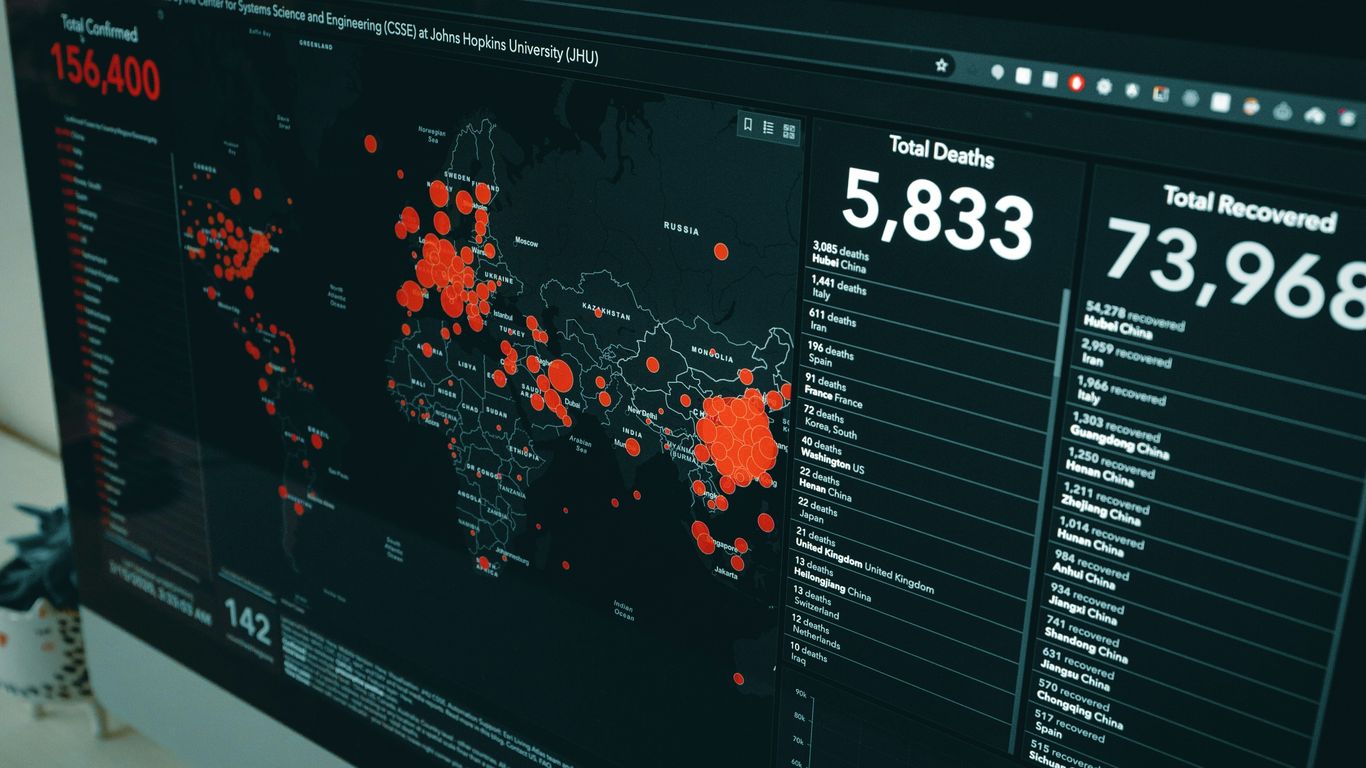
Behavior analytics in security brings new ways to spot risky actions, but it’s not without its headaches. Teams often wrestle with alert overload, privacy hurdles, and the need to keep tools sharp as threats change. Getting the most out of behavior analytics means recognizing common snags and adopting clear, proven practices.
Managing False Positives and Alert Fatigue
Behavior analytics tools watch for anything out of the ordinary. Sometimes, they flag stuff that isn’t actually a problem. Too many alerts can swamp analysts, making it easy to miss real attacks hidden in the noise.
- Tune detection thresholds to match your unique environment.
- Periodically review and update rule sets as business operations shift.
- Prioritize alerts by risk score, pattern repetition, or attack context.
| Challenge | Impact | Solution Examples |
|---|---|---|
| Excessive false alarms | Missed real incidents | Rule tuning, feedback loop |
| Analyst overload | Slower response times | Alert prioritization |
| Blind spots | Undetected threats | Regular tool review |
Finding the balance between sensitivity and precision is a constant process, not a one-time fix.
Ensuring Data Privacy and Ethical Considerations
Collecting and examining user actions can cross boundaries if not handled carefully. Privacy rules and ethical guidelines must be part of every behavior analytics rollout.
- Mask or tokenize both personal and sensitive data wherever possible.
- Limit access to raw behavioral records to only those who truly need it.
- Align monitoring with corporate policies and applicable privacy laws.
- Clearly inform users about what’s monitored and why.
Data must be kept safe throughout its lifecycle. Effective controls—like those described in security data management insights—help safeguard information and avoid regulatory trouble.
Continuous Tuning and Model Refinement
Attackers change their tactics. What looked strange last month might be typical now, and new threats appear out of nowhere. Machine learning models and analytic rules need fresh data and regular checks to keep pace.
Steps for ongoing improvement:
- Collect feedback from security analysts after incident reviews.
- Use recent threat intelligence to update behavior models.
- Apply test scenarios to ensure models still catch meaningful anomalies.
- Monitor detection rates and adjust for blind spots or noisy patterns.
Keeping behavior analytics tuned is just part of the daily security grind, but it’s what separates a static, frustrating tool from one that’s truly useful.
By recognizing these hurdles and weaving best practices into daily routines, organizations can make the most of behavior analytics, staying ahead of attackers while respecting the needs of users and regulators alike.
The Future of Behavior Analytics in Cybersecurity
The landscape of cybersecurity is always shifting, and behavior analytics is right there with it, adapting and evolving. We’re seeing a big push towards more sophisticated ways to spot trouble before it really gets going. One of the main things is how attackers are getting smarter, using AI themselves to make their attacks look more convincing. Think AI-generated phishing emails that are almost impossible to spot, or deepfake videos used for social engineering. This means our own defenses need to get smarter too.
AI-Driven Attack Sophistication
Attackers are no longer just using simple scripts. They’re employing artificial intelligence to automate and refine their methods. This includes creating highly personalized phishing campaigns that mimic legitimate communications with uncanny accuracy, and using AI to discover and exploit zero-day vulnerabilities faster than ever before. The sheer volume and sophistication of AI-powered attacks mean that traditional, signature-based detection methods are becoming less effective on their own. We need systems that can understand context and intent, not just known bad patterns.
Advancements in Real-Time Detection
Because attacks are happening faster, our ability to detect them needs to keep pace. The future is all about real-time analysis. This means processing vast amounts of data from various sources – network traffic, endpoint activity, user logins, application usage – and analyzing it for anomalies as it happens. The goal is to identify suspicious behavior the moment it occurs, not hours or days later. This requires significant advancements in processing power, data correlation, and machine learning algorithms that can make split-second decisions.
The Evolving Threat Landscape
What attackers target and how they do it is constantly changing. We’re seeing a rise in supply chain attacks, where a vulnerability in one trusted vendor can compromise many organizations. The expansion of the Internet of Things (IoT) also presents new challenges, as these devices often have weaker security and can serve as entry points. Furthermore, the increasing reliance on cloud services and remote work environments creates new attack surfaces that behavior analytics must monitor. Staying ahead means continuously updating our understanding of these evolving threats and adapting our analytical models accordingly.
Here’s a look at some key areas driving this evolution:
- AI and Machine Learning Integration: Expect more advanced AI models that can learn and adapt to new threats without constant manual retraining. This includes unsupervised learning techniques to spot entirely novel attack patterns.
- Contextual Awareness: Future systems will go beyond simple anomaly detection to understand the context of an action. For example, a user accessing a sensitive file at 3 AM might be normal for a system administrator but highly suspicious for a marketing intern.
- Predictive Analytics: Moving from just detecting current threats to predicting future ones based on observed trends and attacker methodologies.
- Automated Response: Tying behavior analytics directly into automated response systems to contain threats immediately, minimizing damage.
The continuous arms race between attackers and defenders means that behavior analytics will remain a critical component of any robust cybersecurity strategy. Its ability to adapt and identify novel threats makes it indispensable in a world where attack methods are constantly changing.
Conclusion
Behavior analytics has changed the way organizations look at security. Instead of only relying on known attack patterns or signatures, security teams now watch for unusual actions and habits. This helps them spot threats that might slip past older tools. But it’s not just about the technology—people play a big part too. Training, clear policies, and a culture of reporting make a difference. As attackers get smarter and use things like AI, defenders need to keep learning and adjusting. No system is perfect, but by combining behavior analytics with strong processes and regular reviews, companies can catch more threats and respond faster. In the end, it’s about staying alert and making security a regular part of how everyone works.
Frequently Asked Questions
What is behavior analytics in security, and why is it important?
Behavior analytics in security is like being a detective for computer systems. Instead of just looking for known bad guys (like signature-based methods do), it watches how users and devices normally act. If something unusual happens, like a user suddenly accessing files they never touch or a computer trying to talk to a strange server, it flags it as suspicious. This helps catch new or sneaky threats that traditional methods might miss, keeping your digital stuff safer.
How does behavior analytics learn what’s ‘normal’?
Imagine you’re learning the daily routine of your classmates. Behavior analytics does something similar for computers and users. It watches what they do over time – what programs they use, when they log in, what files they access. By collecting all this information, it builds a picture of normal activity, like a baseline. Then, when something pops up that doesn’t fit this usual pattern, it raises a red flag.
What’s the difference between behavior analytics and just using antivirus software?
Think of antivirus software like having a list of known criminals. It’s great at catching them if they show up. Behavior analytics, on the other hand, is like a security guard who notices someone acting suspiciously, even if they aren’t on a known criminal list. It looks for unusual actions, not just known bad files. This helps catch new types of attacks that haven’t been seen before.
What is UEBA, and how does it help with security?
UEBA stands for User and Entity Behavior Analytics. ‘Entity’ just means things like computers or servers. UEBA focuses specifically on watching what users and these entities do. It’s really good at spotting when an account might have been taken over by a hacker, or if someone inside the company is doing something they shouldn’t, like trying to steal information or access things they aren’t allowed to.
Can behavior analytics help protect against insider threats?
Absolutely! Sometimes, the biggest risks come from people already inside the company. UEBA is fantastic for this because it can spot unusual behavior from employees, like suddenly downloading large amounts of data or accessing sensitive files outside of normal working hours. It helps security teams identify potential problems before they cause major damage.
How does behavior analytics work on networks?
When it comes to networks, behavior analytics watches the ‘conversations’ happening between computers. It looks at how much data is being sent, where it’s going, and what kind of information is being shared. If a computer suddenly starts sending a lot of data to an unknown place, or if it seems to be jumping from one part of the network to another in a strange way, that’s a sign something might be wrong, like an attacker trying to move around undetected.
What are the main challenges when using behavior analytics?
One big challenge is dealing with ‘false positives’ – that’s when the system flags something as suspicious, but it turns out to be perfectly normal. This can create a lot of noise and make security teams overwhelmed. It takes time and effort to fine-tune the systems so they accurately spot real threats without crying wolf too often. Also, making sure we protect people’s privacy while collecting data is super important.
How is behavior analytics changing cybersecurity in the future?
The bad guys are getting smarter, using things like artificial intelligence to make their attacks harder to spot. Behavior analytics is fighting back by using even more advanced AI and machine learning to detect these sophisticated attacks in real-time. It’s becoming a crucial part of staying ahead, helping us understand and defend against threats as they constantly evolve.