
Key Takeaways
Understanding the security posture of virtual replicas is critical as organizations increasingly rely on complex modeling to optimize operations. Digital twin infrastructure attacks represent a sophisticated evolution of cyber threats targeting the bridge between physical assets and their virtual counterparts.
- Data pipelines are prime targets for telemetry injection and unauthorized access to high-fidelity operational records.
- Physical sensors and actuators in the IoT edge are vulnerable to spoofing and command manipulation, bridging the gap between cyber and kinetic impact.
- AI-driven simulation models face risks from adversarial inputs that can distort predictions and lead to faulty real-world decision-making.
- Supply chain dependencies and third-party integrations create cascading vulnerabilities that are difficult to track without rigorous vetting.
- Identity-centric security is essential, as account takeovers can grant attackers deep, persistent control over critical infrastructure models.
Vulnerabilities in the digital twin data pipeline
Modern infrastructure relies on the seamless flow of telemetry to maintain accurate virtual replicas. When this data stream becomes compromised, the entire digital twin loses its validity and trustworthiness. At Switch Defense, we emphasize that securing the pathways where environment data meets the simulation engine is the first step in effective risk management.
Injection attacks targeting telemetry streams
Attackers may attempt to inject falsified telemetry data into the ingestion pipeline, causing the twin to display an inaccurate state. By tricking the model with noise or malicious patterns, they manipulate the simulated environment’s behavior, potentially driving incorrect automated responses.
Data tampering during storage and transmission
Sensitive performance and structural data must remain immutable from the sensor to the database. Without robust encryption and integrity checks, an adversary might alter historical records to hide anomalous behavior or to train ML models on tainted evidence. This risk is particularly high when data traverses unencrypted internal networks.
Insecure APIs in twin integration layers
Integration layers act as the glue for disparate systems in digital twin cybersecurity architectures. Unfortunately, exposed or improperly secured APIs serve as common entry points for attackers. They might bypass authentication entirely, resulting in unauthorized command injection or raw data access that compromises the integrity of the whole system.
Unauthorized access to historical performance logs
Historical logs contain sensitive diagnostic information that reveals the specific vulnerabilities of physical assets. An attacker gaining access to these dossiers can conduct reconnaissance on machinery and processes, identifying optimal windows for digital twin infrastructure attacks that maximize operational harm.
Threats to sensor and actuator infrastructure
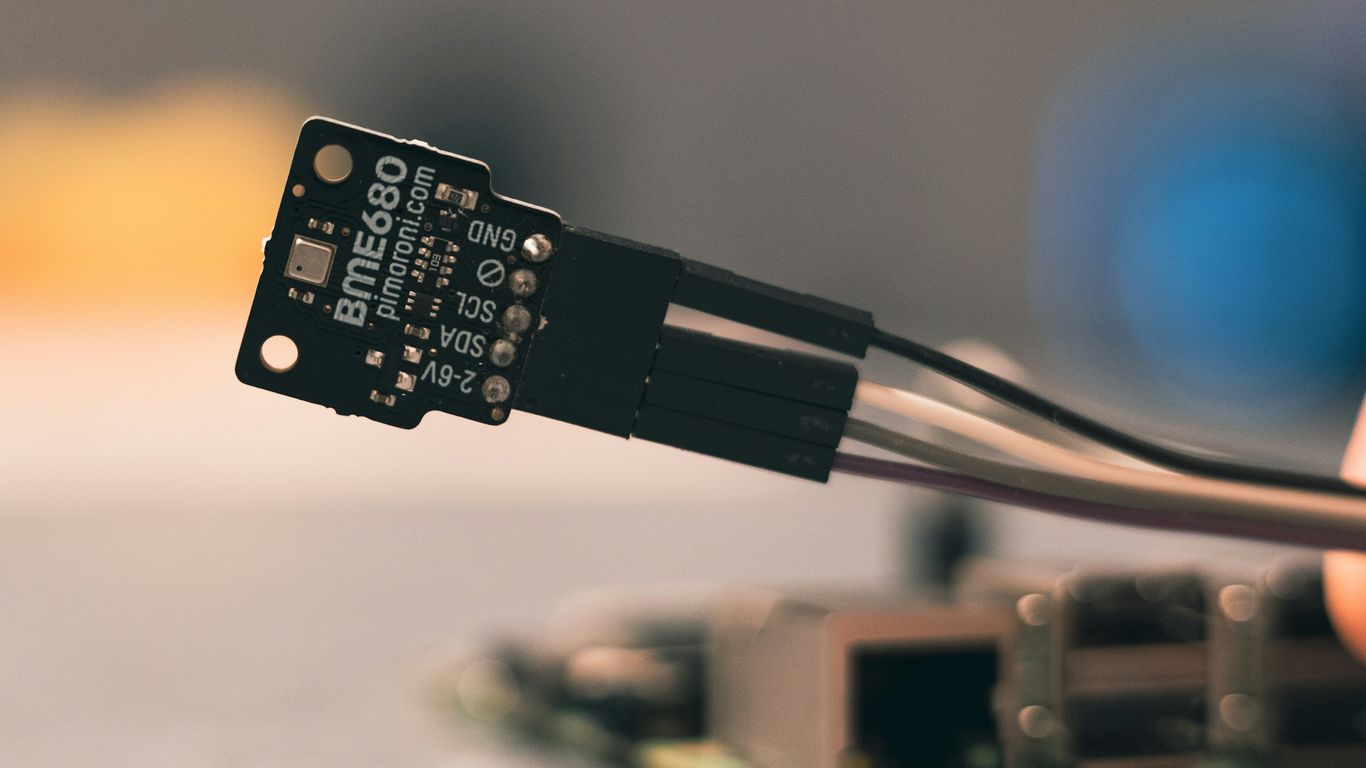
The physical-to-digital convergence relies on a web of sensors providing the reality that a digital twin mirrors. These devices are often deployed in environments with limited physical protection, making them susceptible to manipulation that directly translates into real-world, kinetic consequences.
Spoofing physical sensor data inputs
Sensors often lack cryptographic validation, allowing an attacker to present spoofed inputs such as false temperature, pressure, or vibration readings. This forces the digital twin to interpret a healthy system as failing, or conversely, to ignore genuine critical errors in the physical asset.
Man-in-the-middle attacks on operational technology systems
Positioning an interceptor between the sensor and the processing logic allows for real-time traffic alteration. Our education at Switch Defense highlights that such attacks on operational technology exploit the inherent trust placed in local, legacy communication protocols.
Unauthorized command injection to physical actuators
If the twin integration allows two-way communication, an attacker might send malicious control signals to physical actuators. By hijacking the return path, they can force pumps, valves, or robotic arms into dangerous configurations, bypassing safety interlocks that the simulated twin does not fully replicate.
Exploitation of unpatched firmware in internet of things edge devices
IoT edge components frequently suffer from extended lifecycles and infrequent patching. An attacker leveraging known firmware vulnerabilities gains a persistent foothold in the sensor network, effectively turning the eyes and ears of the twin against the organization itself.
Manipulation of simulation models and AI integrity

Simulations are increasingly powered by AI models designed to parse complex relationships and predict future states. When these models are skewed through manipulation, their outcomes shift from being insights to becoming vectors for significant operational disruption.
Adversarial machine learning attacks on twin predictions
By carefully crafting adversarial inputs, an attacker can influence the neural networks driving the simulation. This forces the model to ignore genuine risks or prioritize faulty pathways, which Switch Defense experts identify as a critical modern threat to resilient infrastructure.
Logic bombs embedded in simulation software
Malicious code segments planted within simulation engines can remain dormant for years. They are programmed to trigger at specific intervals or following particular simulation outcomes—such as causing a catastrophic system shutdown when specific environmental thresholds are met.
Corruption of training datasets for virtual replicas
If the training data for digital replicas is tainted, the resulting model will inherit those biases and inaccuracies. We recommend that organizations carefully consider supply chain compliance to ensure their training data remains pure, as corrupted data effectively blinds the entire simulation project.
Unauthorized parameter calibration by malicious insiders
Insiders with administrative access to the model can subtly alter operating parameters, such as the efficiency coefficient of a turbine or the tolerance levels for a chemical mix. These changes appear small individually but accumulate into substantial, hard-to-detect operational degradation over time.
Supply chain and third-party integration risks
Securing the digital twin requires looking beyond the firewall to the entire ecosystem of vendors and software providers. Trusting these external partners without a clear strategy for vetting often places organizations in a position of vulnerability.
Compromise of third-party software libraries and dependencies
Modern simulation tools rely on numerous open-source libraries that provide specialized functionality. If one of these dependencies is compromised, the vulnerability is pulled directly into the digital twin framework, potentially opening backdoors long before the primary developer even spots the issue.
Vulnerabilities in cloud-based digital twin hosting platforms
Cloud infrastructure introduces shared responsibility models where misconfiguration is the single greatest risk. Improperly secured storage buckets or public-facing management interfaces can leak the massive datasets required to feed the twin, putting sensitive intellectual property at risk.
We provide a look at how to secure these environments by categorized risk in the table below:
| Vendor Risk Vector | Impact Type | Security Control |
| :— | :— | :— |n| API Exposure | Data Leakage | Rate Limiting |
| Unpatched Libs | System Access | Version Tracking |
| Access Creep | Lateral Movement | Just-in-Time Access |
Lateral movement paths through trusted vendor integrations
Integration links create high-trust bridges between different systems. A compromise at the vendor level allows for lateral movement, where an attacker skips the perimeter defenses entirely by moving along the authenticated pathways that link the twin to its hosting platform.
Lack of security vetting for vendor-supplied digital twin components
Many organizations focus on the outcome of the simulation rather than the integrity of the components creating it. Using third-party software without rigorous security audits leaves the door open to threats that could compromise both the digital replica and the underlying physical systems it manages.
Identity and access control in digital twin ecosystems
Identity management sits at the center of modern cybersecurity, yet many twin projects suffer from fragmented or legacy access structures. Controlling who can access the console is the primary defense against sophisticated digital twin infrastructure attacks.
Credential theft and account takeover of twin operators
The individuals managing the twin are high-value targets. Once an operator’s credentials are stolen, the attacker assumes a position of legitimate control, allowing them to adjust simulation parameters or export sensitive site data without triggering traditional security alarms.
Privilege escalation within highly interconnected environments
In complex twin ecosystems, a user might hold elevated permissions across multiple interconnected layers. When identity controls are poorly scoped, an attacker can leverage a low-level breach to escalate into a privileged account, gaining full oversight of the entire simulation.
Misconfigured access controls in shadow IT digital twin projects
Often, teams spin up unofficial twin prototypes to test concepts without consulting security benchmarks. These projects operate outside the purview of the main IT security team, creating unmonitored "shadow" environments where access is frequently misconfigured and credentials are shared or hardcoded.
Insufficient multi-factor authentication for remote system access
Remote accessibility is a requirement for distributed teams, but it must be backed by layered identity verification. Without mandatory multi-factor authentication, it is trivial for attackers to reuse stolen passwords or intercept temporary tokens to access critical infrastructure consoles from anywhere in the world.
Here are a few steps organizations should take to harden these access points:
- Enforce phishing-resistant multi-factor authentication across every portal.
- Implement a strict policy of least privilege, ensuring operators only see the project modules they require.
- Audit all active sessions to monitor for unusual behavior patterns that indicate a potential takeover.
- Rotate credentials for automated systems on a frequent, non-predictable schedule.
Conclusion
Protecting digital twin infrastructure requires a shift toward an identity-centric, proactive approach that accounts for the unique risks of physical-cyber integration. By securing data pipelines, verifying sensor inputs, and rigorously vetting third-party integrations, organizations can maintain the integrity of their models and ensure their virtual replicas continue to serve as safe, powerful tools for operational decision-making.
Frequently Asked Questions
Are digital twins inherently more vulnerable than static systems?
Digital twins are not necessarily more vulnerable based on their architecture alone, but the real-time, two-way flow of data to physical assets significantly expands the attack surface compared to static models. This connectivity requires additional layers of verification and monitoring to manage incoming data streams and outgoing control commands safely.
How can a sensor spoofing attack impact the physical asset?
When a digital twin operates in a closed-loop control system, it automatically reacts to input data by executing commands on the physical hardware. If the input data is manipulated via spoofing, the model will execute incorrect or even harmful commands on that physical hardware, creating direct real-world effects.
Why is the digital twin supply chain a major security concern?
Simulation frameworks are complex configurations of third-party libraries, specialized hosting platforms, and proprietary software integrations. This interdependency means the security of the twin is only as strong as its weakest component, as a single compromised third-party dependency can allow unauthorized actors to enter the entire ecosystem.
Can artificial intelligence be tricked by digital twin data?
Yes, AI models powering simulations are subject to adversarial machine learning, where specifically crafted inputs are designed to force the model into making incorrect predictions. These manipulations exploit how the AI interprets incoming data, leading to skewed simulation environments that no longer align with physical reality.
What does an account takeover look like in a digital twin environment?
An account takeover often appears as a series of legitimate but anomalous actions performed by an authorized user, such as exporting large datasets at unusual hours or making unauthorized modifications to simulation parameters. Attackers typically use these compromised sessions to maintain a low-profile presence while gathering intelligence or planning to disrupt critical systems.
How do shadow IT projects create risks for digital twins?
Shadow IT projects typically lack the oversight and standardized security controls applied to enterprise systems, such as consistent patch management or integrated identity management. These projects function as blind spots, providing easy targets for attackers who exploit these unmanaged systems to move laterally toward more sensitive infrastructure.
What is the first priority when securing a new digital twin project?
Security must be an integral part of the project design, beginning with a thorough threat model that defines data boundaries and access requirements from the start. Prioritizing identity verification and clear segmentation between the simulation model and other production systems is the essential first step in ensuring long-term resilience.