
Keeping your data safe is a big deal these days. With so much information flying around, it’s easy to feel overwhelmed by all the ways it could go wrong. This article is about how to protect that data, especially when you’re dealing with sensitive stuff. We’ll look at different ways to keep things private and secure, from the basics to some more involved methods. Think of it as a guide to making sure your information stays where it belongs.
Key Takeaways
- Understanding data anonymization techniques privacy is key to protecting sensitive information.
- Basic security measures like encryption and access controls are the first line of defense.
- Advanced methods such as masking, generalization, and differential privacy offer more robust protection.
- Securing data both when it’s being moved and when it’s stored is vital.
- Staying aware of common threats and implementing strong governance helps maintain privacy.
Understanding Data Anonymization Techniques for Privacy
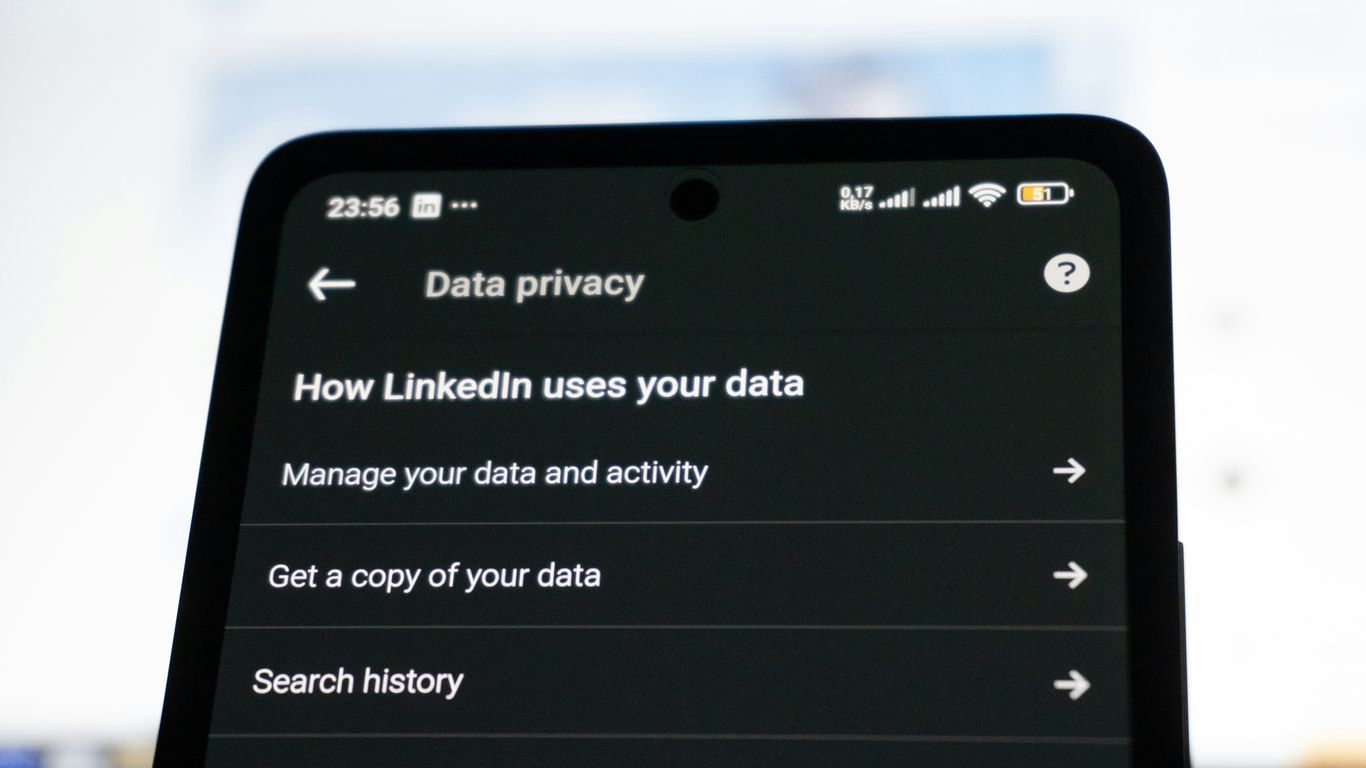
The Importance of Data Anonymization
In today’s world, data is everywhere, and organizations collect vast amounts of it. While this data can be incredibly useful for improving services, understanding trends, and making better decisions, it also comes with a big responsibility: protecting people’s privacy. That’s where data anonymization comes in. It’s not just a nice-to-have; it’s becoming a necessity. When we talk about anonymization, we’re essentially talking about removing or altering personally identifiable information (PII) so that individuals can’t be identified from the data. This process is key to using data ethically and legally, especially with stricter privacy laws popping up everywhere.
Think about it: you might want to share customer feedback data to improve a product, but you can’t just hand over names and addresses. Anonymization lets you strip out that sensitive stuff, making the data safe for analysis or sharing. It’s a balancing act, really, trying to keep the data useful while making sure no one can figure out who it belongs to. This is especially important when working with third parties or for research purposes.
Core Principles of Data Privacy
At its heart, data privacy is about giving individuals control over their personal information. There are a few main ideas that guide this:
- Purpose Limitation: Data should only be collected for specific, stated purposes and not used for anything else without consent.
- Data Minimization: Collect only the data you absolutely need. Don’t hoard information just in case.
- Transparency: People should know what data is being collected about them and why.
- Security: The data you do collect needs to be protected from unauthorized access or breaches.
- Individual Rights: People have rights regarding their data, like the right to access, correct, or delete it.
These principles aren’t just abstract ideas; they form the foundation for how organizations should handle personal data. Ignoring them can lead to serious trouble, not just legally but also in terms of losing customer trust. It’s about building a relationship with your users based on respect for their information.
Regulatory Landscape for Data Protection
The rules around data protection are getting tougher all over the globe. You’ve probably heard of GDPR in Europe, which sets a high bar for how personal data is handled. But it’s not just Europe. Many other regions and countries have their own versions, like the CCPA in California, which gives consumers more rights over their data. These regulations often dictate how data can be collected, processed, stored, and shared, and they usually have some pretty hefty penalties for non-compliance.
Here’s a quick look at some key regulations and what they generally require:
| Regulation/Area | Key Focus Areas |
|---|---|
| GDPR (EU) | Consent, data subject rights, breach notification |
| CCPA/CPRA (CA) | Consumer rights, data sale opt-out, transparency |
| HIPAA (US Health) | Protected health information (PHI) security & privacy |
| PCI DSS (Payment) | Cardholder data protection |
Staying on top of these rules is a big job. It means understanding what kind of data you have, where it’s stored, who has access to it, and how it’s being used. For many organizations, this involves a significant effort in mapping out their data flows and implementing controls to meet these requirements. It’s a continuous process, not a one-time fix, as regulations evolve and new threats emerge. Understanding these requirements is a first step toward effective data masking and other privacy measures.
Foundational Data Protection Mechanisms
Before we get into the really fancy stuff, it’s important to cover the basics. These are the building blocks for keeping your data safe. Think of them as the locks on your doors and windows before you even think about installing a complex alarm system.
Data Encryption Strategies
Encryption is like putting your data into a secret code that only authorized people with the right key can understand. It’s super important for keeping things private, whether that data is just sitting on a server (at rest) or moving across the internet (in transit). If someone manages to steal your data, but it’s encrypted, they won’t be able to read it without the key. This is a big deal for regulations like GDPR and HIPAA.
- AES (Advanced Encryption Standard): A common and strong standard for encrypting data.
- TLS (Transport Layer Security): Used to encrypt data moving between your computer and websites (like when you see
https://). - Key Management Systems: These are tools that help you manage those secret keys securely. Losing your keys means losing access to your data, so this part is pretty critical.
Proper encryption means that even if a breach occurs, the stolen information remains unreadable and useless to attackers. It’s a vital layer of defense.
Implementing Data Loss Prevention
Data Loss Prevention, or DLP, is all about stopping sensitive information from getting out when it shouldn’t. It’s not just about stopping hackers; it’s also about preventing accidental leaks or misuse by people who already have access. DLP systems watch where your data goes – on laptops, in emails, in cloud storage – and can block it if it violates your rules.
Here’s how it generally works:
- Identify Sensitive Data: You need to know what data is sensitive (like customer PII, financial records, or intellectual property).
- Set Policies: Define rules about where this data can be stored, who can access it, and how it can be shared.
- Monitor and Block: The DLP system watches data movement and enforces those policies, blocking unauthorized transfers.
This helps prevent things like an employee accidentally emailing a confidential report to the wrong person or someone intentionally trying to steal customer lists. You can find DLP solutions that work across endpoints, networks, and cloud platforms.
Identity and Access Management Controls
This is about making sure the right people have access to the right things, and only those things. It sounds simple, but it’s complex. Identity and Access Management (IAM) systems handle who you are (authentication) and what you’re allowed to do (authorization). This is where you’d implement things like role-based access control, making sure a marketing person can’t access HR records, for example. It’s a core part of effective data access management.
Key components include:
- Authentication: Verifying that a user is who they claim to be, often with passwords and multi-factor authentication.
- Authorization: Determining what actions an authenticated user is permitted to perform.
- Role-Based Access Control (RBAC): Assigning permissions based on a user’s role within the organization.
- Least Privilege: Granting users only the minimum permissions necessary to perform their job functions.
Getting IAM right is a huge step in preventing unauthorized access and reducing the risk of data breaches. It’s also a big part of automating data classification and applying the right controls.
Advanced Anonymization Techniques
While basic anonymization methods are useful, sometimes you need to get more sophisticated to protect sensitive data. This is where advanced techniques come into play. They offer stronger privacy guarantees, especially when dealing with complex datasets or when regulatory requirements are particularly strict.
Masking and Obfuscation Methods
Masking and obfuscation are about altering data so it’s no longer identifiable, but still usable for certain purposes, like testing or analytics. Think of it like putting a disguise on your data.
- Substitution: Replacing original data with fake but realistic-looking data. For example, swapping real customer names with generated ones.
- Shuffling: Rearranging data within a dataset so that records are no longer linked to their original subjects. This is good for maintaining statistical properties.
- Redaction: Removing specific pieces of information entirely. This is straightforward but can reduce data utility.
- Perturbation: Adding noise or altering values slightly to obscure the original data. This needs careful handling to avoid making the data useless.
The goal here is to make re-identification extremely difficult, if not impossible. It’s a balancing act between privacy and data utility.
Generalization and Suppression Techniques
These methods reduce the granularity of data to prevent identification. They’re often used when you need to share data more broadly but still want to protect individuals.
- Generalization: Making data less specific. For instance, instead of listing a person’s exact age, you might group ages into ranges (e.g., 20-29, 30-39). Similarly, precise locations can be generalized to broader regions.
- Suppression: Removing certain data points altogether. If a particular value is too unique and could lead to identification, it might be removed. For example, if there’s only one person in a dataset with a rare medical condition in a specific zip code, that record might be suppressed or generalized further.
These techniques are effective for preventing direct identification, but care must be taken to avoid indirect identification through combinations of generalized attributes.
Differential Privacy Approaches
Differential privacy is a more mathematically rigorous approach to anonymization. It provides a strong guarantee that the output of an analysis will not change significantly whether any single individual’s data is included or excluded from the dataset. This means an attacker looking at the results can’t confidently determine if your specific data was used.
Here’s a simplified breakdown:
- Add Noise: A carefully calibrated amount of random noise is added to the results of queries or analyses performed on the data.
- Privacy Budget: A parameter, often called a privacy budget (epsilon, ε), controls how much noise is added. A smaller epsilon means more noise and stronger privacy, but potentially less accurate results.
- Mathematical Guarantee: The process is designed so that the presence or absence of any single individual’s data has a mathematically bounded impact on the outcome.
Differential privacy is particularly useful for statistical analysis and machine learning, where the goal is to learn about a population without learning about specific individuals within it. It’s a powerful tool for privacy-preserving data sharing and research. Learn more about privacy.
Implementing differential privacy requires specialized knowledge and tools, but it offers a robust way to protect individual privacy while still extracting insights from data.
Securing Data in Transit and At Rest

Protecting your data means looking at it wherever it lives and wherever it’s going. Think about it like this: you wouldn’t leave your house unlocked with valuables in plain sight, right? The same idea applies to digital information. We need to make sure it’s locked down whether it’s sitting still on a server or moving across the internet.
Encryption for Data in Transit
When data travels from one point to another – say, from your computer to a website, or between servers – it’s vulnerable. Anyone snooping on the network could potentially see it. This is where encryption comes in. It scrambles the data using complex algorithms, making it unreadable to anyone without the correct key. The most common way this is done is through protocols like TLS (Transport Layer Security), which is what gives you that little padlock icon in your web browser. It’s pretty standard now for almost all web traffic, but it’s also used for email, file transfers, and pretty much any communication where privacy matters. Using strong, up-to-date encryption protocols is non-negotiable for keeping communications secure.
Encryption for Data at Rest
Data at rest refers to information stored on hard drives, databases, cloud storage, or any other storage medium. Even if someone gains physical access to a device or unauthorized access to a system, encryption can prevent them from reading the sensitive files. This can involve encrypting entire hard drives (full-disk encryption) or specific files and databases. It’s a critical layer of defense, especially for sensitive information like customer records or financial data. If a laptop gets stolen, for instance, full-disk encryption means the thief can’t access the data without the decryption key. This is a key part of data minimization efforts, as it reduces the risk associated with storing data.
Secure Key Management Practices
Encryption is only as good as the keys used to scramble and unscramble the data. If those keys are lost, stolen, or compromised, the encryption becomes useless. That’s why key management is so important. It involves securely generating, storing, distributing, rotating, and revoking encryption keys. This isn’t just a technical task; it requires strict policies and procedures. Imagine having a master key to your entire vault – you wouldn’t just leave it lying around. Key management systems (KMS) are often used to help automate and secure these processes, but they still need careful oversight. Without proper key management, even the strongest encryption can be undermined, leaving your data exposed.
Here’s a quick look at why key management matters:
- Key Generation: Keys must be truly random and strong.
- Secure Storage: Keys should be stored separately from the encrypted data, often in dedicated hardware security modules (HSMs) or secure cloud services.
- Access Control: Only authorized systems and personnel should have access to keys.
- Rotation: Keys should be changed regularly to limit the impact if a key is ever compromised.
- Revocation: Compromised or old keys must be promptly disabled.
Managing encryption keys effectively is a complex but vital part of any data security strategy. It requires a combination of robust technology and disciplined operational practices to prevent unauthorized access and maintain the integrity of encrypted information.
Mitigating Common Data Privacy Threats
Dealing with data privacy threats is a big part of keeping things secure. It’s not just about the fancy tech; it’s about understanding how bad actors try to get in and what they’re after. We’ve got a few main categories of problems to watch out for.
Addressing Insider Threats
Sometimes, the biggest risks come from within. An insider threat isn’t always malicious; it can be someone making a mistake. But yes, it can also be someone intentionally causing harm, like deleting data or stealing information out of spite or for financial gain. To combat this, we need a mix of things. Monitoring user activity is key, but so is making sure people only have access to what they absolutely need for their job – that’s the principle of least privilege. Segregating duties so one person can’t do too much on their own also helps. And when someone leaves the company, having solid exit procedures is important to shut down their access properly.
Preventing Account Takeover
Account takeover is a huge problem. It happens when someone gets hold of your login details, often through phishing or just using weak, reused passwords. Once they’re in, they can do a lot of damage, from stealing data to making fraudulent transactions. The most effective way to stop this is by using multi-factor authentication (MFA). It means even if someone steals your password, they still need a second factor, like a code from your phone, to get in. We also need to enforce strong password policies and encourage the use of password managers. It’s about making it really hard for attackers to guess or steal credentials. You can read more about identity and access management controls to get a better handle on this.
Combating Phishing and Social Engineering
Phishing and social engineering attacks prey on human psychology. They trick people into revealing sensitive information or clicking malicious links. Think of those emails that look like they’re from your bank, asking you to ‘verify’ your account details. Or even more advanced attacks like deepfakes, where someone’s voice or video is faked to impersonate a trusted person. The best defense here is education. People need to be trained to spot these scams. We also need technical controls, like email filtering and making sure websites use secure connections (HTTPS). It’s a constant battle because attackers keep finding new ways to trick us.
Here’s a quick look at some common threats and how we fight them:
| Threat Category | Common Tactics | Primary Defense Mechanisms |
|---|---|---|
| Insider Threats | Accidental exposure, intentional data theft | Access controls, monitoring, segregation of duties |
| Account Takeover | Weak passwords, credential stuffing, phishing | Multi-factor authentication (MFA), strong password policies |
| Phishing/Social Engineering | Deceptive emails, fake websites, impersonation | User education, email filtering, secure connections (TLS) |
It’s important to remember that no single solution is a silver bullet. A layered approach, combining technical safeguards with ongoing user awareness and robust policies, is the most reliable way to protect against these varied threats. Regularly assessing your risks, perhaps through a Data Protection Impact Assessment, can help identify specific vulnerabilities in your environment.
Implementing Zero Trust Security Models
Moving away from the old way of thinking about security, where we just built a strong wall around our network, is a big shift. The idea of a "trusted" internal network versus an "untrusted" external one just doesn’t hold up anymore. Zero Trust flips this by assuming no one and nothing is automatically safe, even if they’re already inside. Every single access request needs to be verified, every time. It’s like having a security guard at every single door inside your building, not just at the main entrance.
Principles of Zero Trust Architecture
The core idea behind Zero Trust is pretty straightforward: never trust, always verify. This means we need to be explicit about who and what gets access to what. It’s not about giving broad permissions and hoping for the best; it’s about granting the absolute minimum access needed for someone or something to do its job, and nothing more. This is often called the principle of least privilege. We also operate under the assumption that a breach could happen at any moment, so we design our systems to limit the damage if that happens.
Here are the main pillars:
- Verify Explicitly: Always authenticate and authorize based on all available data points, including user identity, location, device health, service or workload, and data classification.
- Use Least Privilege Access: Limit user access with Just-In-Time and Just-Enough-Access (JIT/JEA), risk-based adaptive policies, and data protection to secure both data and productivity.
- Assume Breach: Minimize the blast radius for breaches and prevent lateral movement by segmenting access by network, user, devices, and application awareness. Verify all sessions are encrypted end-to-end.
Role of Multi-Factor Authentication
When we talk about verifying explicitly, Multi-Factor Authentication (MFA) is a huge part of that. It’s not enough to just have a password anymore. Attackers are really good at stealing passwords, so MFA adds extra layers of security. This could be something you know (like a password), something you have (like a code from your phone), or something you are (like a fingerprint). Requiring at least two of these factors makes it much harder for someone to get into an account even if they manage to steal a password. It’s a foundational step for any modern security setup and a key component in building a Zero Trust environment. You can find more details on how to modernize security controls at [a93d].
Privileged Access Management Strategies
Beyond everyday user accounts, there are always accounts with elevated permissions – think administrator accounts. These accounts have a lot of power, and if they get compromised, the damage can be severe. Privileged Access Management (PAM) systems are designed to control and monitor these high-risk accounts. They help enforce least privilege for administrators, often by providing temporary access only when needed (just-in-time access) and logging everything they do. This significantly reduces the risk of privilege abuse or escalation. It’s a critical piece of the Zero Trust puzzle because it directly addresses one of the most common ways attackers move around a network after gaining initial access.
Implementing Zero Trust isn’t just a technical project; it’s a strategic shift in how we approach security. It requires continuous evaluation of trust and access, moving beyond static defenses to dynamic, context-aware controls. This approach is essential for protecting data in today’s complex and threat-filled digital landscape.
Adopting a Zero Trust model means rethinking how we grant access to everything. It’s about making sure that every user, every device, and every application is continuously checked. This is a big change from older security models, but it’s necessary to keep up with how threats are evolving. You can learn more about the core concepts of Zero Trust at [c99d].
Data Classification and Control Measures
Okay, so you’ve got all this data, right? And not all of it is created equal. Some of it is super sensitive, like customer social security numbers or proprietary company secrets, while other stuff is pretty much public knowledge. This is where data classification comes in. It’s basically sorting your data into different buckets based on how sensitive it is. Think of it like organizing your filing cabinet – you wouldn’t store your tax returns next to old flyers, would you?
Classifying Sensitive Information
This first step is really about understanding what you have. You need to figure out what data is important and what could cause problems if it got out. This usually involves looking at things like:
- Confidential: Information that, if disclosed, could cause significant harm to the organization or individuals. This includes things like financial records, trade secrets, and personal identifiable information (PII).
- Internal Use: Data that is not meant for public release but whose disclosure would likely cause limited damage. Think internal memos, employee directories, or non-public project details.
- Public: Information that is already available to the public or intended for public release. This could be marketing materials, press releases, or public website content.
Getting this right is pretty important because it sets the stage for everything else. Without knowing what’s sensitive, you can’t protect it properly. It’s the foundation for applying the right security controls. You can find more on this topic in resources about data integrity and protection.
Enforcing Access Restrictions
Once you know what data is what, you need to make sure only the right people can get to it. This is where access restrictions come into play. It’s all about the principle of least privilege – giving people only the access they absolutely need to do their jobs, and no more. If someone in accounting doesn’t need to see HR records, they shouldn’t have a way to access them, period. This involves setting up roles and permissions within your systems. It’s not just about who can see what, but also what they can do with it – can they read it, edit it, or delete it?
Implementing strict access controls is one of the most effective ways to prevent unauthorized data exposure. It requires careful planning and ongoing management to ensure policies remain relevant and enforced.
Data Labeling Systems
So, how do you actually do all this? Data labeling systems are a big help. These systems allow you to tag your data with its classification level. Imagine a digital sticker on every file or database entry saying ‘Confidential’ or ‘Internal Use’. This makes it easier for both people and automated tools to know how to handle the data. For example, a Data Loss Prevention (DLP) tool can be configured to automatically block any ‘Confidential’ data from being emailed outside the company. These labels are key for data security and making sure your controls are actually working as intended. It’s a practical way to operationalize your classification efforts.
Detection and Monitoring for Data Breaches
Keeping an eye on your systems for any signs of trouble is a big part of keeping data safe. It’s not just about putting up defenses; it’s also about knowing what’s happening inside your network and on your cloud services. When something goes wrong, the faster you spot it, the less damage it can do. This means having the right tools and processes in place to catch suspicious activity before it turns into a full-blown breach.
Identity-Based Detection Methods
This is all about watching how people and systems access your resources. Think about login attempts, where people are logging in from, and what times. If someone suddenly logs in from a country they’ve never been to, or tries to access things they normally wouldn’t, that’s a red flag. We look for things like too many failed login attempts, or someone suddenly trying to get administrator rights when they don’t need them. It’s like having a security guard who knows everyone’s usual routine and notices when someone’s acting out of the ordinary. Monitoring user behavior is key to spotting compromised accounts.
Cloud Security Monitoring
When you move to the cloud, your security needs to move with you. Cloud environments have their own unique ways of working, like how services are configured and how users interact with them. We need to watch for changes in settings that could accidentally expose data, or unusual activity in how cloud services are being used. Cloud logs give us a peek into what’s happening, helping us catch misconfigurations or misuse of cloud resources. It’s a different landscape than a traditional data center, so the monitoring needs to be tailored.
Anomaly-Based Detection Techniques
This approach is about establishing what’s normal for your systems and then flagging anything that deviates from that baseline. It’s not looking for specific known threats, but rather for unusual patterns. For example, if a server suddenly starts sending out a lot more data than usual, or if a user account that’s normally quiet suddenly becomes very active, that’s an anomaly. The tricky part is that sometimes normal activity can look like an anomaly, so these systems need careful tuning to avoid too many false alarms. It’s a powerful way to catch threats you might not even know exist yet. You can find more information on managing cross-border data transfers, which often involves robust monitoring, at cross-border data transfers.
Detecting breaches isn’t a one-time setup; it’s an ongoing process. It requires constant vigilance and the ability to adapt as threats evolve. The goal is to create a system that can identify potential issues early, allowing for a swift and effective response. This proactive stance significantly reduces the potential impact of security incidents and helps maintain trust with your users and stakeholders.
Governance and Compliance in Data Anonymization
Establishing Security Governance Frameworks
Setting up a solid security governance framework is like building the foundation for your entire data protection strategy. It’s not just about having the right tools; it’s about having clear rules, responsibilities, and a system for oversight. This framework helps make sure everyone knows what they’re supposed to do and how their actions fit into the bigger picture of keeping data safe and private. Without it, even the best anonymization techniques can fall apart because there’s no accountability.
Think of it this way: you need defined roles for who manages data, who approves anonymization processes, and who checks that everything is being done correctly. This structure helps align your technical efforts with what the business actually needs and what regulations require. It’s about making sure security isn’t an afterthought but a core part of how you operate. This involves creating clear policies that outline data classification, responsibilities, and the standards you’ll follow. Regular check-ins and audits are also key to spot any weak spots and make sure your labeling systems are actually working as intended. This is where you can really make sure your technical controls and human efforts are on the same page. Establishing a good governance structure is a big step towards effective data classification and control measures.
Meeting Compliance and Regulatory Requirements
Navigating the world of data protection laws and regulations can feel like a maze. Different regions and industries have their own specific rules about how personal data should be handled, anonymized, and protected. For instance, GDPR in Europe and HIPAA in the US have strict requirements that organizations must follow. Failing to comply can lead to hefty fines, legal trouble, and serious damage to your reputation. It’s not enough to just anonymize data; you have to do it in a way that meets these legal standards.
Here’s a quick look at some common areas regulations focus on:
- Data Minimization: Only collect and keep data that is absolutely necessary.
- Purpose Limitation: Use data only for the specific reasons it was collected.
- Security Safeguards: Implement appropriate technical and organizational measures to protect data.
- Individual Rights: Allow individuals to access, correct, or delete their data.
Staying on top of these requirements means keeping a close eye on evolving laws and making sure your anonymization practices are up to par. It often involves detailed documentation of your processes and regular audits to prove you’re meeting the standards. This is where understanding the regulatory landscape for data protection becomes really important.
Cyber Risk Quantification
Understanding the financial impact of potential data breaches or privacy violations is a big deal. Cyber risk quantification is all about putting a number on those risks. Instead of just saying ‘a breach would be bad,’ you try to estimate the probable financial cost. This helps in making smarter decisions about where to invest your security budget and what risks are worth taking versus those that need immediate attention.
It’s not always easy to put an exact figure on it, but even a good estimate can guide executive decisions and board-level oversight. It helps prioritize security efforts by showing which risks have the biggest potential financial fallout. This approach moves security from a purely technical concern to a business risk that can be managed and communicated effectively.
Secure Development and Application Practices
When we talk about building secure applications, it’s not just about adding security features at the end. It’s about baking security into the whole process, right from the start. Think of it like building a house – you wouldn’t just slap on a security system after the walls are up; you’d think about strong doors, good locks, and maybe even a safe room during the design phase. The same applies to software. We need to consider how sensitive data is handled, build in access controls from the ground up, and make sure different parts of the application, or the data they use, are kept separate. This approach, focusing on security boundaries within the application itself rather than just relying on network defenses, really helps prevent a lot of headaches down the line. It’s about making security a core part of how the application is designed and coded.
Secure Software Development Lifecycle
This means security isn’t an afterthought; it’s part of the plan from day one. We’re talking about integrating security checks and practices throughout the entire software creation process. This includes things like:
- Threat Modeling: Before you even write a line of code, you should be thinking about what could go wrong. What are the potential weak spots? Who might try to attack it, and how? This helps you design defenses proactively.
- Secure Coding Standards: Developers need clear guidelines on how to write code that avoids common pitfalls. This means things like properly validating all input, avoiding risky functions, and managing memory safely. It’s about writing code that’s inherently more resistant to attacks.
- Code Reviews and Testing: Having other developers or security specialists look over the code can catch mistakes. Automated tools can also scan code for known vulnerabilities. Regular testing, including security-focused tests, is key to finding and fixing issues before they get into production.
- Dependency Management: Modern applications often use lots of pre-built components or libraries. It’s important to keep track of these and make sure they’re up-to-date and don’t have known security holes. A vulnerability in a third-party library can be just as dangerous as one you wrote yourself.
The goal here is to ‘shift security left,’ meaning we address security concerns as early as possible in the development cycle. It’s far more efficient and effective to fix a vulnerability during coding than after the application is deployed and potentially already exposed.
Cryptography and Key Management Integration
When we use cryptography, like encryption, to protect data, it’s not just about picking an algorithm. The real challenge often lies in managing the keys. These keys are like the master keys to your data vault. If they fall into the wrong hands, the encryption is useless. So, we need robust systems for:
- Key Generation: Creating strong, random keys.
- Secure Storage: Keeping keys safe, often in specialized hardware security modules (HSMs) or secure key management services.
- Key Rotation: Regularly changing keys to limit the impact if a key is ever compromised.
- Access Control: Strictly controlling who or what can access the keys.
Without proper key management, even the strongest encryption can be undermined. It’s a critical piece of the puzzle for protecting data confidentiality and integrity. Learn about data encryption.
Cloud and Virtualization Security
Moving applications to the cloud or using virtual environments introduces new security considerations. While cloud providers offer a lot of security features, the responsibility is shared. We still need to secure our applications and data within those environments. This involves:
- Secure Configuration: Making sure cloud services and virtual machines are set up correctly from the start, avoiding common misconfigurations that attackers exploit.
- Isolation: Ensuring that different applications, virtual machines, or containers don’t have unintended access to each other’s data or resources.
- Monitoring: Keeping an eye on activity within the cloud environment to detect suspicious behavior or policy violations.
- Identity and Access Management: Properly managing who has access to cloud resources is paramount. This ties directly into identity and access management controls for cloud environments.
It’s about understanding the specific risks associated with these technologies and implementing controls to manage them effectively.
Wrapping Up Data Anonymization
So, we’ve gone through a lot about keeping data private. It’s not just about ticking boxes for rules like GDPR; it’s about being smart with information. Using methods like encryption and making sure only the right people can see things are key. It can seem like a lot, but when you break it down, it’s about building trust with your users and protecting your own business. The tech keeps changing, and so do the threats, so staying on top of anonymization practices is just part of doing business these days. It’s an ongoing effort, not a one-and-done thing.
Frequently Asked Questions
What is data anonymization and why is it important?
Data anonymization is like making personal information unidentifiable. It’s super important because it helps protect people’s privacy. Imagine a doctor’s office wanting to study diseases but not wanting to share who has which illness. Anonymization lets them study the patterns without knowing the specific patients.
How does data encryption help keep information safe?
Encryption is like scrambling a message so only someone with a secret code can unscramble it. If someone steals your data, they can’t read it without the code. This keeps your private stuff, like passwords or bank details, safe even if it falls into the wrong hands.
What’s the difference between masking and generalization in data anonymization?
Masking is like covering up parts of the data, maybe replacing names with ‘Person 1’ or ‘Person 2’. Generalization is like making the data less specific, for example, instead of saying someone is 32 years old, you might say they are in their 30s. Both help hide who the data belongs to.
What does ‘Zero Trust’ mean in cybersecurity?
Zero Trust is a security idea that says you shouldn’t automatically trust anyone or anything, even if they’re already inside your network. It’s like having a security guard check everyone’s ID every single time they enter a room, no matter how many times they’ve been in before. It means constantly checking who you are and if you should be allowed access.
How can Data Loss Prevention (DLP) stop sensitive information from getting out?
DLP tools are like watchful guardians for your data. They look for sensitive information, like credit card numbers or social security numbers, and stop it from being sent out in emails, copied to USB drives, or uploaded to unapproved websites. They help make sure private data stays private.
What are some common ways hackers try to steal information, and how can we stop them?
Hackers often use tricks like phishing, where they pretend to be someone trustworthy to get you to click a bad link or give up passwords. They also try to guess weak passwords or use stolen ones. To stop them, we need to be careful about suspicious emails, use strong, unique passwords, and enable multi-factor authentication whenever possible.
Why is it important to classify data before protecting it?
Classifying data means figuring out how sensitive it is – like knowing if it’s public information or a secret company plan. Once you know how sensitive it is, you can put the right locks and guards on it. You wouldn’t guard a diary like you guard a bank vault, right? Data classification helps you use your protection resources wisely.
What is ‘differential privacy’ and how does it make data more private?
Differential privacy is a fancy way to add a little bit of random noise to data before sharing it. This noise is so small it doesn’t really change the overall trends or patterns you can see in the data, but it makes it extremely hard to figure out if any specific person’s information is included. It’s like blurring the edges just enough to protect individuals while still allowing useful analysis.